
Last updated November 25, 2026
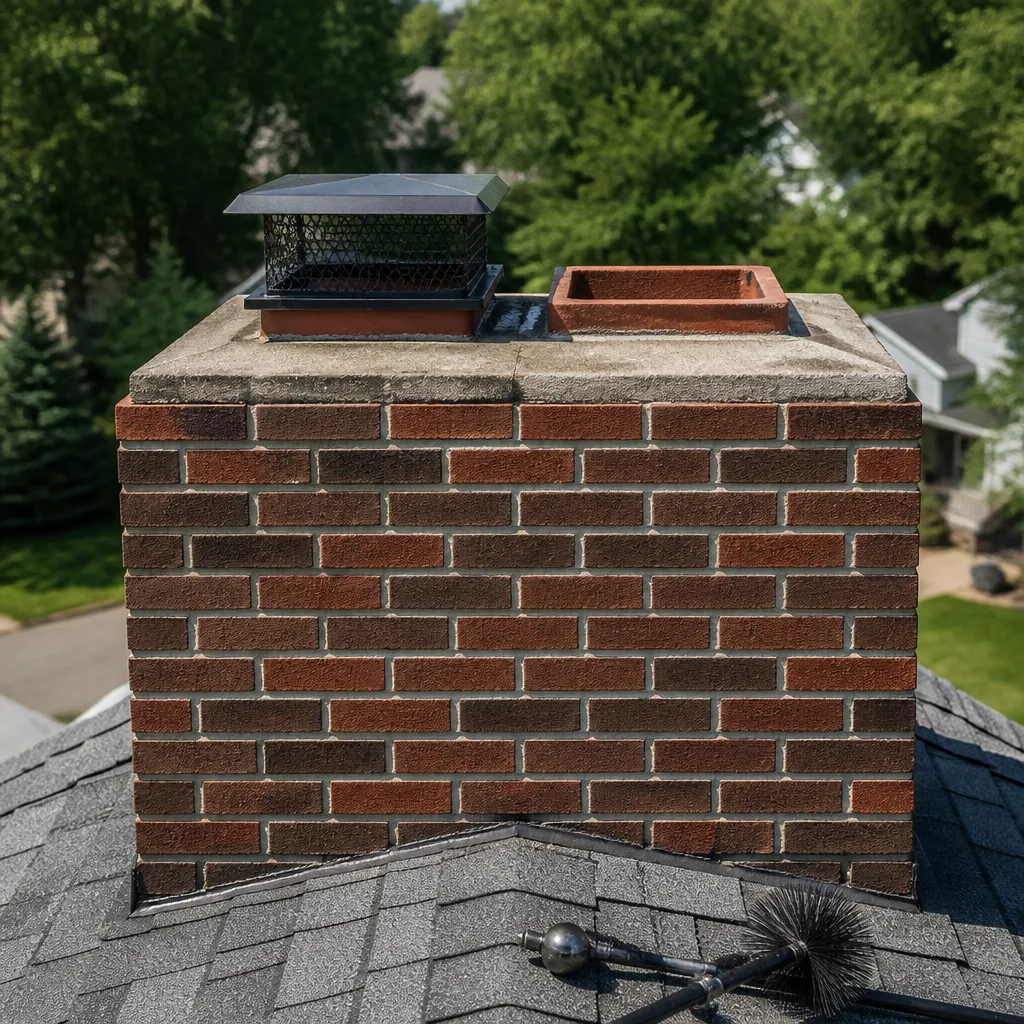 Sweep & inspection
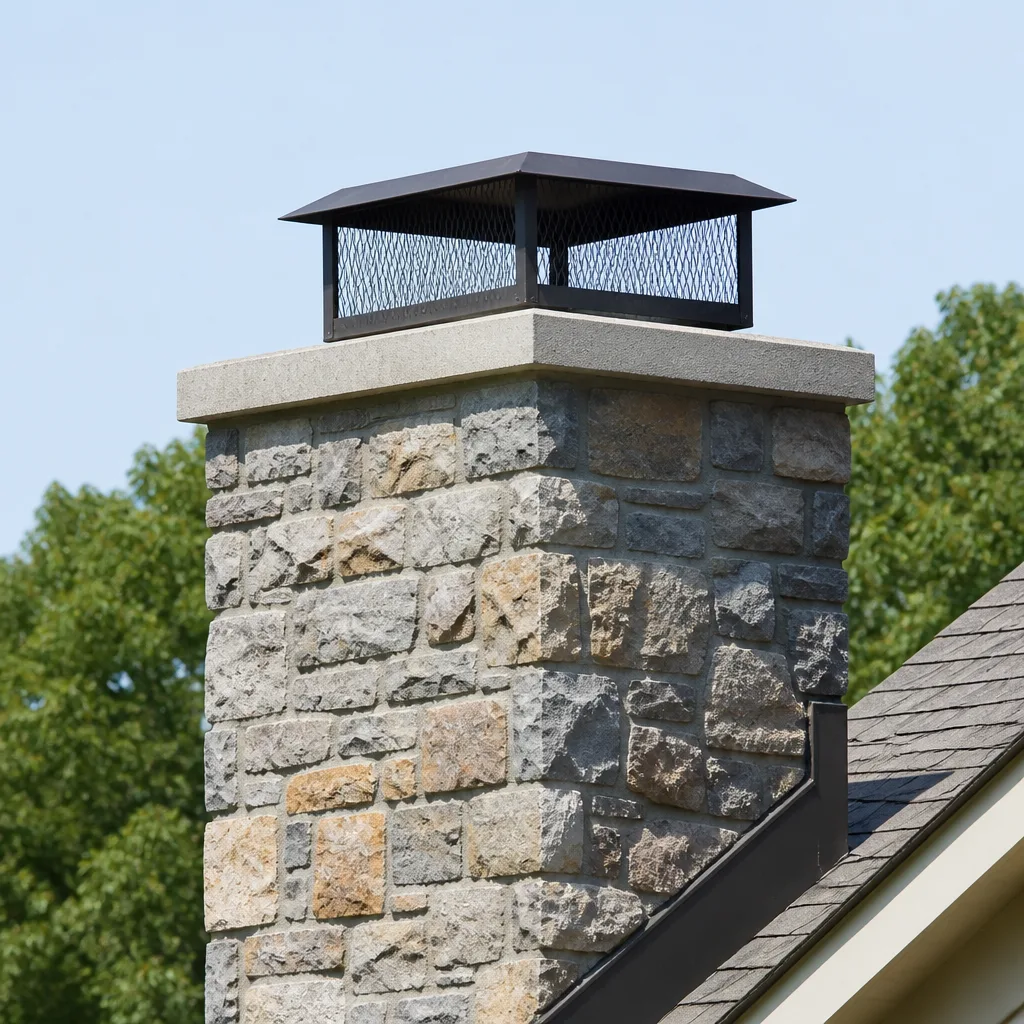 Caps & crowns
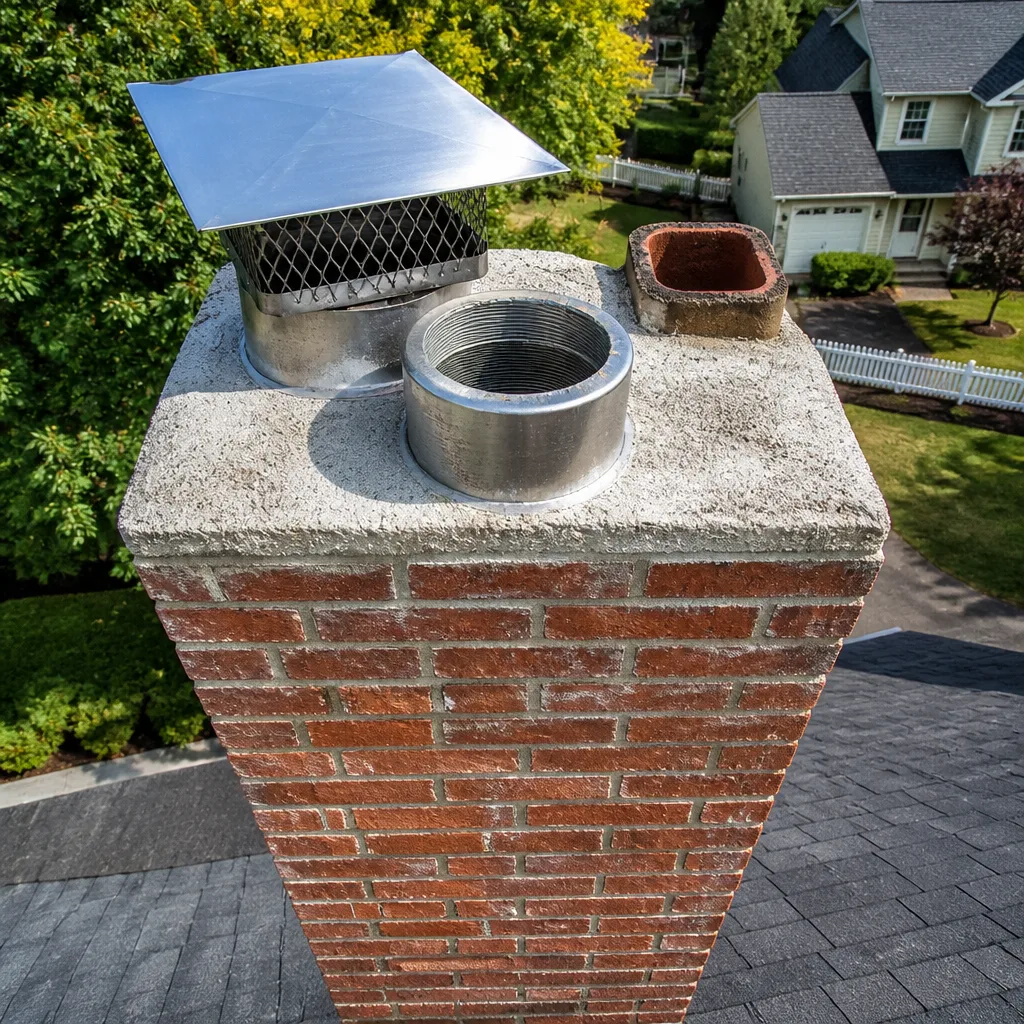 Flue relining
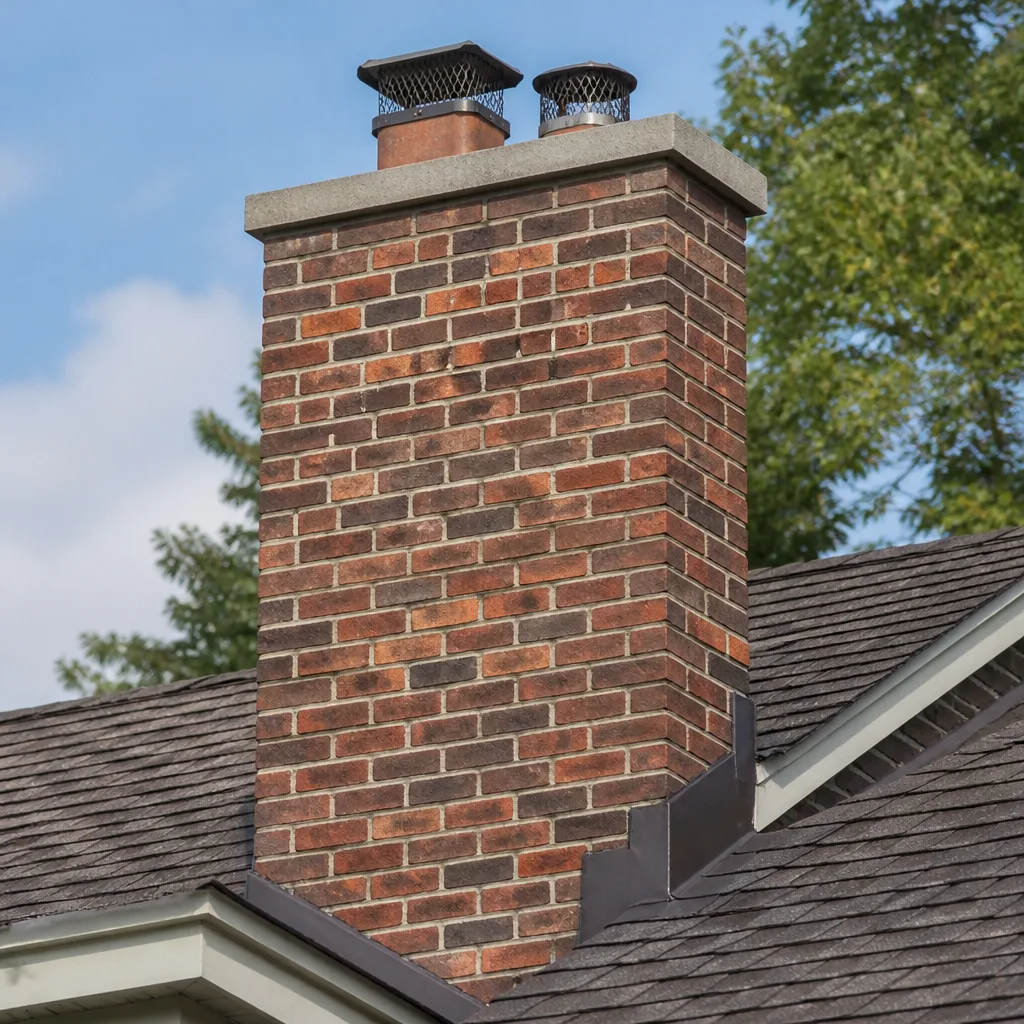 Masonry repair
 Gas fireplace service
Level 1 sweep and inspection to the NFPA 211 annual standard - flue, crown, cap, and flashing checked and photographed
Chimney sweep logs do not sweep chimneys. They loosen some creosote - which then falls where a brush and vacuum still have to collect it.
DIY vs Professional Chimney Cleaning: The Park Santiago Homeowner’s Decision Guide
Chimney cleaning rods and brushes are sold at every big-box hardware store, and they will remove surface deposits. What they won’t do is tell you that the terracotta liner section behind the smoke chamber has been cracked for two seasons. That gap between removing soot and understanding what the soot is hiding is the whole story here. This guide lays out exactly what DIY chimney brushing can accomplish, the three conditions that require professional equipment to detect, and the honest cost-benefit math for Park Santiago homeowners deciding which way to go.
Quick Answer
DIY chimney brushing removes loose soot and light creosote from the flue, but it cannot detect Stage 2 or Stage 3 glazed creosote, liner fractures, or smoke chamber deterioration. Those three conditions require professional camera inspection equipment and trained eyes, and they are where most chimney fires and carbon monoxide incidents actually originate. For most Park Santiago homeowners who use their fireplace regularly, a professional chimney sweep and inspection is the safer and often cheaper long-term choice.
Styles & brands we work with
- Sweep & inspection
- Caps & crowns
- Flue relining
- Masonry repair
- Gas fireplace service
Table of Contents
- What DIY Chimney Brushing Can Actually Accomplish
- What DIY Cannot Do: The Diagnostic Gap
- Three Conditions That Require Professional Equipment
- The Real Risks of Incomplete Cleaning
- The Equipment Reality: Why DIY Costs More Than You Think
- When DIY Chimney Cleaning Is Legitimately the Right Call
- Park Santiago-Specific Considerations
- A Step-by-Step Decision Framework
What DIY Chimney Brushing Can Actually Accomplish
A homeowner with a proper brush, rods, and a correctly sized flue can remove loose soot and light, flaky creosote from the accessible portion of a straight flue. That’s a real accomplishment, and we don’t want to talk anyone out of understanding their own chimney. But it’s important to be precise about what is actually happening during a sweep versus what is happening during an inspection, because those are two different tasks that get conflated constantly.
Sweeping is mechanical removal. A brush contacts the flue walls and knocks deposits loose so they can be collected. Inspection is diagnostic evaluation. It involves looking at the flue interior with a camera, checking the smoke chamber and shelf, examining the damper, confirming the liner integrity, checking the firebox and mortar joints, and evaluating the cap, crown, and flashing from the roof. A brush doesn’t do any of that.
Here’s what a homeowner can realistically do without professional help:
- Open the damper and confirm it moves freely and seats properly
- Remove and clean the fire grate and andirons
- Scoop out ash from the firebox once it has fully cooled
- Inspect the firebrick visually from inside the firebox for obvious cracks
- Confirm the cap is present and not visibly damaged from the ground
- Sweep the flue of a straight, simple chimney with appropriate rods and a correctly sized brush
What that list does not include is any form of evaluation of the flue interior above the firebox, the smoke chamber, the liner joints behind the damper assembly, or the crown and flashing on the roof. Those are the areas where problems actually develop. A homeowner can be thorough, careful, and correct in the mechanical removal of soot and still have no idea whether their chimney is safe to use. That’s the diagnostic gap, and in our experience in Park Santiago, it’s the single most common reason people call us after a season or two of doing it themselves.
For a fuller picture of what a professional sweep involves from start to finish, the Chimney Sweep Park Santiago page walks through the process step by step.
What DIY Cannot Do: The Diagnostic Gap
The DIY chimney cleaning debate is usually framed as a skill question: can a careful homeowner do as good a job as a professional? But skill was never the real dividing line. Diagnostic capability is. A homeowner with good equipment and steady hands can match a professional on soot removal. What they can’t match is the ability to look at the flue interior and correctly interpret what they’re seeing.
Here’s the technical difference. Professional chimney inspection uses a camera on a flexible rod that feeds the flue from top to bottom or bottom to top, feeding live video to a monitor the technician watches in real time. That camera reveals hairline fractures in terracotta tiles, gaps at liner joints, offset sections where the flue jogs around a structural element, and the condition of the smoke chamber shelf. Without a camera, you’re looking up a dark tube with a flashlight and hoping the angle catches whatever might be wrong. It rarely does.
Creosote staging is another diagnostic judgment a trained eye makes quickly and a homeowner usually cannot make at all. Creosote progresses in three recognized stages:
- Stage 1: Flaky, soot-like, easily brushed away
- Stage 2: Crusty and brittle, adheres to the flue walls, requires more aggressive removal tools
- Stage 3: Glazed, hardened, shiny, resembling tar, and highly combustible
From the firebox looking up, Stage 1 and Stage 3 can both look like “dark stuff on the flue walls.” The difference in fire risk between those two is enormous, and telling them apart requires seeing the flue interior clearly with proper lighting. We work on the whole chimney system, not just the flue, so we see this constantly: homeowners who have swept regularly and still developed significant glazed creosote because they couldn’t tell the stages apart from below.
For Park Santiago homes with older masonry chimneys, this gap matters more than in newer construction, because older flues are more likely to have chronic issues the homeowner has no way to spot without equipment. Our technicians have up to 8 years of experience reading exactly these conditions, and we’d rather you have that information than guess.
Three Conditions That Require Professional Equipment
Three specific chimney conditions are effectively undetectable without professional-grade equipment. Each of them is a leading contributor to chimney fires or carbon monoxide intrusion, and each of them can develop quietly in a chimney that has been “maintained” by DIY brushing.
1. Stage 2 and Stage 3 Glazed Creosote
Stage 3 creosote, the glazed and hardened variety, cannot be removed with a standard chimney brush. It requires specialized removal tools and, in some cases, chemical treatment followed by mechanical removal. More to the point, a homeowner usually can’t tell whether the deposits in their flue are Stage 1 or Stage 3 without a clear view of the interior. Glazed creosote is the fuel source in most severe chimney fires. A brush that skates over it removes nothing and might even polish it, which makes it harder to detect.
2. Liner Fractures
Terracotta flue tiles develop hairline cracks over years of heating and cooling, and those cracks are often invisible from the firebox. A camera reveals them clearly. Cracks in terracotta tiles allow heat and combustion gases to escape the flue and contact the surrounding masonry or wood framing, which is a direct fire and carbon monoxide pathway. A homeowner looking up a dark flue with a flashlight cannot see a hairline crack. A camera can.
3. Smoke Chamber Deterioration
The smoke chamber is the sloped area directly above the damper that funnels smoke into the flue. Its corbeled brick surface is rough by design, and over time it accumulates creosote in its crevices that brushes can’t reach. When the mortar joints in the smoke chamber deteriorate, smoke and gases can leak into the chimney structure. Camera inspection is the only realistic way to assess smoke chamber condition. This is also where a product like HeatShield ceramic resurfacing becomes relevant, because it can smooth and restore the chamber without demolition. Fireplace repair work of that kind starts with knowing what’s actually happening in that chamber, and that knowledge comes from the camera.
The Real Risks of Incomplete Cleaning
We’re not going to tell you that DIY chimney cleaning is inherently dangerous. That’s not accurate and it doesn’t help you make a decision. But incomplete cleaning has specific risks worth understanding clearly, because they’re not the ones people usually worry about.
The most common incomplete-cleaning problem is this: the homeowner brushes the flue, sees that the brush goes up and comes down, sees soot collected at the bottom, and concludes the chimney is now clean and safe. The flue may, in fact, be clean of the loose Stage 1 creosote. But the conditions that actually cause chimney fires, Stage 3 glazed creosote, liner fractures, and smoke chamber deterioration, are unaffected by that brush pass. And the homeowner has now gained a false sense of security that may delay them from seeking a real inspection for years.
The second risk is that soot and creosote dislodged during brushing can collect in places that weren’t cleaned afterward. The smoke shelf and the smoke chamber are frequent collection points. When the flue is used again, that displaced material can ignite. It’s not a dramatic scenario, but it’s a real one, and in our experience in Park Santiago it’s one of the reasons a chimney that was “just cleaned” can still produce a fire.
The third risk is carbon monoxide. A blocked or partially blocked flue will not always produce visible smoke in the room. It can push combustion gases back into the living space at concentrations you can’t see or smell. A CO alarm is a necessary backstop, but it’s not a substitute for inspection, because it only tells you when the problem is already present.
A professional inspection service that’s offered as a standalone option, not only as an add-on to a sweep, is the honest way to close that gap. You get a condition report you can act on or file away, and you decide what comes next.
The Equipment Reality: Why DIY Costs More Than You Think
The cost math of DIY chimney cleaning starts looking different once you price the equipment honestly. A basic brush and rod set is inexpensive. But a basic brush and rod set is not what most professional sweeps use, and it’s not what cleaning a chimney without covering the living room in soot requires.
Here’s the equipment list for a genuinely competent DIY sweep:
- Correctly sized polypropylene brush: one per flue size, because a brush that’s too small doesn’t contact the walls and a brush that’s too large jams
- Flexible rods: enough to reach the full flue length plus the cap
- HEPA vacuum with a chimney-specific hose: a proper HEPA vacuum rated for fine soot is the single largest equipment cost, and it typically costs more than a professional sweep visit
- Drop cloths and sealing materials: the flue needs to be sealed at the firebox or the soot will migrate
- Respirator: soot and creosote particulates require proper respiratory protection
- Roof access and safety equipment: if you’re cleaning from the top, that’s a ladder, roof harness, and the judgment to know whether your roof pitch is safe to stand on
Add it up for a single fireplace and the economics of one-time DIY cleaning rarely favor the homeowner. The math only changes if you’re cleaning multiple chimneys multiple times a year, or if you own the equipment for other uses. For the typical Park Santiago homeowner with one fireplace, the equipment cost alone makes professional sweeping the better value, and that’s before you account for the inspection, which no brush-on-a-rod can replace.
That inspection matters even more when a real repair is involved. Liner restoration with HeatShield or DuraFlex liner systems is a cost decision that a homeowner can’t responsibly make without knowing the actual condition of the flue. A standalone inspection is the honest starting point, and we price it that way.
When DIY Chimney Cleaning Is Legitimately the Right Call
There is a narrow, legitimate use case for DIY chimney cleaning, and we’d rather name it clearly than pretend it doesn’t exist. The homeowner for whom DIY makes sense has all of the following:
- A simple, straight flue with no offsets, no bends, and no unusual geometry
- A frequently used wood stove or fireplace where the creosote is regularly light and flaky (Stage 1), not crusty or glazed
- Proper equipment including a correctly sized brush, rods, a HEPA vacuum, respiratory protection, and appropriate roof or firebox sealing
- A recent professional inspection on record confirming the liner, smoke chamber, and crown are in good condition
- A genuine willingness to schedule a professional inspection at reasonable intervals and to stop DIY sweeping immediately if conditions change
Read that list again. Point four is the critical one, and it’s the one most DIY chimney cleaning discussions skip. Without a baseline professional inspection confirming the flue is sound, all subsequent DIY sweeping is being done blind. The homeowner has no verified starting point against which to notice change.
If you meet all five conditions, DIY chimney brushing is defensible. If you meet four of five, or if any of them is uncertain, the honest recommendation is to have a professional inspection first and decide from there. That inspection doesn’t obligate you to any further service, and you can sweep out the flue on your own afterward if the report is clean. Our standalone inspection option exists for exactly that reason: it gives a homeowner a truthful condition report before any commitment.
Park Santiago-Specific Considerations
Park Santiago’s older housing stock and its long, dry fire season shape this decision in a few specific ways worth naming.
First, the housing stock. Many Park Santiago homes with wood-burning fireplaces were built several decades ago, and their terracotta flue liners have been through many heating seasons. Terracotta is durable but not indestructible, and the joints between the tiles are the most vulnerable point. On an older chimney, a baseline camera inspection isn’t optional. It’s the only way to know whether the liner is intact before you build a cleaning routine around it. We see aging liners frequently in Park Santiago, and HeatShield ceramic resurfacing often restores them without the cost and disruption of a full liner replacement.
Second, the burn season. Southern California’s fireplaces tend to run more in late fall and winter, with the long warm months in between. That seasonal window means creosote builds up over the burn season and sits through the off-season. The best time to schedule a sweep and inspection is before the season starts, so any repair work identified has time to be done without pressure. If you burn steadily through the winter, a mid-season check is worth considering too.
Third, the woods. Local firewood choices matter to creosote development. Well-seasoned hardwoods produce less creosote than green or unseasoned wood, and burning unseasoned wood is one of the most common reasons Park Santiago flues develop crusty Stage 2 deposits faster than the homeowner expects. If you’ve been burning wood that hasn’t fully dried, that alone raises the case for a professional inspection rather than continuing to sweep it yourself.
The city’s fire code, like most in California, treats chimney maintenance as a homeowner responsibility, and most jurisdictions require a permit for structural chimney work like a full reline or rebuild. If an inspection reveals that kind of work is needed, ask your city’s building department about the permit before any contractor starts.
A Step-by-Step Decision Framework
Here’s a straightforward sequence for deciding between DIY and professional cleaning, based on your chimney’s actual condition rather than habit or price alone.
- Start with a professional inspection. Have the flue, smoke chamber, firebox, damper, cap, crown, and flashing evaluated with a camera. Ask to see the footage or photos. This is the baseline you’ll be comparing against.
- Read the condition report carefully. Look specifically at three things: creosote stage, liner integrity, and smoke chamber condition. If any of those three is compromised, professional cleaning and likely repair is the correct path.
- If the report is clean, decide whether DIY sweeping meets all five conditions above. If it does, you can reasonably sweep the flue yourself between inspections.
- Schedule follow-up inspections at appropriate intervals. The general industry guidance is once a year for a regularly used fireplace, more often if you burn heavily. An annual inspection keeps you ahead of liner and smoke chamber deterioration.
- Stop DIY sweeping immediately if anything changes. Visible smoke inside the room, a strong creosote odor that wasn’t there before, a CO alarm activation, a changed draft, or visible damage to the crown or cap all warrant a professional call before the next burn.
- Address structural issues with professional materials. If the report identifies a failing flue, ask specifically about HeatShield resurfacing and DuraFlex stainless liner systems. Both are professional-grade options, and DuraFlex in particular is a long-term solution for flue integrity that most homeowners don’t hear about because a general handyman can’t specify it.
This framework isn’t complicated. It gets complicated only when homeowners skip step one. If you handle step one honestly, the rest of the decision tends to make itself.
Common Mistakes to Avoid
- Treating sweeping as a substitute for inspection. A brush pass cleans the flue. It does not evaluate it. Skipping the inspection because you swept is the single most common mistake we see in Park Santiago.
- Using the wrong brush size. An undersized brush won’t contact the flue walls and removes very little. An oversized brush jams or damages the flue. Both problems are common in DIY sweeps.
- Cleaning without sealing the firebox opening. Soot migrates all over the living room when the flue isn’t sealed at the bottom. Professional equipment includes proper sealing for this reason.
- Skipping the HEPA vacuum. A shop vac will spread fine soot into the air rather than capturing it, and that’s a real indoor air quality problem in a Park Santiago home with the windows closed.
- Assuming “clean” means “safe.” A flue can be soot-free and still have a cracked liner or a degrading smoke chamber. Detecting those takes a camera, not a brush.
- Cleaning the flue but forgetting the smoke chamber, damper, and crown. These components matter as much as the flue itself, and none of them are addressed by running a brush up the flue.
- Cleaning from the roof without evaluating the roof’s safety. Roof pitch, roof condition, and weather all affect whether roof access is safe. When in doubt, clean from the firebox, not the roofline.
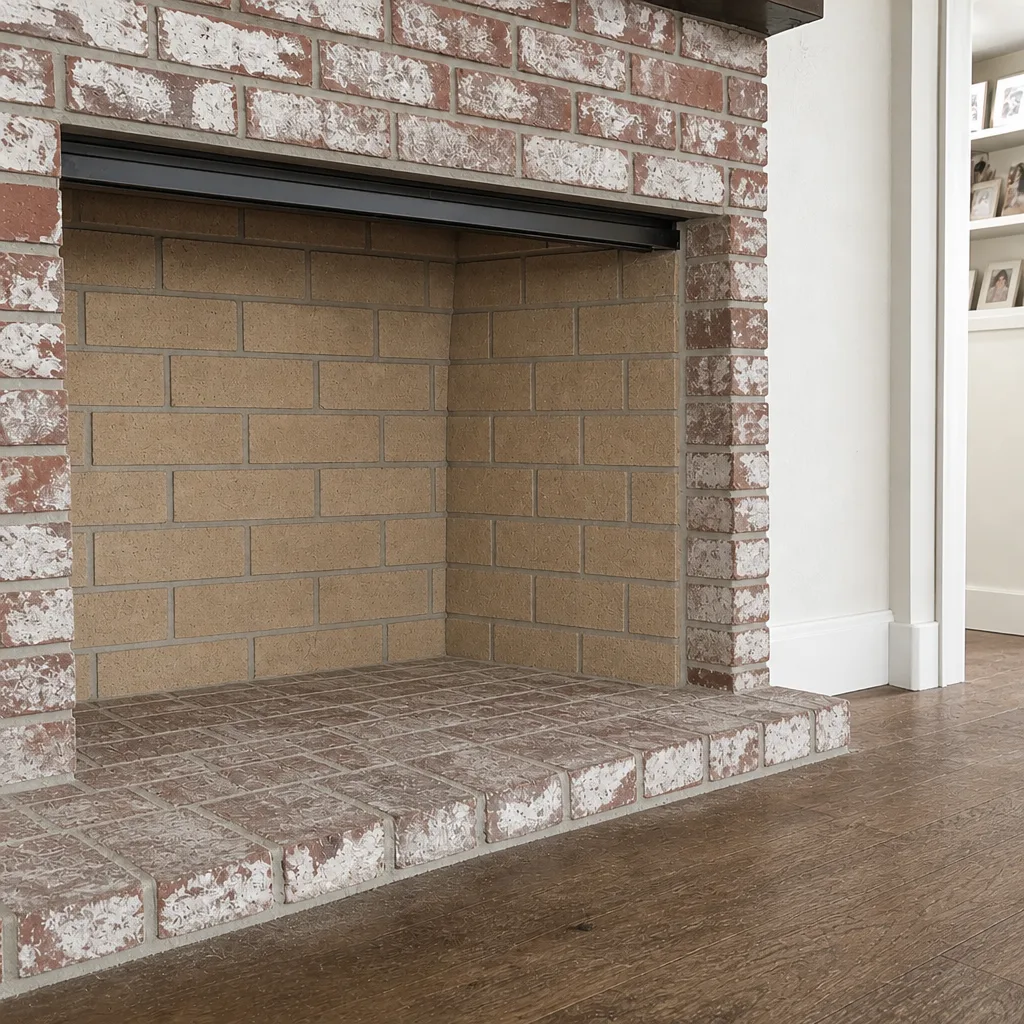
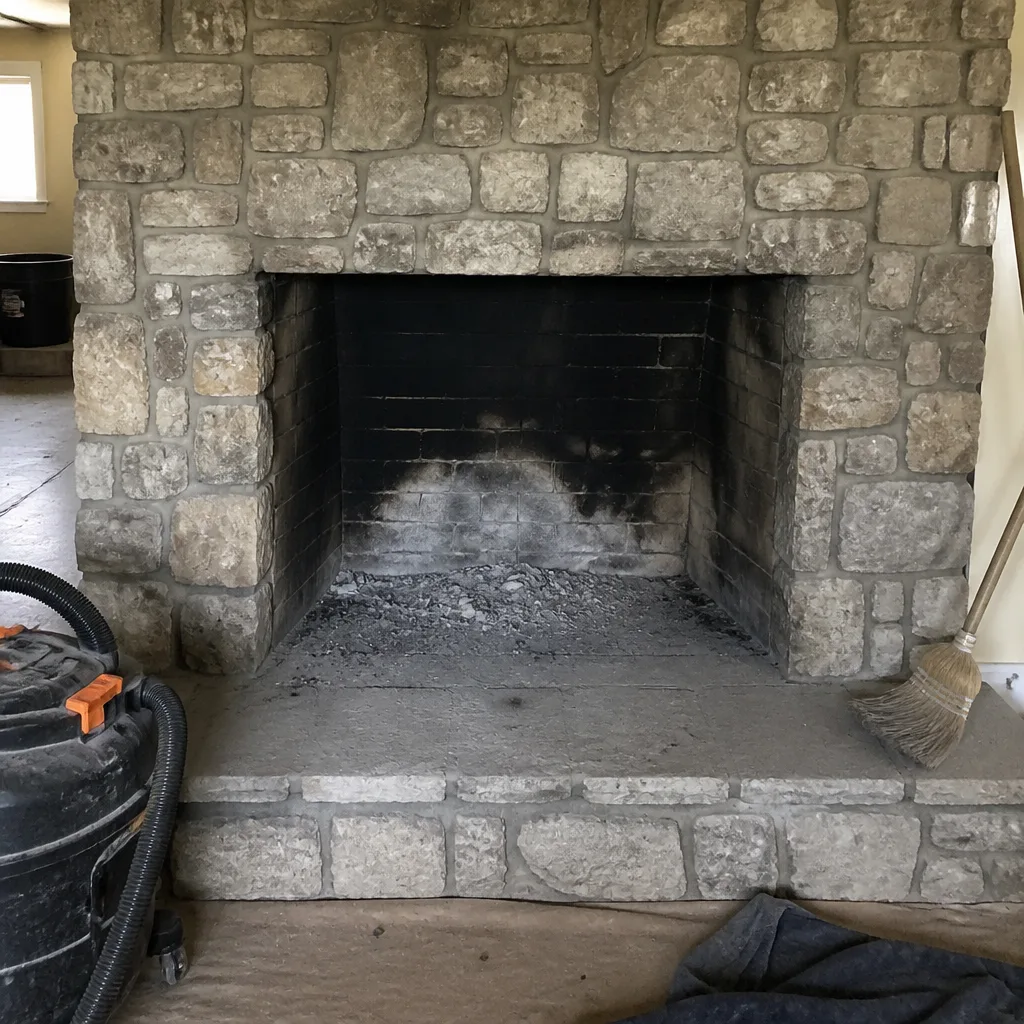
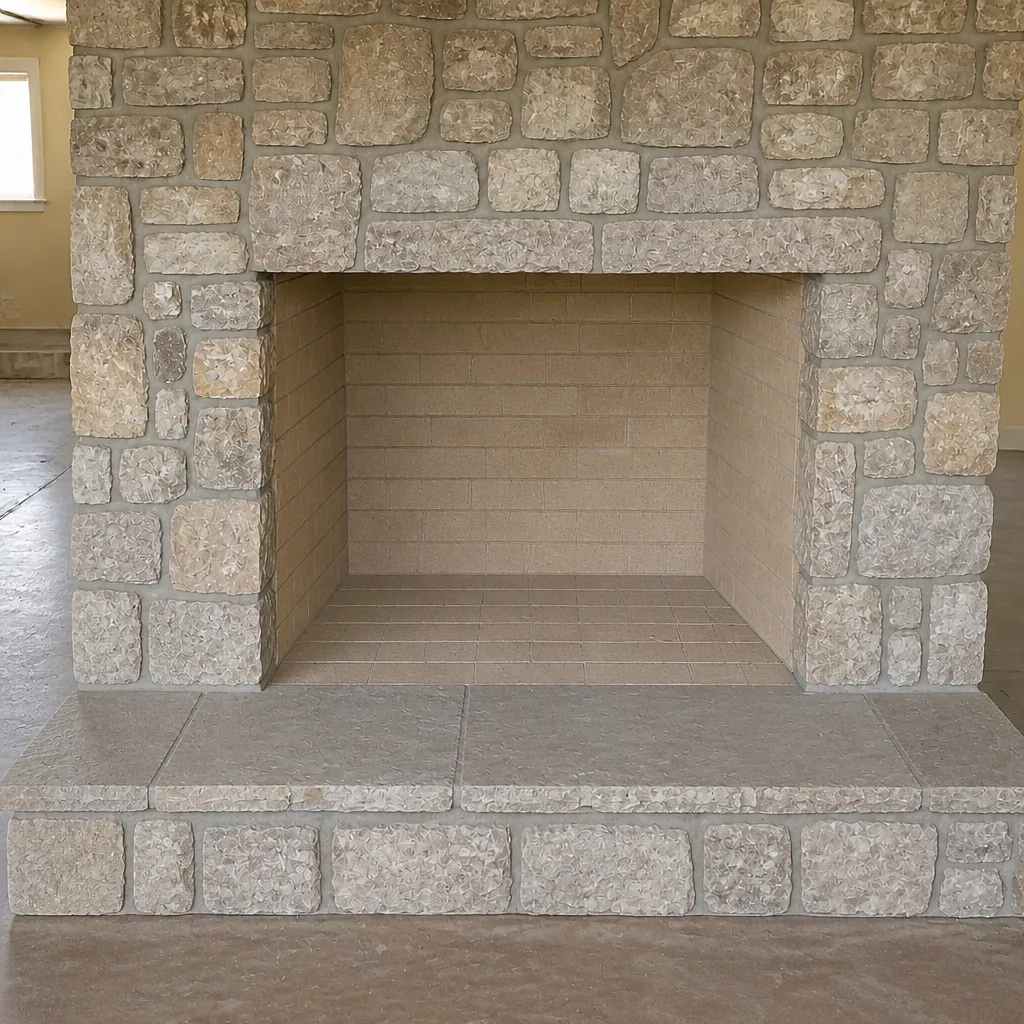
See the difference
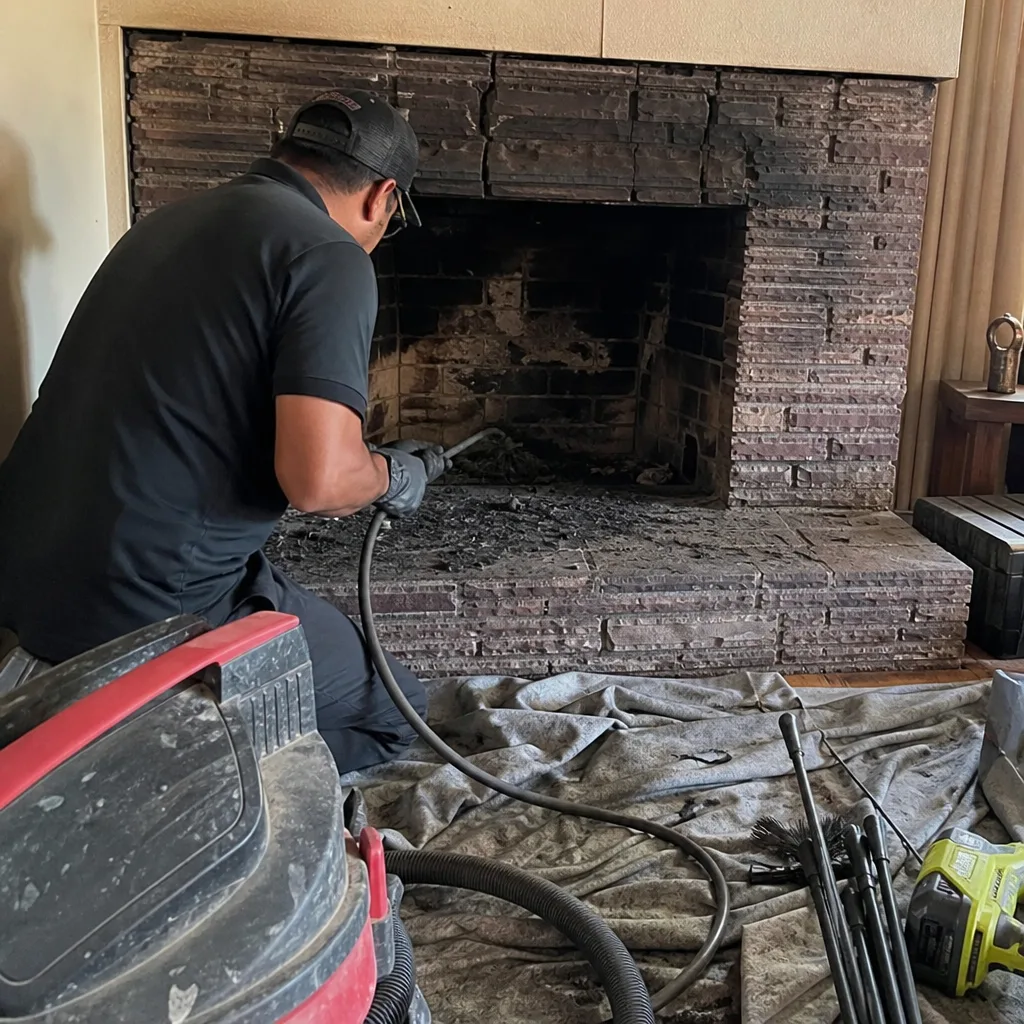 Before
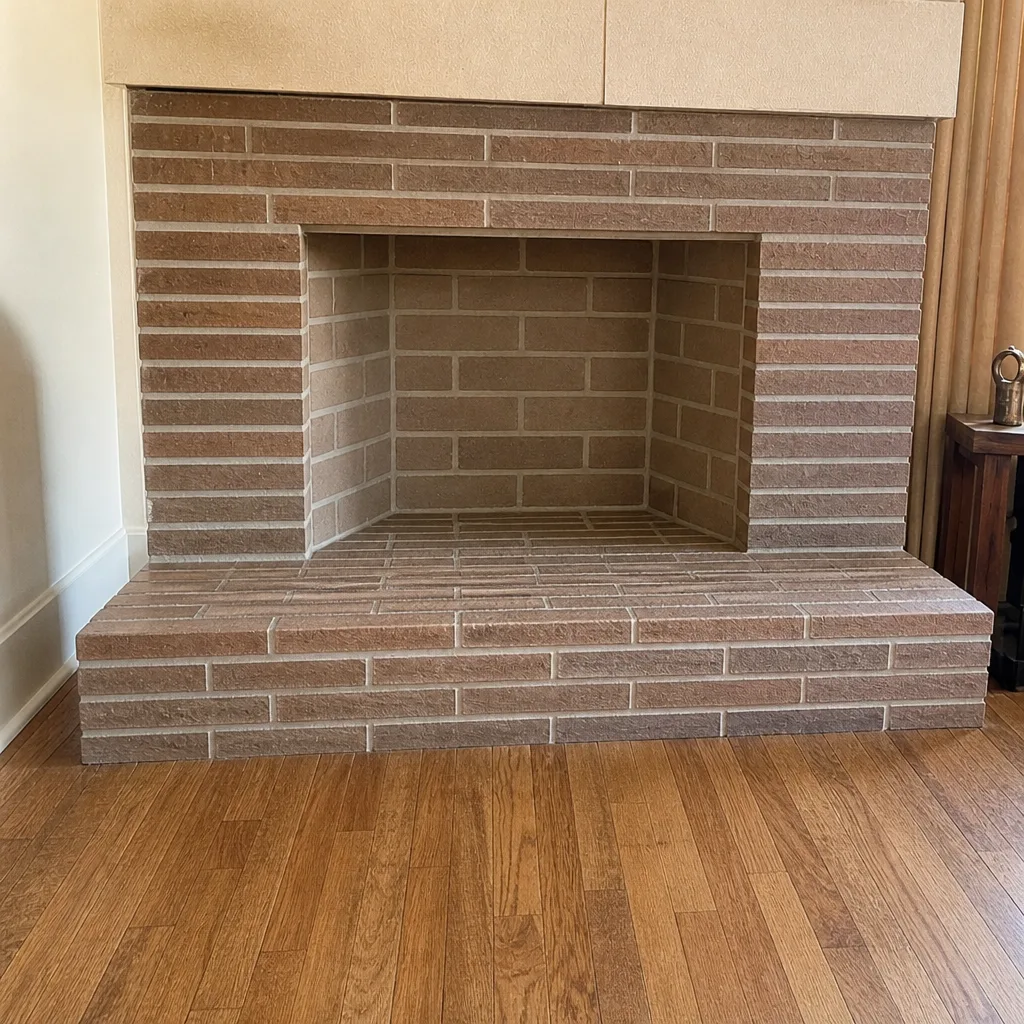 After
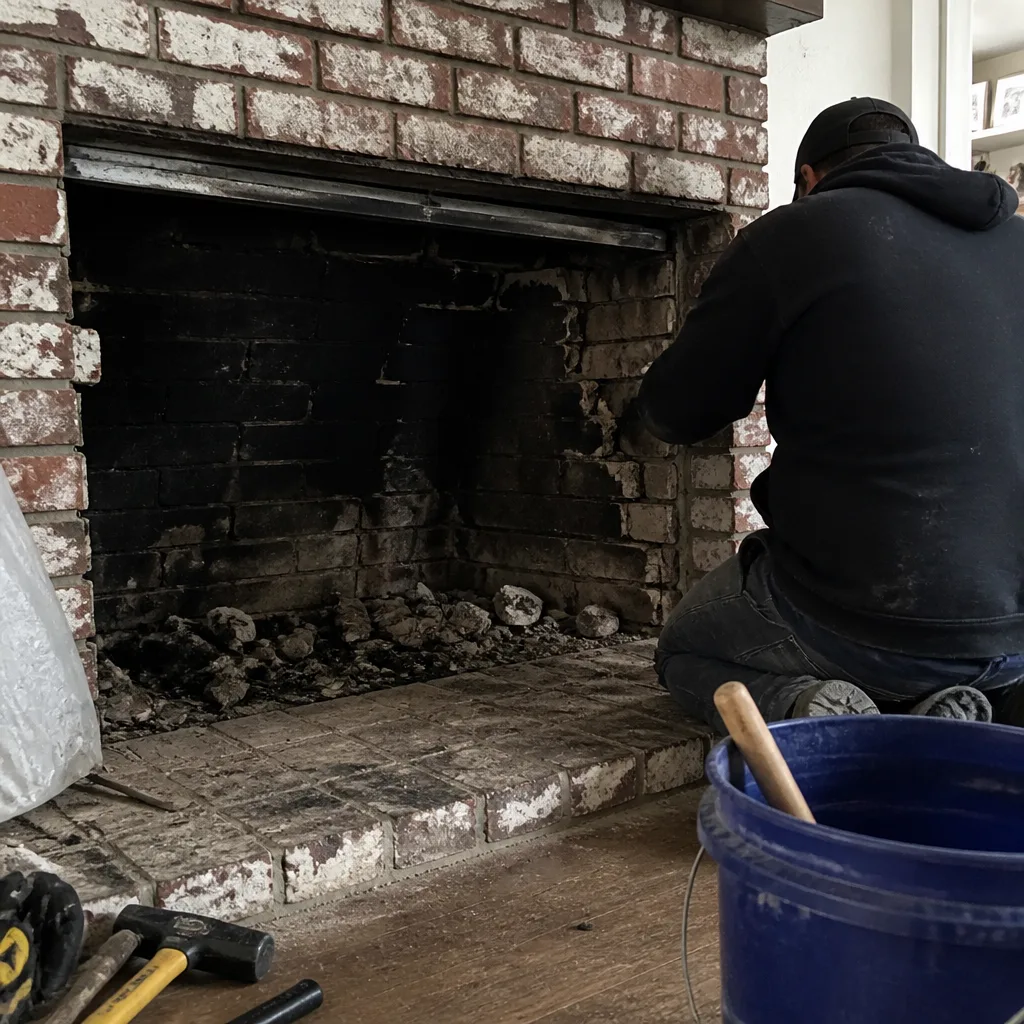 Before
 After
 Before
 After
When to Call a Professional
Call a professional if you haven’t had a camera inspection on record yet, if you’re unsure of the creosote stage in your flue, if you haven’t used the fireplace in over a year, or if you’ve noticed any change in draft, smoke, or odor. Call before you burn if the cap or crown is visibly damaged, if any part of the firebox or smoke chamber shows deterioration, or if you’ve been getting a CO alarm reading near the fireplace. Call before any DIY cleaning if the flue geometry is complex, if the liner has never been inspected, or if you don’t have the proper equipment. Chimney Sweep Park Santiago offers free estimates in Park Santiago. Call (855) 957-4437. We answer 24/7. Fast dispatch from 7am to 7pm, Sunday through Friday.
If you’ve already decided to have work done, we handle the full chimney system rather than just the flue. That includes chimney cap & crown work and full fireplace repair as part of the same service.
Frequently Asked Questions
You can clean your own chimney if it’s a simple straight flue, the creosote is light and flaky, you have proper equipment including a HEPA vacuum, and you have a recent professional inspection on record. Those conditions are narrower than most homeowners realize, and the inspection on record is the one most often missing. Call (855) 957-4437 for a free estimate on an inspection that establishes that baseline.
Most chimneys should be swept once a year if the fireplace is used regularly, and more often if you burn heavily or use unseasoned wood. The general rule is to have the flue inspected annually and swept when creosote buildup reaches a level that warrants it. In Park Santiago, where the burn season is concentrated into winter, scheduling before the season starts is the practical approach.
Skipped cleaning allows creosote to build up, and at Stage 2 and Stage 3 that creosote becomes a real fire hazard inside the flue. Liner fractures and smoke chamber deterioration can also go undetected, allowing combustion gases to escape. The safety risk is why annual inspection matters more than trying to save on a single sweeping.
You need a liner repair if inspection confirms fractures, gaps, or deterioration that compromise the flue’s ability to contain heat and gases. You don’t need one if the liner is intact. This is exactly why we recommend an inspection before any repair decision. HeatShield ceramic resurfacing is often a cost-effective alternative to full replacement when the liner is damaged but salvageable. Call (855) 957-4437 to talk through the options.
A sweep is mechanical removal of soot and creosote. An inspection is a diagnostic evaluation of the whole system: flue, smoke chamber, damper, firebox, cap, crown, and flashing. They are separate tasks, and a sweep is not a substitute for an inspection. Many homeowners conflate the two and stop after the sweep.
No. Hairline cracks in terracotta flue tiles are effectively invisible from the firebox looking up, and they are the most common liner failure we find. Detection requires a camera inspection with proper lighting. That’s the diagnostic gap that professional equipment closes, and it’s the reason an inspection is the right starting point for any cleaning decision.
The Bottom Line
DIY chimney cleaning can remove loose soot from a simple flue, but it can’t detect what that soot is hiding. The three conditions that most often lead to chimney fires and carbon monoxide problems, Stage 3 glazed creosote, liner fractures, and smoke chamber deterioration, all require professional camera equipment to find. Add up the real cost of proper DIY equipment, especially the HEPA vacuum, and the economics of one-time DIY rarely favor the homeowner. If you have a simple flue, a recent inspection on record, and you’re committed to periodic professional evaluation, DIY brushing between inspections is defensible. For everyone else, the safer and more honest path is to start with a professional inspection and let the actual condition of the chimney drive the decision. Chimney Sweep Park Santiago offers standalone inspections, full sweeping, and full-system repair including liners, caps, crowns, and masonry work. Call (855) 957-4437 for a free estimate. We answer 24/7. Fast dispatch from 7am to 7pm, Sunday through Friday.
Written by the team at Chimney Sweep Park Santiago.