
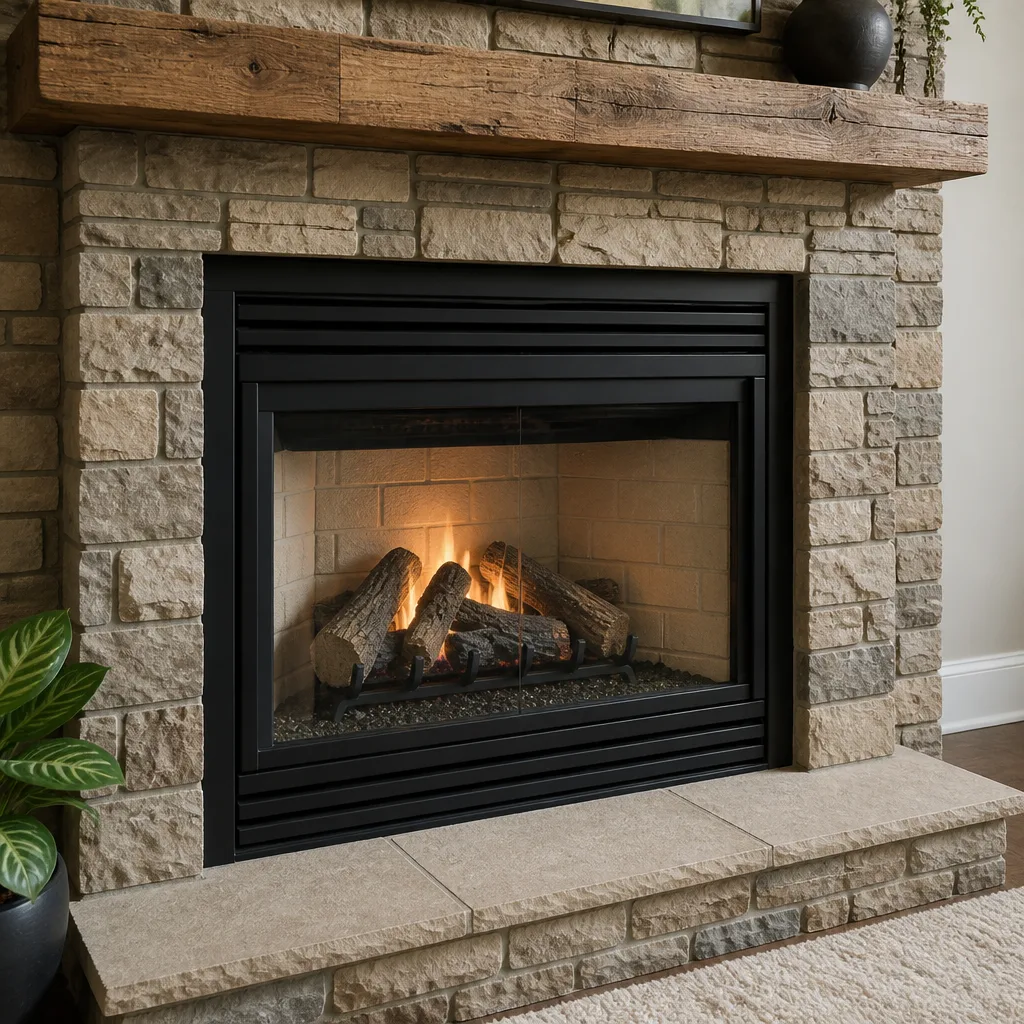
 Gas fireplace service
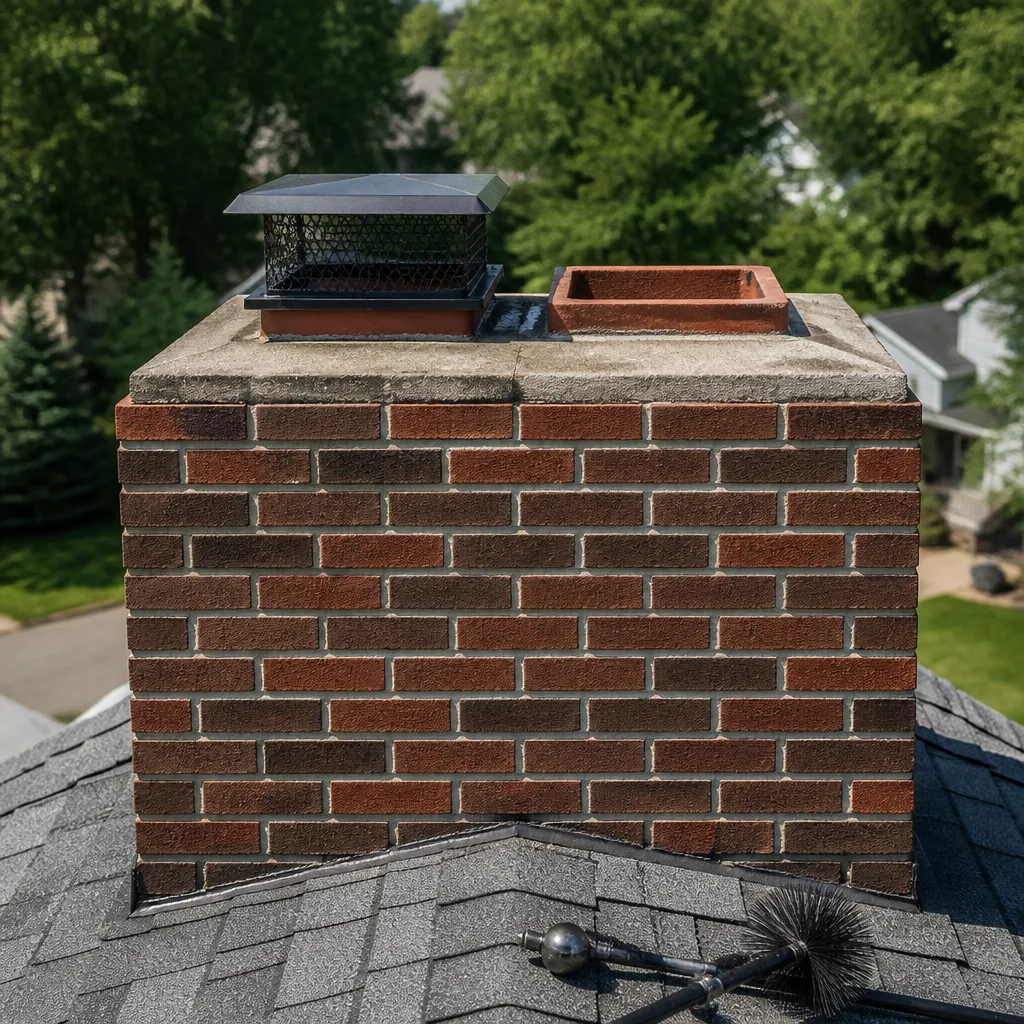 Sweep & inspection
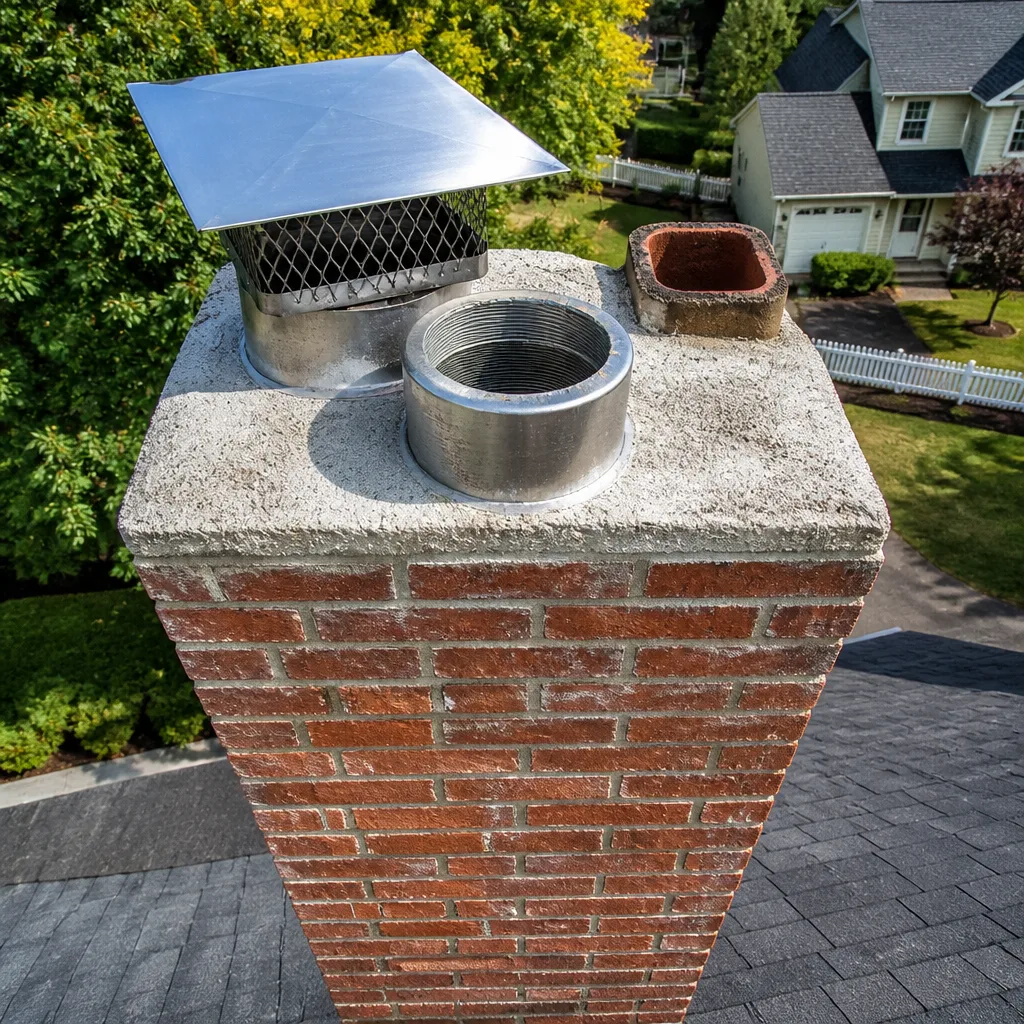
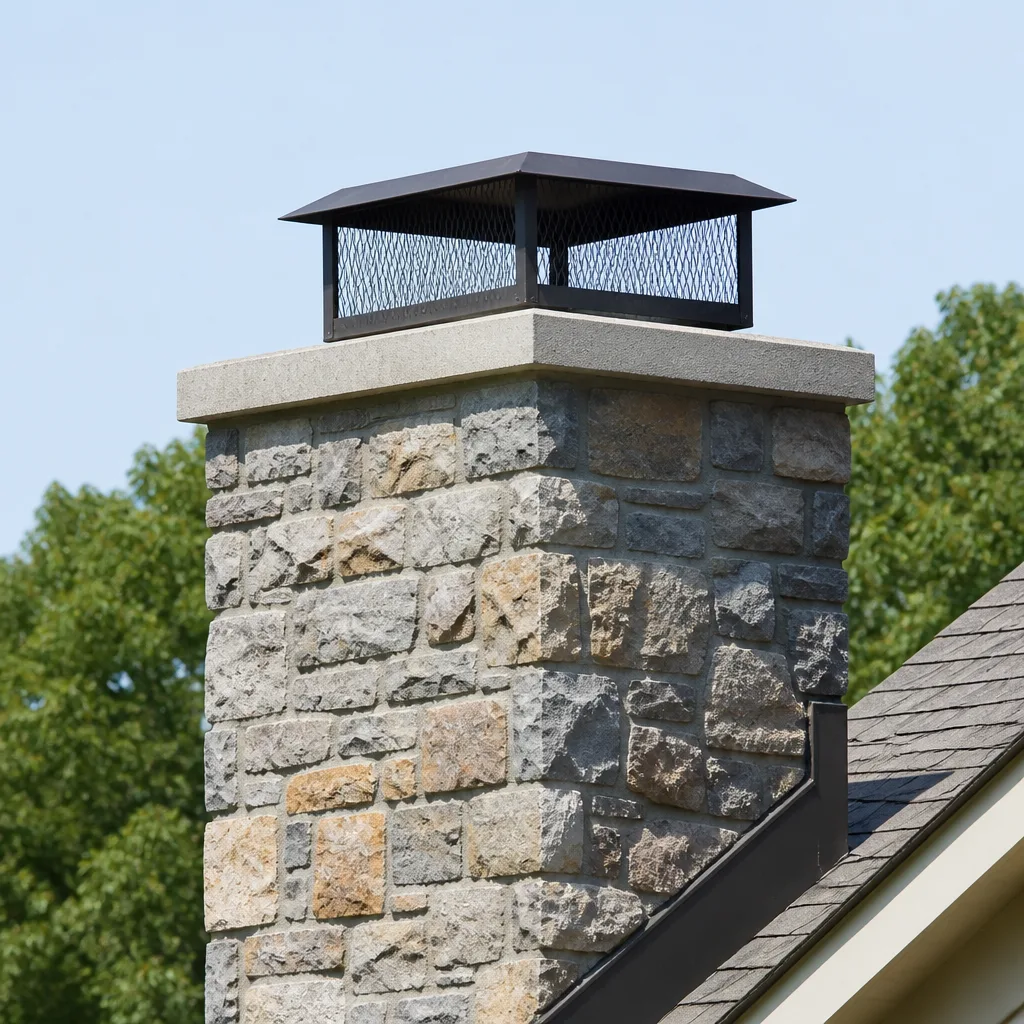 Caps & crowns
 Flue relining
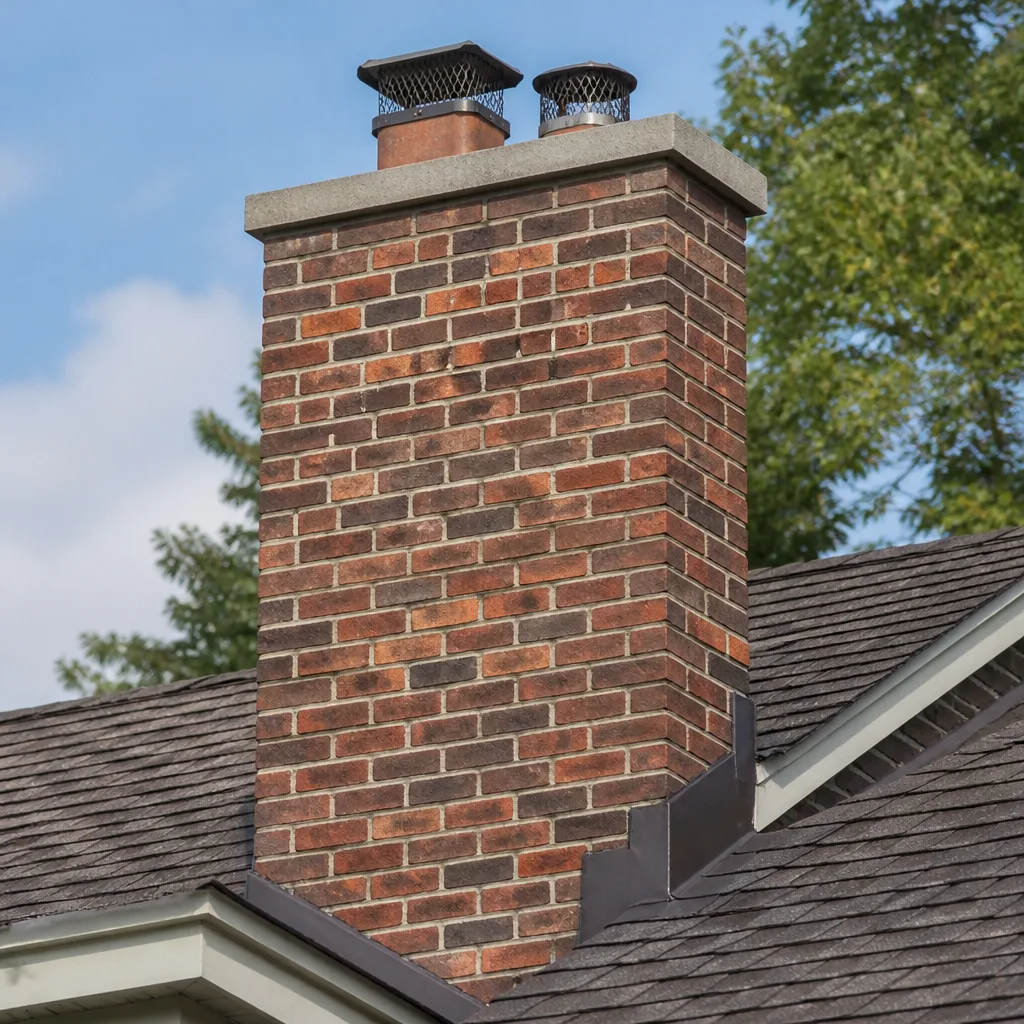 Masonry repair
Level 1 sweep and inspection to the NFPA 211 annual standard - flue, crown, cap, and flashing checked and photographed
Chimney sweep logs do not sweep chimneys. They loosen some creosote - which then falls where a brush and vacuum still have to collect it.
Why Park Santiago Homeowners Choose HeatShield Chimney Cleaning
We provide independent HeatShield chimney cleaning, inspection, and repair service in Park Santiago. Our technicians work on HeatShield castable refractory liners, firebox resurfacing, smoke chamber work, and HeatShield crown repair products, and we diagnose why a HeatShield surface is failing before we touch it. We are an independent service provider and are not affiliated with, authorized by, or a dealer for HeatShield.
That independence matters. We recommend what the flue actually needs, based on a camera inspection you can see, not on what moves product.
Park Santiago is a heavily 1950s – 60s ranch-house neighborhood in north Santa Ana, and thousands of original brick fireplaces here have been sealed up, converted to gas, or fitted with aftermarket inserts. The work is rarely a simple sweep. Chimney cleaning in Park Santiago is closer to chimney archaeology: figuring out what a prior owner did to a half-century-old masonry flue before anyone lights another fire in it. HeatShield liners turn up in exactly those flues. Call (855) 957-4437 and we’ll tell you what we find.
Key Takeaways
- We service and install HeatShield castable refractory liners as an independent provider, with no manufacturer affiliation.
- Diagnosis comes first: a Level 2 inspection with camera evidence before any repair recommendation.
- We handle sweep, inspection, crown repair, firebox repair, and full liner work under one company.
- Our technicians have up to 8 years of experience on chimney systems.
Why Trust Chimney Sweep Park Santiago for Your HeatShield Chimney Cleaning?
HeatShield work rewards preparation and punishes shortcuts. A castable refractory liner only bonds as well as the flue wall underneath it was cleaned, and most of the HeatShield failures we open up in Park Santiago trace back to surface prep, mix thickness, or cure time. Our technicians have up to 8 years of experience reading those failures, and we know the HeatShield cure schedule and its bonding quirks because we open these chimneys in Park Santiago regularly.
We use the genuine castable mix and the correct bonding agents for HeatShield work. Aftermarket refractory cement is not a like-for-like substitute and won’t cure to the same density, so we don’t use it on a HeatShield repair. That keeps your service within the manufacturer’s expectations and doesn’t give anyone grounds to deny a warranty claim later.
We’re chimney-exclusive. Every technician is trained on flue dynamics, draft, masonry, and fire safety, not splitting attention across plumbing or HVAC calls. One specialist for sweep, repair, liner, cap, and crown.
Styles & brands we work with
- Sweep & inspection
- Caps & crowns
- Flue relining
- Masonry repair
- Gas fireplace service
Common HeatShield Chimney Cleaning Problems We Fix in Park Santiago
The handful of failures below account for most of the HeatShield problems we see in Park Santiago’s older masonry chimneys. Each one has a cause, and each one tells us something about how the original job was done.
- Liner delamination from poor surface prep. When HeatShield 2000 was applied over a flue that wasn’t fully cleaned of soot or creosote oil, the castable can’t grip the clay, and it shells off in flakes. Homeowners usually spot it as gray debris on the firebox floor after a few burns.
- Cracking at the smoke chamber transition. The bend from firebox into the smoke chamber is the hardest place to apply a castable evenly. If the mix goes on too thick in one pass, it shrinks as it cures and opens a crack along the transition. That crack becomes a path for smoke and heat where there shouldn’t be one.
- Premature spalling on firebox walls. HeatShield resurfacing on the firebox is only as dry as the masonry behind it. A failed crown or flashing lets water into the chimney, and repeated moisture cycles push the resurfaced face off in patches long before it should wear out.
- Bond failure at the damper frame and throat. The throat and damper frame are where the refractory gets feathered thin to blend into the surround. Feathered thin is also where it pops loose after a few heating cycles. Once it lifts, the gap widens with every fire.
- Uneven flue temperature and draft complaints after a liner. A castable liner changes the inside dimensions of the flue. If the smoke chamber and cap don’t suit that new flue size, the fireplace smokes back or drafts sluggishly. The liner isn’t the problem; the surrounding system wasn’t matched to it.
Park Santiago’s climate adds its own pressure. Winters are mild and the fireplace sits unused for long stretches, so creosote, soot, and pest debris build up undisturbed. Then a December cold snap or a winter power outage brings a fire back into a flue nobody has looked at in years. A HeatShield surface that’s been quietly degrading under all that is not a safe place to start a fire.
There’s a local pattern worth knowing about, too. A technician working Park Santiago quickly learns to check for the two-chimney setup: the original flue plus a later insert or water heater flue sharing the same chase, often visible only from the roof. Insert venting is a frequent source of the call, and it’s the kind of thing that changes how a HeatShield job should be spec’d.
HeatShield Parts & Our Repair-vs-Replace Approach
HeatShield repairs live or die on materials. Castable refractory has to be the genuine mix with the correct bonding agents to cure to the right density, and we don’t substitute generic refractory cement to save a few dollars on a job that has to last. We source quality parts that fit HeatShield systems.
The repair-or-replace call comes down to how far the failure runs:
- Repair is honest and cost-effective when the HeatShield liner is sound but the crown or flashing is failing. Fixing the water source protects the liner. That’s the whole point of HeatShield crown repair and crown coat products.
- When the HeatShield is delaminating across more than a third of the flue, a full reline is the only durable fix. Patching a liner that’s failing across a wide area just moves the problem down the flue.
Nothing gets recommended without camera evidence you can look at yourself, and we’ll tell you when a repair can safely wait. If you’re unsure which side of that line your chimney is on, call (855) 957-4437 for a straight answer.
Our HeatShield Service Process – Step by Step
- 1
Diagnosis. Every HeatShield job starts with a Level 2 inspection using a camera, so we can see the full flue interior, the smoke chamber transition, the damper throat, and the crown. We photograph what we find and show you before anything is proposed.
- 2
Prep and repair or install. This is the step that decides the outcome. Loose castable comes out back to sound material, the flue walls get properly cleaned and prepped, and HeatShield 2000 goes on in the correct two-pass thickness. Bonding agents are mixed to spec, not eyeballed.
- 3
Test. Once the work cures, we check draft and confirm the flue draws as it should for the firebox and cap on that chimney. If the flue size change from a castable liner needs a draft correction, we handle it here.
- 4
Warranty and records. You get the inspection photos, a written record of the materials and process used, and the documentation to keep for any future warranty question on the HeatShield work.
A typical HeatShield call follows a recognizable path. A homeowner notices flakes of gray refractory material on the firebox floor after a few burns and calls for an annual sweep. A Level 2 inspection with a camera reveals that the HeatShield 2000 liner has delaminated along a cold seam where the original flue wasn’t fully cleaned before it was applied. The usual fix is to remove the loose castable back to sound material, re-prep the flue walls, reapply HeatShield 2000 at the correct two-pass thickness, and cure it per the manufacturer’s schedule before the first fire.
See the difference
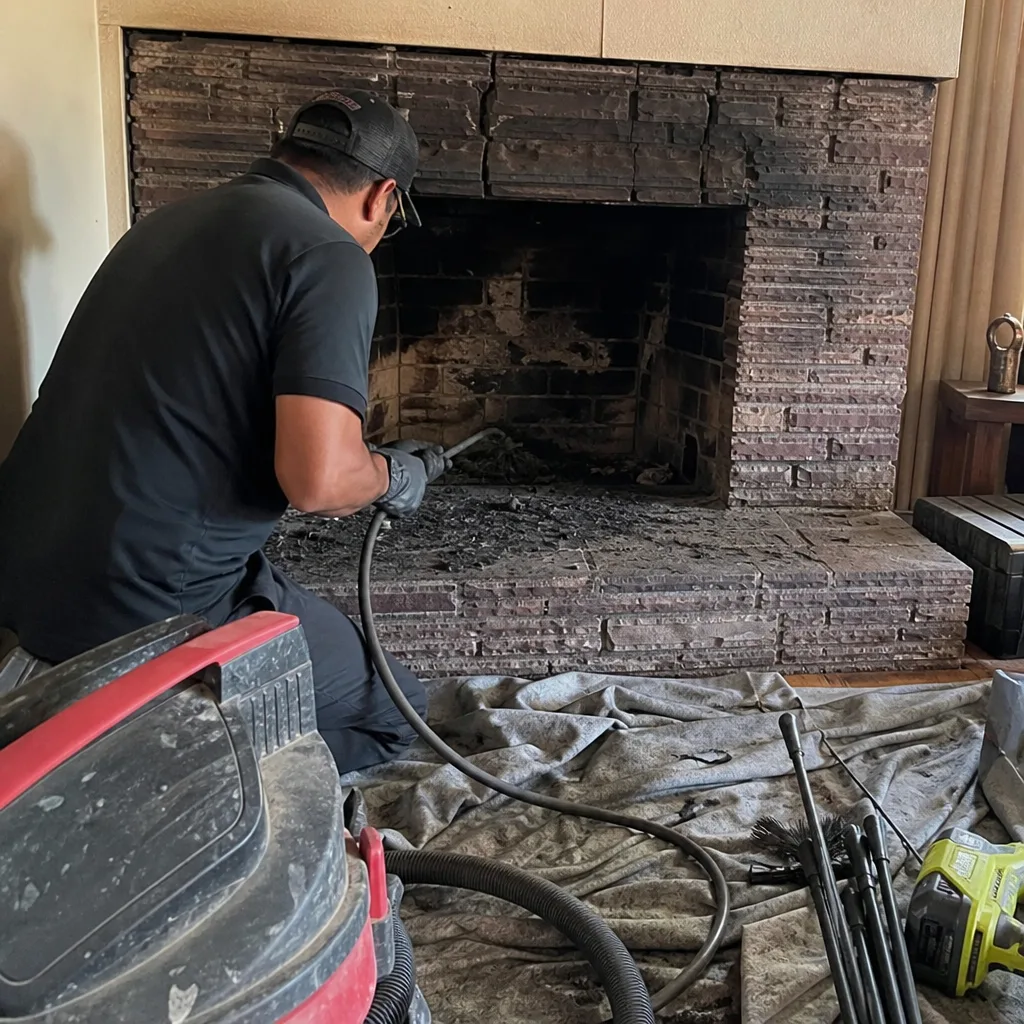 Before
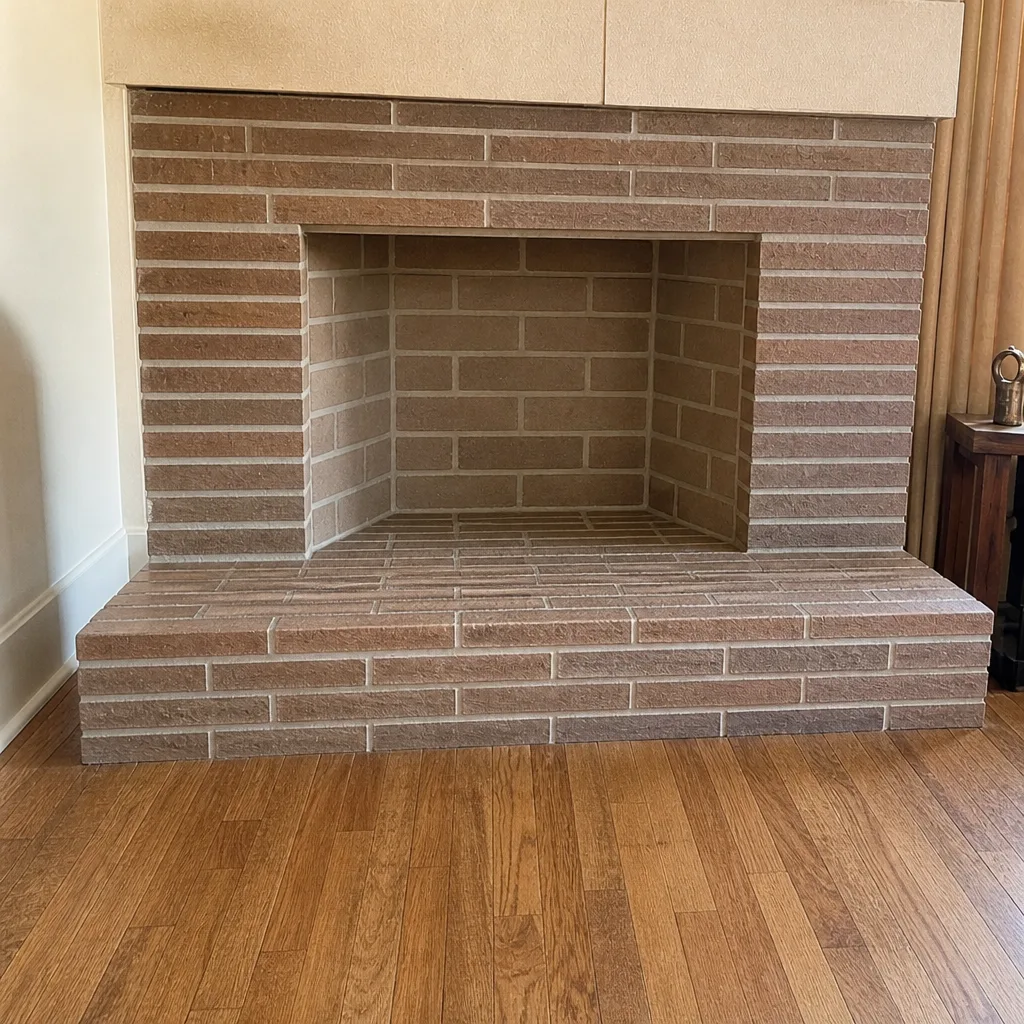 After
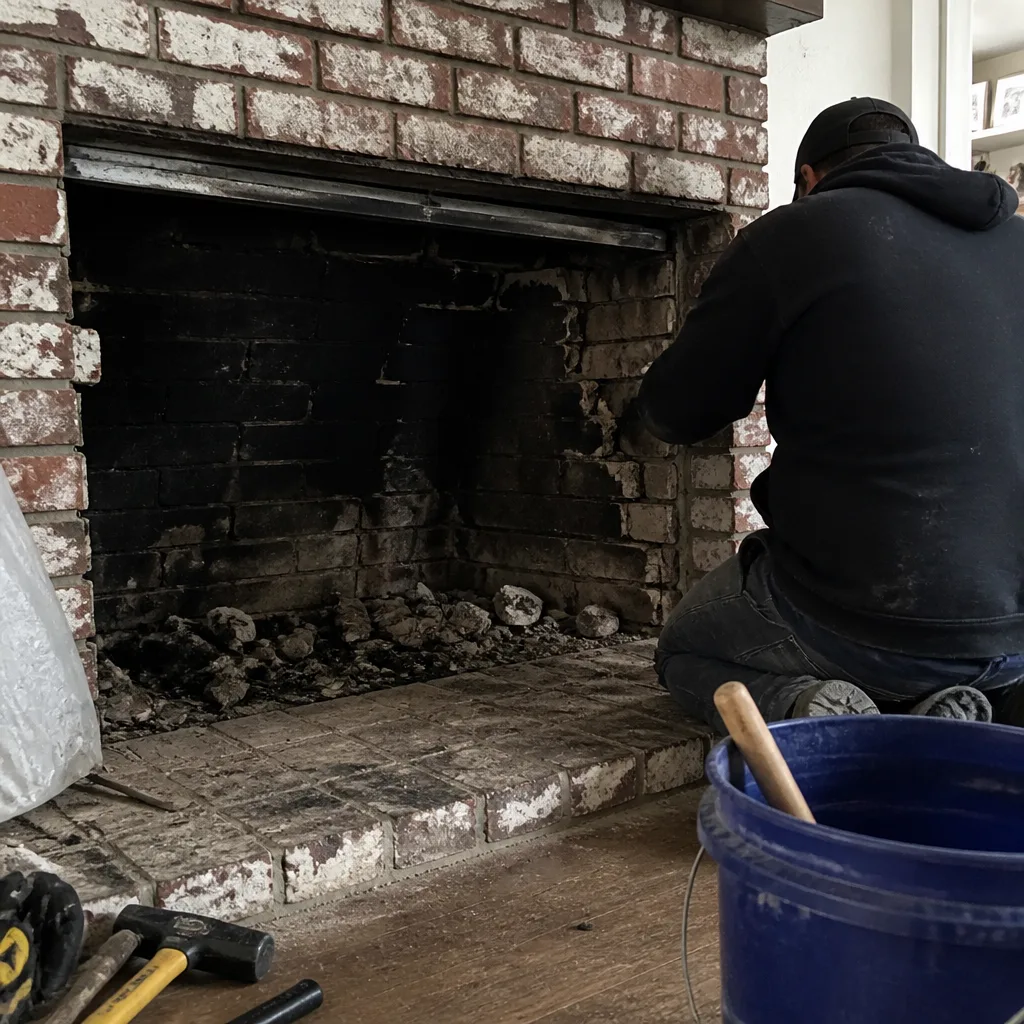 Before
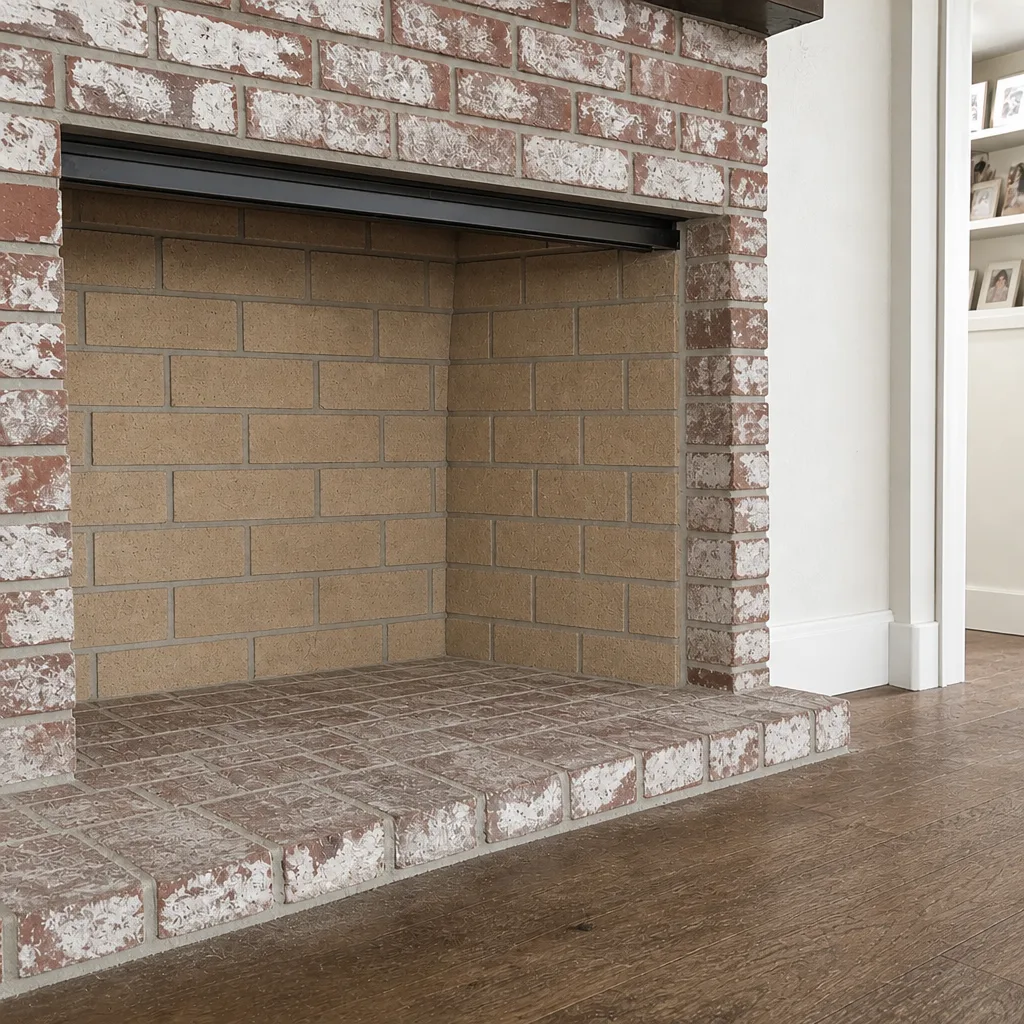 After
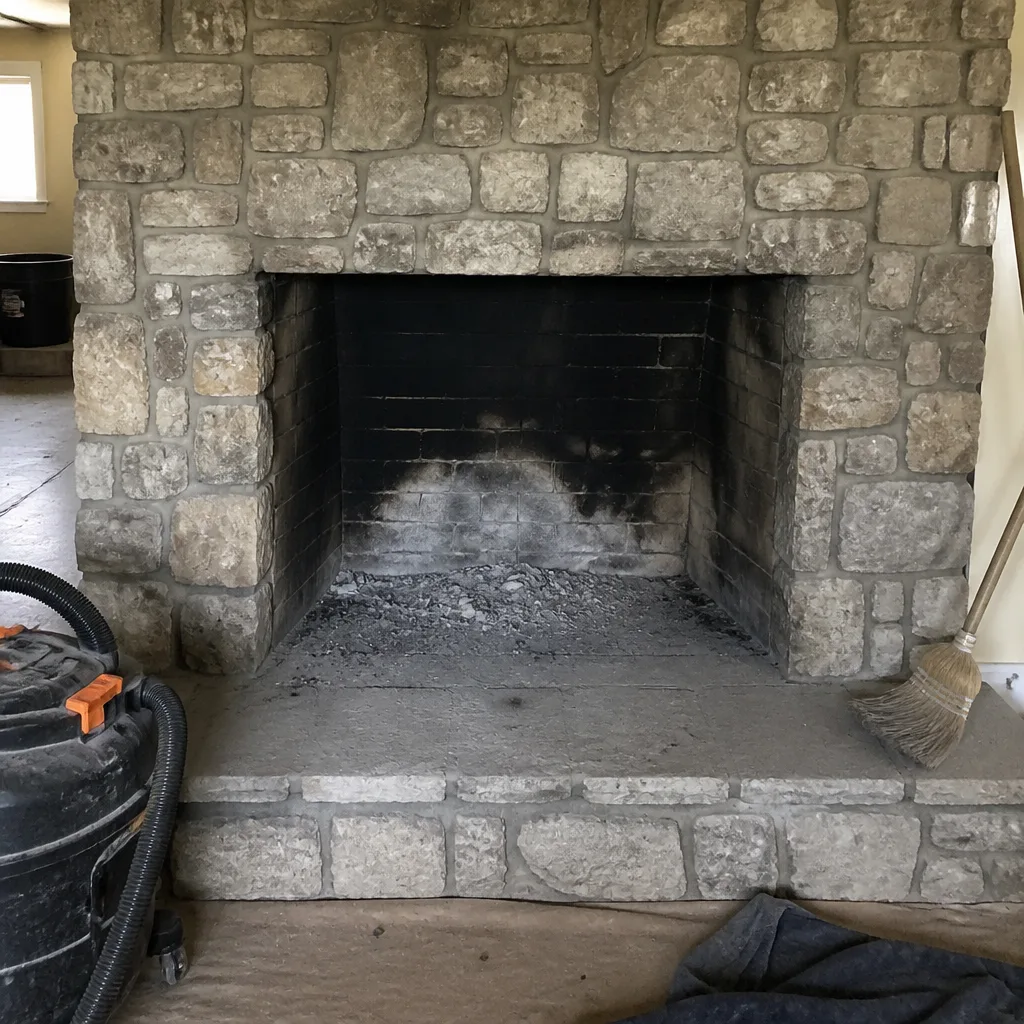 Before
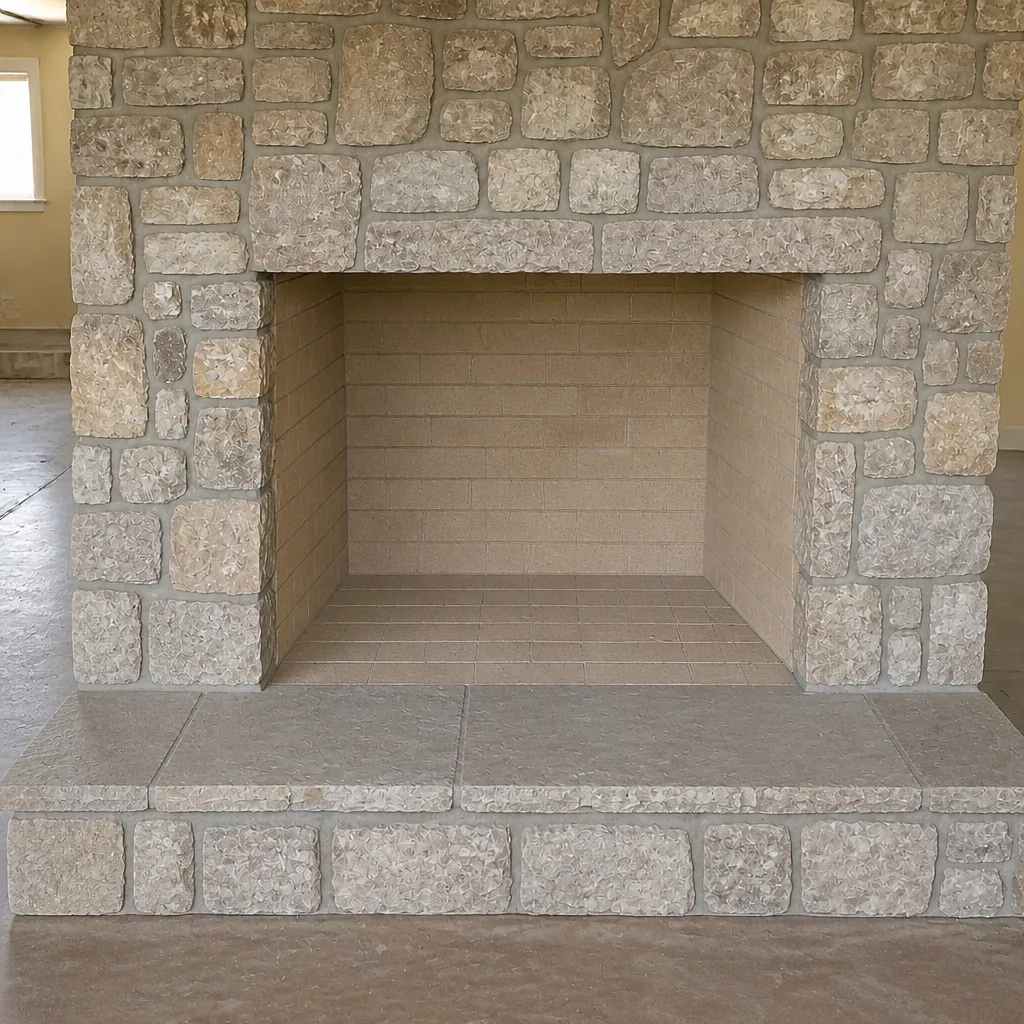 After
HeatShield Products We Service & Install in Park Santiago
We work with the HeatShield products that show up on Park Santiago chimneys:
- HeatShield 2000 castable refractory liner, the product behind most of the liner work we do here.
- HeatShield 2000 HT, the high-temperature formulation, for flues that run hotter.
- HeatShield Resurfacing System for firebox walls and the smoke chamber.
- HeatShield Crown Repair and Crown Coat products to stop the water intrusion that ruins liners from the outside in.
Each of these is a different material with its own prep and cure requirements. Treating them the same is one of the reasons HeatShield jobs fail early.
We Also Service These Brands
HeatShield is one tool among several, and it isn’t right for every flue. When a chimney calls for a different approach, we work with DuraFlex stainless liner systems for long-term flue integrity, and with Gelco products where they fit the job. That range means your recommendation comes from the chimney’s condition, not from a single brand we’re tied to.
FAQs – HeatShield Chimney Cleaning Service in Park Santiago
No. We’re an independent HeatShield service provider and are not affiliated with, authorized by, or a dealer for HeatShield. We service, repair, and install HeatShield products using quality parts that fit them, and we recommend based on the chimney’s condition rather than a manufacturer program.
Yes. HeatShield repairs use the genuine castable mix and correct bonding agents, because aftermarket refractory cement won’t cure to the same density. We don’t substitute generic cement on HeatShield work. Call (855) 957-4437 for an exact quote.
Most HeatShield liner and resurfacing work is a full day or more, and the cure period after the job adds time before the first fire. Prep has to be thorough, the mix has to go on in the right passes, and it has to cure per schedule. Rushing any of those is how jobs fail later. Call (855) 957-4437 to book an inspection and we’ll scope the time honestly.
We cover HeatShield 2000 castable refractory liners, HeatShield 2000 HT for high-temperature flues, the HeatShield Resurfacing System for firebox and smoke chamber, and HeatShield Crown Repair and Crown Coat products. That’s the full range of HeatShield work we see on Park Santiago chimneys.
Not when the work follows the material’s prep and cure requirements and the genuine mix is used. Our process documents the materials and steps so you have records to support a warranty question. We can’t promise what a manufacturer will decide, but we don’t give them grounds to deny a claim.
Pricing is per job by written estimate, because a HeatShield chimney cleaning here often turns into liner assessment once we see what’s in the flue. The estimate is free and the written estimate sets the final price. Call (855) 957-4437 for an exact quote, and we’ll tell you plainly if a repair can wait.
Yes, in most cases. HeatShield 2000 is designed to resurface a flue with cracked or spalled clay tiles, but the tiles and joints have to be prepped and cleaned so the castable can bond to something solid. A Level 2 camera inspection tells us whether the clay is sound enough to resurface or whether the cracks run too deep. Call (855) 957-4437 and we’ll look before we decide.
It needs the full cure period the manufacturer specifies for the mix and conditions, and that means no fire in the chimney until it’s done. Lighting early drives moisture out of castable too fast and can crack it. We confirm the cure timeline in writing with your job records. Call (855) 957-4437 if you’re unsure where your liner is in that window.
Moisture is the usual cause, almost always from a failed crown or flashing letting water into the masonry behind the resurfaced face. HeatShield can’t hold on to wet masonry, so it chalks and flakes. Fixing the water source comes first; then the resurfacing can be redone properly. Call (855) 957-4437 and we’ll check the crown and flashing before we quote anything.
It can. A castable liner narrows the flue a little, and on a chimney that was already marginal on draft, that small change matters. The fix is matching the smoke chamber and cap to the new flue size rather than blaming the liner. We check draft after the work cures. Call (855) 957-4437 if your fireplace has started smoking back.
Usually not. Prefab insert flues have their own listed venting system, and castable refractory isn’t a substitute for it. That’s often where the Park Santiago two-chimney setup comes in, since insert venting shares the chase with the original flue. An inspection sorts out which flue is which before anyone recommends work. Call (855) 957-4437.
Book Your HeatShield Service in Park Santiago, CA
If you’ve got a HeatShield liner, a firebox that’s flaking, or a crown that’s letting water in, an inspection tells you what’s really going on. We’ll show you the camera footage, give you a free estimate, and say plainly when a repair can wait. Call (855) 957-4437. We answer 24/7. Fast dispatch from 7am to 7pm, Sunday through Friday.
Written by the team at Chimney Sweep Park Santiago.