
Last updated November 25, 2026
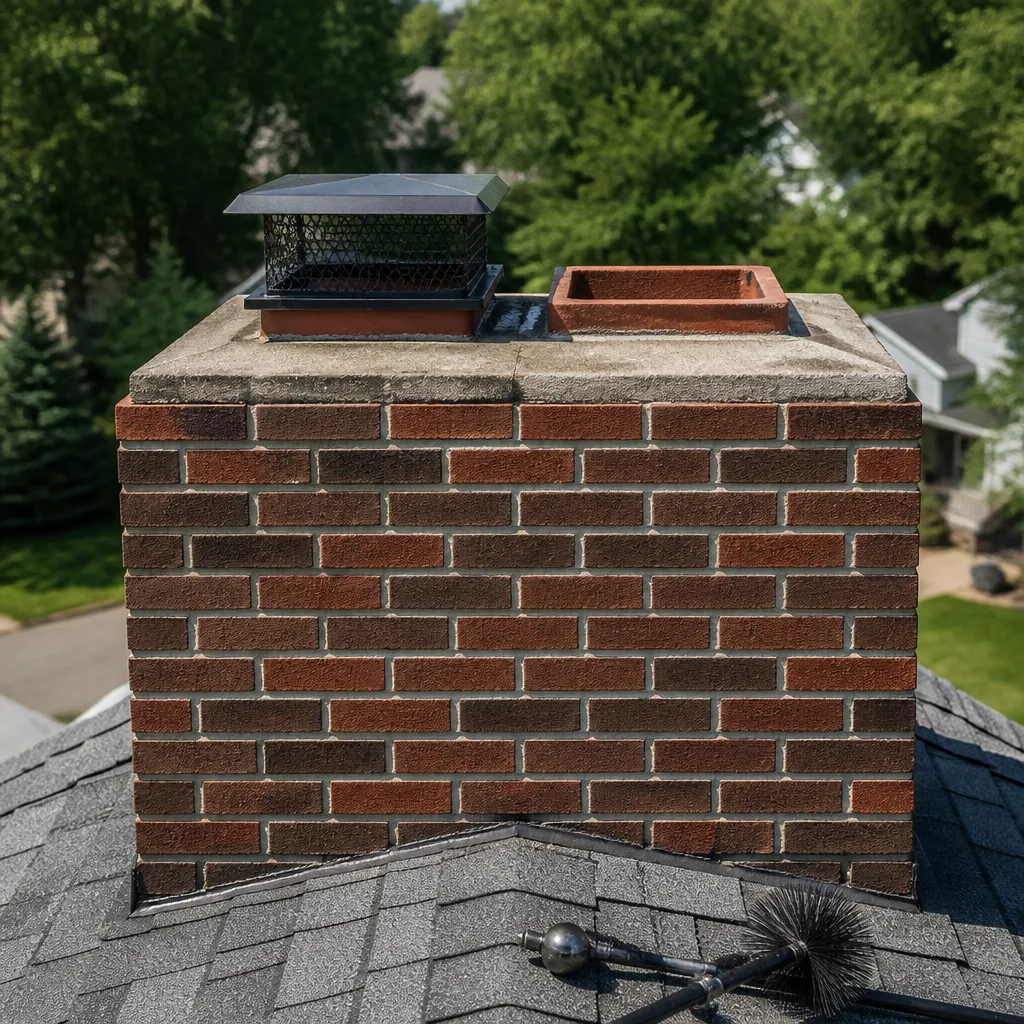 Sweep & inspection
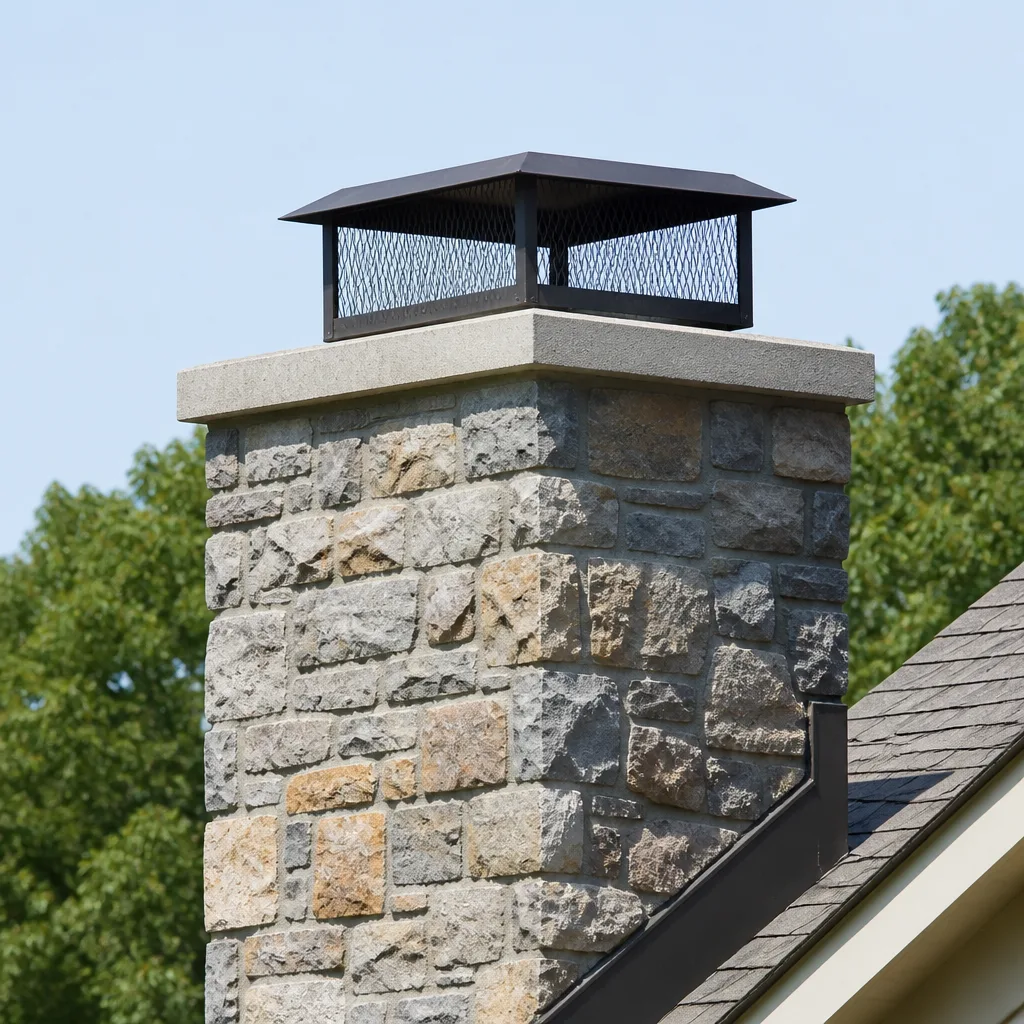 Caps & crowns
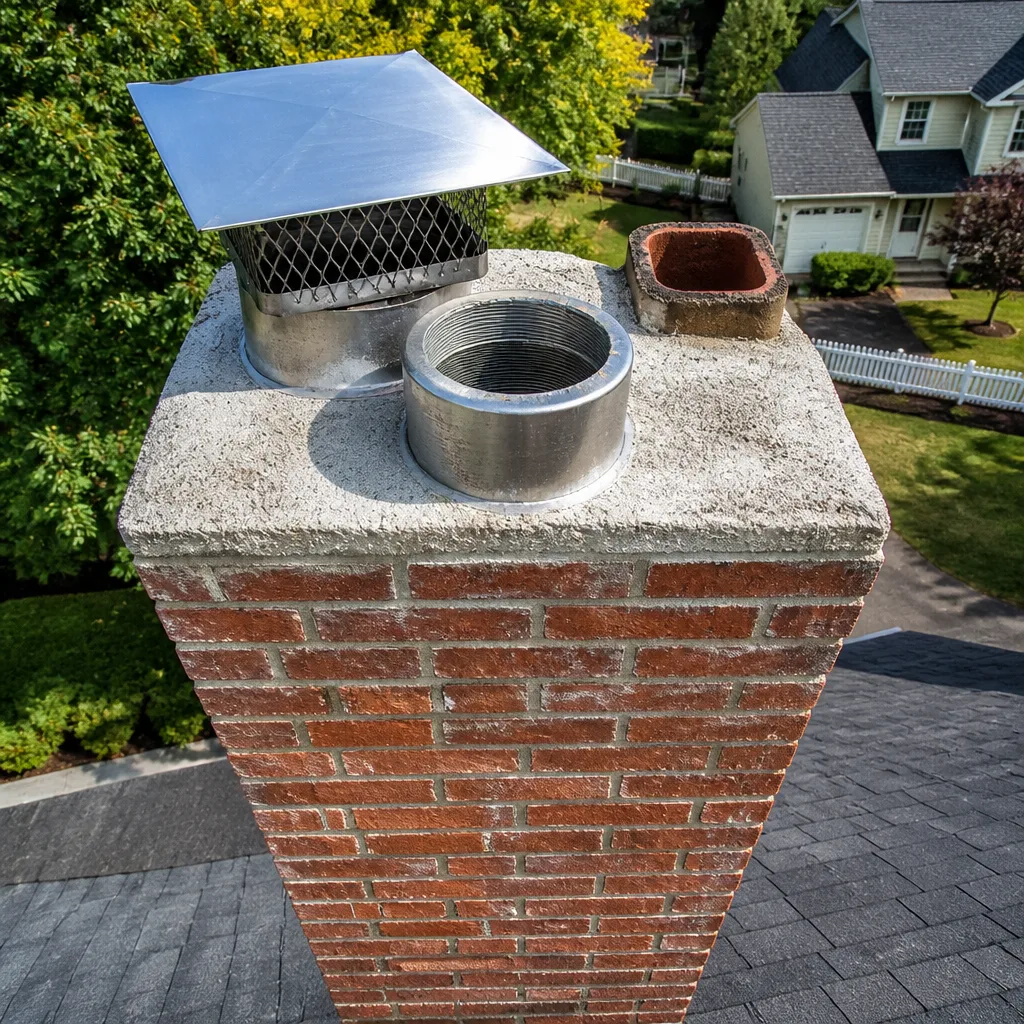 Flue relining
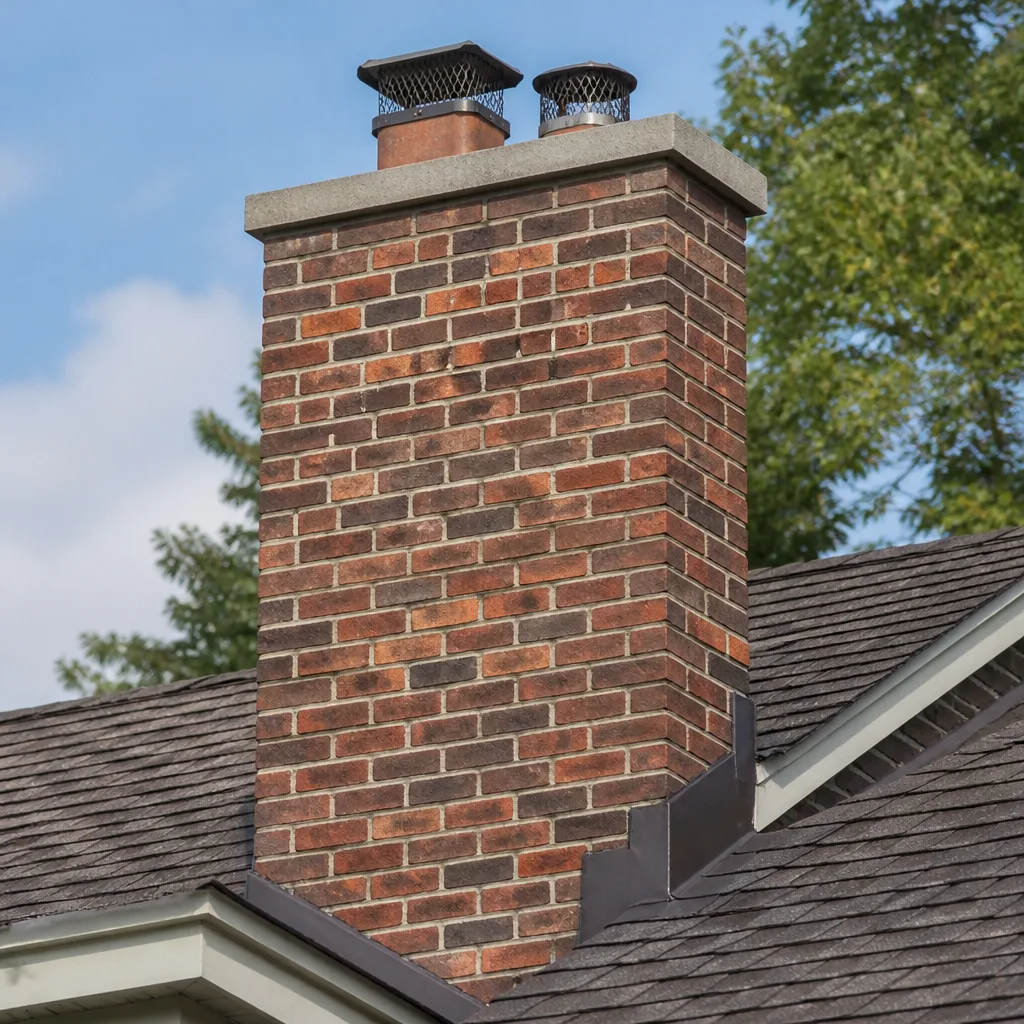 Masonry repair
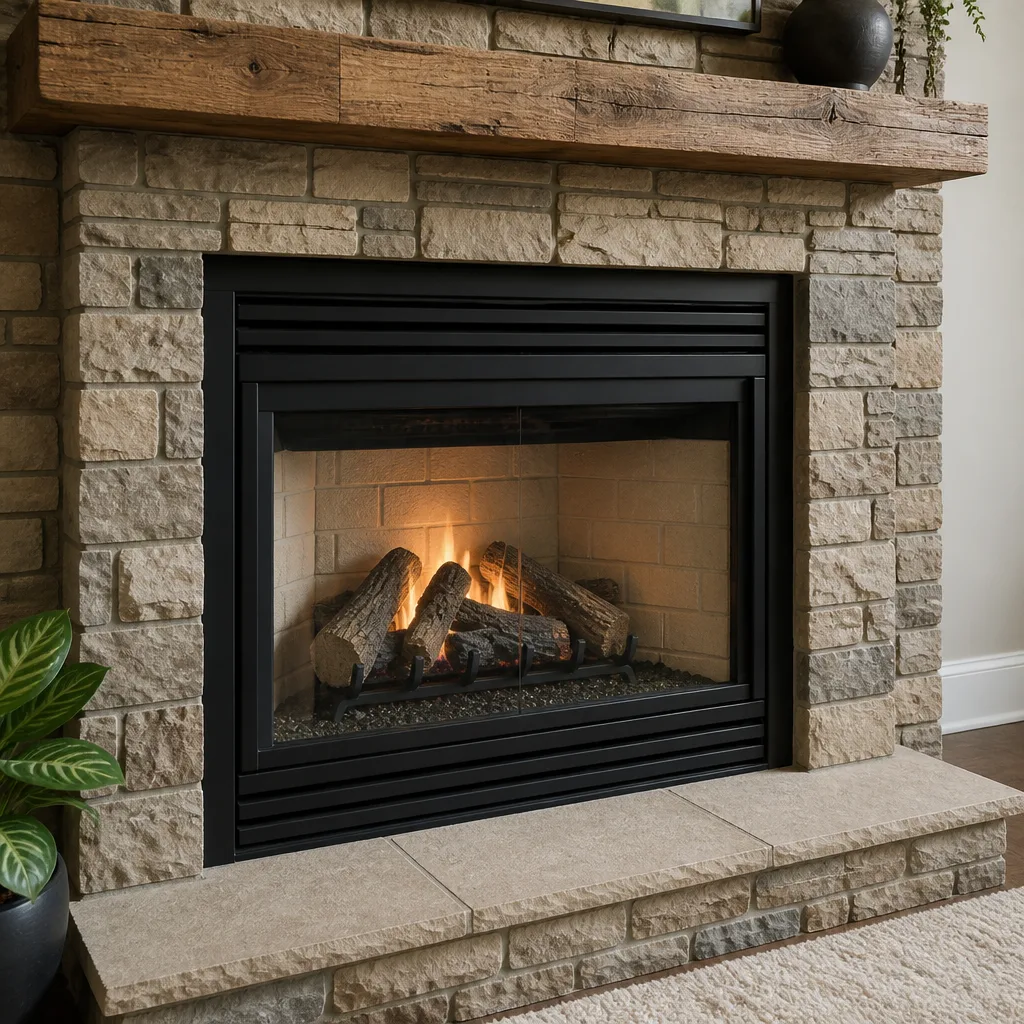 Gas fireplace service
Level 1 sweep and inspection to the NFPA 211 annual standard - flue, crown, cap, and flashing checked and photographed
Chimney sweep logs do not sweep chimneys. They loosen some creosote - which then falls where a brush and vacuum still have to collect it.
The Complete Guide to Chimney Cleaning in Park Santiago
Most people assume the dangerous chimneys are the ones that never get cleaned. In our experience, that’s only half the story. A chimney that gets a quick pass with a brush but leaves creosote packed into the smoke chamber, the damper shelf, and the offset above the flue is still a fire risk. Cleaning a chimney isn’t one task. It’s a system-level job. This guide walks you through what a complete cleaning actually covers in Park Santiago, how our local wind and housing stock change creosote buildup, the three inspection levels most guides skip, and how to schedule cleaning when one home has a wood fireplace, a gas insert, and a pellet stove. By the end you’ll know what to ask for, what to check, and when to call a specialist.
Quick Answer
A complete chimney cleaning in Park Santiago goes well beyond running a brush down the flue. It removes creosote and soot from the firebox, damper, smoke chamber, flue, and cap, and it includes a visual condition check of the liner, crown, and masonry. Cleaning intervals depend on how much you burn and what you burn, so a wood-burning fireplace used regularly usually needs an annual sweep, while a gas appliance may need it less often but still needs an annual inspection.
Styles & brands we work with
- Sweep & inspection
- Caps & crowns
- Flue relining
- Masonry repair
- Gas fireplace service
Table of Contents
- What the Chimney System Actually Includes
- How Park Santiago’s Winds Affect Creosote Buildup
- The Three Levels of NFPA 211 Inspection
- Cleaning Schedules for Wood, Gas, and Pellet Appliances
- Where Incomplete Cleaning Leaves Residue Behind
- What a Complete Cleaning Looks Like, Step by Step
- What Chimney Cleaning Costs in Park Santiago
- When Cleaning Turns Into Repair Work
What the Chimney System Actually Includes
When most homeowners picture a chimney, they picture the flue: the vertical pipe that carries smoke up and out. In practice, that’s one part of a six-part system, and each part has its own cleaning concern. Understanding the anatomy makes it easier to see why a sweep-only visit can leave combustibles behind.
Here’s how the system breaks down, from the fire up:
- Firebox: Where the fire sits. Soot, ash, and creosote collect on the walls and in the corners. Gas and pellet appliances have their own firebox interiors with burner ports and heat exchangers that need attention.
- Damper and damper shelf: The metal plate that opens and closes the flue. The shelf in front of the damper is one of the most common places creosote builds up unnoticed, because it’s flat and hidden just above the firebox opening.
- Smoke chamber: The sloped area just above the damper that funnels smoke into the flue. Its shape makes it hard to brush, and it’s where a lot of incomplete cleanings leave a film of glazed creosote.
- Flue: The main vertical passage. It needs brushing along its full length, with the right brush for the liner type (round wire for masonry, softer brushes for stainless liners).
- Liner: The inner wall of the flue, whether clay tile or a stainless system like DuraFlex. The liner is what contains the fire and carries the smoke. Cracks or gaps here mean heat can reach combustible framing.
- Cap and crown: The cap keeps rain, birds, and debris out of the flue. The crown is the concrete or masonry top of the chimney that sheds water away from the masonry. Both belong in a complete service check, and a damaged crown is a structural problem, not just a cosmetic one.
Each layer protects the one below it. The flue protects the liner. The liner protects the house framing. The cap protects the flue. The crown protects the masonry. Clean all of them, and the system works. Miss any one, and the rest can’t fully do their job.
How Park Santiago’s Winds Affect Creosote Buildup
Creosote is the residue of incomplete combustion, and it forms in three stages. First-stage creosote is a light, dusty soot that brushes off easily. Second-stage is flaky and crusty. Third-stage is glazed, hardened, and glossy, and it takes more than a brush to remove. Most chimney fires start with second- and third-stage creosote because those are the forms that ignite.
Here’s what’s less obvious: how fast creosote builds depends on how well the chimney drafts, and draft depends on the pressure outside. Park Santiago sits near the Santa Ana wind corridor, and that matters for fireplace owners. When Santa Ana winds push through, they create strong, dry gusts that vary in speed and direction from day to day. A chimney set against that changing pressure has inconsistent draft. On some days smoke rises cleanly and hot. On others, a chimney may pull more slowly, letting smoke linger and cooler flue temperatures deposit more creosote per fire.
Over a burning season, that irregular draft means creosote may accumulate faster and in more uneven layers than it would in a calmer inland climate. And because those layers build on one another, a chimney that was only partially cleaned in October can have a fresh glaze of third-stage creosote on top of it by February. Two practical takeaways from this:
- Check draft and creosote depth at the start of the burn season, not just at the end. A pre-season inspection catches last year’s buildup before it compounds.
- Make sure the cap is intact. A missing or broken cap lets gusts and debris reach the flue and disrupts the balanced airflow a chimney needs. Cap and crown work is part of the whole system in our book, not an add-on.
The Three Levels of NFPA 211 Inspection
NFPA 211, the standard for chimneys, fireplaces, vents, and solid fuel-burning appliances, defines three inspection levels. Each applies to a different situation. Most homeowners don’t know the levels exist, which makes it easy to accept a lesser inspection than the situation calls for.
Level 1 Inspection: A visual check of the readily accessible parts of the chimney and appliance, plus basic condition and clearance checks. This is the standard inspection when the appliance or venting system is unchanged and you’re continuing routine use. A routine sweep typically includes a Level 1 inspection.
Level 2 Inspection: The same visual check plus access to concealed areas, including the attic, crawl spaces, and any accessible parts of the chimney inside the structure. It also calls for a more detailed assessment, and in most cases a video scan of the interior of the flue to look for gaps, cracks, or offsets the eye can’t see. You need a Level 2 inspection after any change in the system, after a chimney fire, after a change in fuel type, or before selling a home.
Level 3 Inspection: Everything in Levels 1 and 2, plus access to concealed areas that requires removing part of the structure or its finishes. Level 3 is reserved for serious suspected problems where the only way to see is to open things up.
Why the distinction matters: a cleaning visit without a proper level of inspection can miss a cracked liner hidden behind masonry. Level 1 inspection reports often flag hidden risk that only a Level 2 would resolve. This is exactly why we offer chimney inspection as a standalone service, so you get an honest condition report before anyone talks about repairs.
Cleaning Schedules for Wood, Gas, and Pellet Appliances
Not every fireplace needs the same cleaning interval, and a home with more than one appliance needs a schedule that fits each one. Here’s how we think about it.
Wood-Burning Fireplaces and Stoves
Wood produces the most creosote, especially when it’s burned unseasoned or with the damper choked down. For a wood fireplace used regularly through the burn season, an annual sweep is the baseline. If you burn heavily or notice smoke rolling into the room, check earlier. The key is checking creosote depth, not just counting the months.
Gas Inserts and Gas Logs
Gas appliances produce far less creosote, but they still produce residue, and they still vent. A gas fireplace does not eliminate annual inspection. Venting should be checked for obstructions, and the firebox should be cleaned of debris that can build up on the burners and glass. Some vented gas appliances also need to be checked for proper draft. If you switch from wood to a gas insert, schedule a Level 2 inspection first.
Pellet Stoves
Pellet appliances use a combustion blower and exhaust venting that clogs with ash and fly ash more than creosote. Cleaning intervals depend on how often you run the stove, and vents are typically cleaned more than once a season. Ash pits and the vent pipe interior need attention that a standard wood sweep doesn’t cover.
A Mixed Home
If one home has a wood fireplace, a gas insert, and a pellet stove, treat each one independently. A single annual visit can often cover a full-house cleaning, including the sweep, firebox cleaning, and inspection of all three systems. Ask for a schedule that fits each appliance’s fuel type instead of applying the wood schedule to everything.
Where Incomplete Cleaning Leaves Residue Behind
The most overlooked part of chimney cleaning is what gets left behind. A quick brush-down-the-flue sweep can leave residue at several specific points, and each one matters. Here’s where those gaps usually are:
- The damper shelf: Flat and just out of sight, it collects creosote that never clears on its own. Many “quick sweeps” don’t clean there.
- The smoke chamber: Sloped and hard to brush, so glazed creosote builds up in layers. Third-stage glaze here is a real fire hazard.
- Flue offsets and transitions: Where a flue changes shape or direction, a brush can pass through without fully contacting the inner corners. Stainless liner systems like HeatShield restorations or DuraFlex installs need to be checked at each joint.
- The cap and crown: Soot builds on the cap inside and out. Cracked crowns are missed in a sweep-only visit.
- Behind the firebox wall: If the firebox has damage or gaps, residue and soot can accumulate behind and beside it. This is also where masonry problems start.
- Crown and cap: Leaves and debris in the cap screen block draft, and a cracked crown lets water into the masonry, which then breaks down the mortar above the firebox.
These points are the reason a complete cleaning matters. Left behind, that residue is available fuel for a chimney fire, and it’s the kind of buildup that damages masonry over time.
What a Complete Cleaning Looks Like, Step by Step
Every chimney and home is different, but a complete visit follows a consistent order. Here’s what to expect.
- Lay down protection. Drop cloths and a sealed workspace keep soot out of the room.
- Inspect before you clean. The technician checks the firebox, damper, smoke chamber, flue, and cap before the brush goes down. This is how we know which cleaning tools and which level of inspection fit the job.
- Sweep the flue. The brush matches the liner type. Masonry flues take a wire brush; a stainless liner takes a softer brush built for it.
- Clean the smoke chamber and damper area. The sloped smoke chamber and the flat damper shelf get the creosote that clinging brushes leave behind.
- Clean the firebox. Walls, corners, and the ash bed are cleared out, and for gas and pellet units, the burner and firebox areas are checked.
- Clean and check the cap and crown. The cap is cleared of soot and debris, and the crown is checked for cracks or crumbling.
- Inspect the liner and masonry. Any accessible liner joint, masonry crack, or mortar damage is recorded. If a Level 2 inspection calls for it, the flue interior is scanned with a camera.
- Report and document. You get a written summary of what was cleaned, what was found, and what, if anything, needs repair. If nothing needs repair, we tell you that plainly.
What Chimney Cleaning Costs in Park Santiago
Chimney cleaning costs in Park Santiago typically run somewhere in the low-to-mid hundreds of dollars for a standard cleaning and inspection, with additional cost when repairs or a liner restoration are needed. The written estimate sets the final price. Here’s how the typical work breaks down:
- Standard chimney sweep: Roughly $200-$400 for a typical single flue, including a visual check of the chimney’s condition.
- Inspection: Included in a sweep, or available as a standalone service if you want a condition report before committing to repairs.
- Fireplace repair: Priced per job, based on what’s found during the inspection.
- Chimney cap and crown work: Priced per job, based on the size and condition of the chimney top.
- Liner restoration or replacement: Higher cost, and only recommended when the inspection shows a problem that cleaning can’t fix. HeatShield ceramic resurfacing can restore an aging flue and often costs less than full liner replacement.
Whatever the job, the estimate is free and the price is set per job by the written estimate. That’s the number you can rely on. We won’t quote a price we can’t stand behind after we’ve seen the chimney. Prices vary with the number of flues, the appliance type, and whether repairs are needed.
When Cleaning Turns Into Repair Work
A cleaning is a maintenance visit. Repairs come up when the inspection finds something that cleaning can’t resolve. We’ve worked on enough chimney systems to know the difference between “this can wait” and “this shouldn’t wait.” Here are the findings that usually move a job from cleaning to repair:
- Cracked or spalling clay tiles: The liner can’t contain heat if it has gaps. A stainless liner system can restore integrity, and a ceramic resurfacing such as HeatShield offers a less invasive, cost-effective alternative to a full replacement when candidates fit the profile.
- Deteriorated smoke chamber: Glazed creosote and broken masonry in the smoke chamber may call for parging, repair, or restoration with the proper materials.
- Failed crown or cap: A cracked crown lets water into the masonry, and water gets into the chimney long after the rain stops. Cap and crown repair protects everything below.
- Firebox damage: Bricks, mortar, or metal panels that have cracked or come loose, or gas burners that are damaged or not igniting properly, need firebox and fireplace repair work.
We spec these repairs with professional-grade materials from brands like DuraFlex, HeatShield, Gelco, Olympia Chimney, Famco, and Copperfield. We use the same brands professional chimney contractors source directly. That’s the difference between a repair that holds and a shortcut. If the inspection says a repair can safely wait, we tell you. If something shouldn’t wait, you’ll know why, and the report will show it.
Common Mistakes to Avoid
- Treating a sweep as a whole-system service. If the technician only brushes the flue, the damper shelf, smoke chamber, and cap are left with residue. Ask exactly what gets cleaned before you book.
- Skipping the inspection after a sweep. Cleaning tells you the chimney is clean, not that it’s sound. A cracked liner or failing crown can hide behind a clean flue.
- Assuming gas means no cleaning. A gas insert produces less creosote, but its venting still needs checking, and debris and soot build up in the firebox. Schedule the annual inspection.
- Burning unseasoned wood when the Santa Ana winds pick up. Wet wood smolders, drafts poorly in variable wind, and deposits more creosote. Dry, seasoned wood burns hotter and cleaner.
- Ignoring the cap. A missing or damaged cap lets debris and birds into the flue and disrupts draft. Cap and crown checks belong in the annual visit.
- Hiring a general handyman for chimney work. Chimney repair involves liner spec, smoke chamber geometry, and masonry, not a job for someone also running plumbing calls. Use a chimney-only specialist.
- Waiting to clean until you smell smoke. Smoke odor is often a symptom of residue that’s already had all season to build up. A pre-burn-season inspection catches it earlier.
See the difference
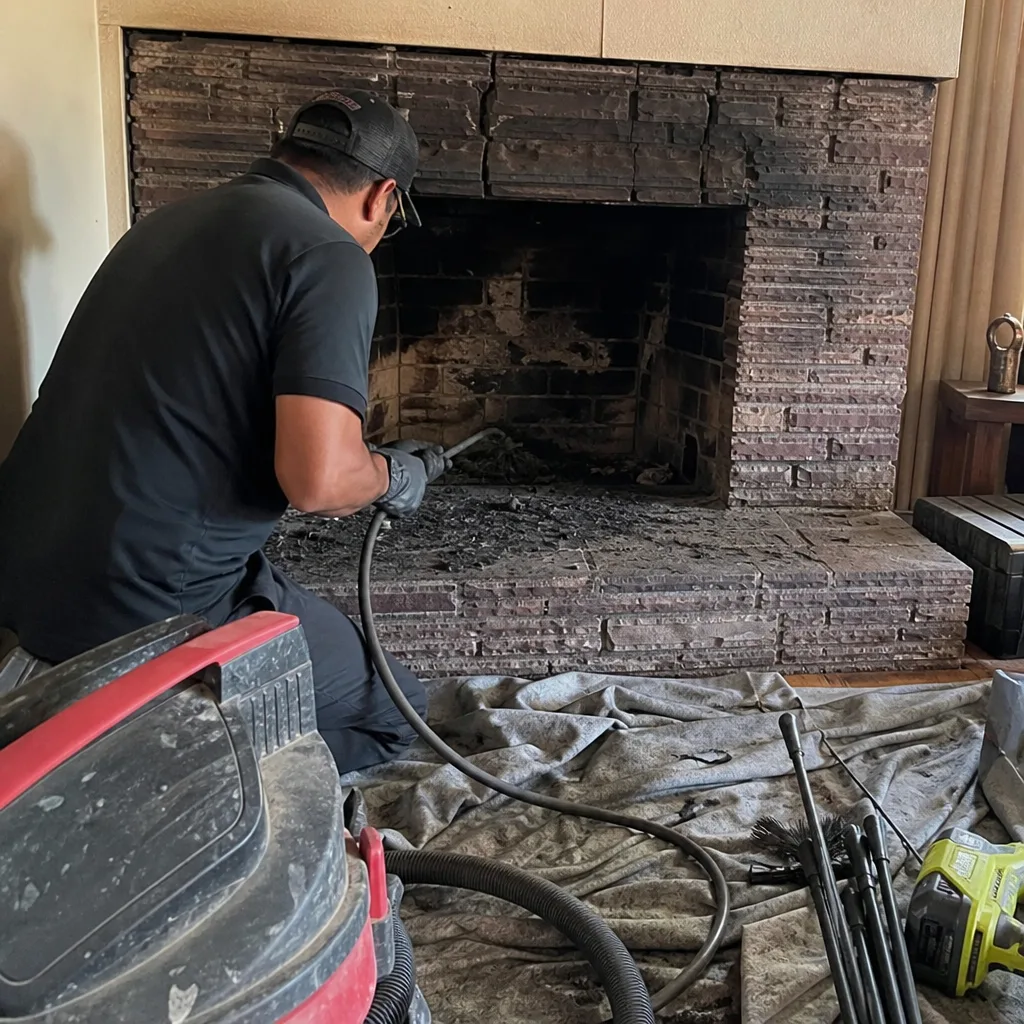 Before
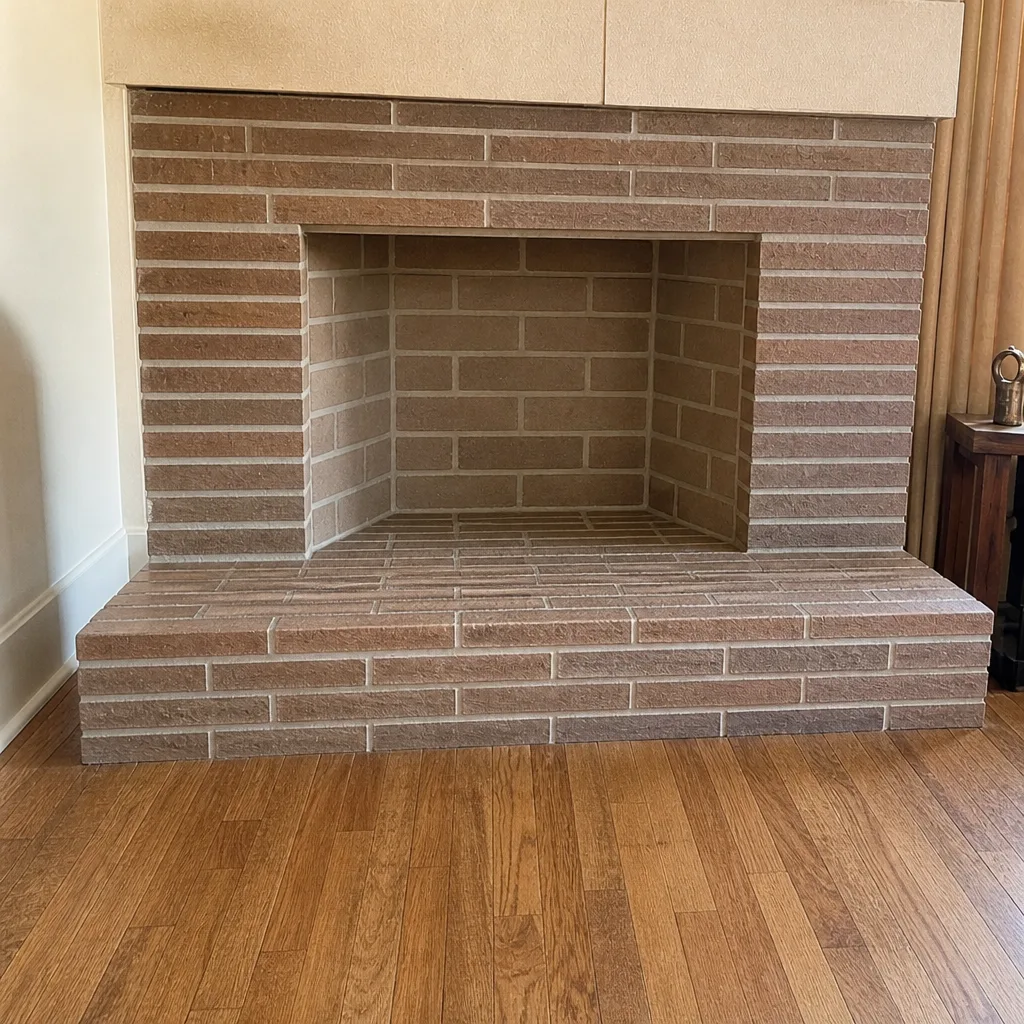 After
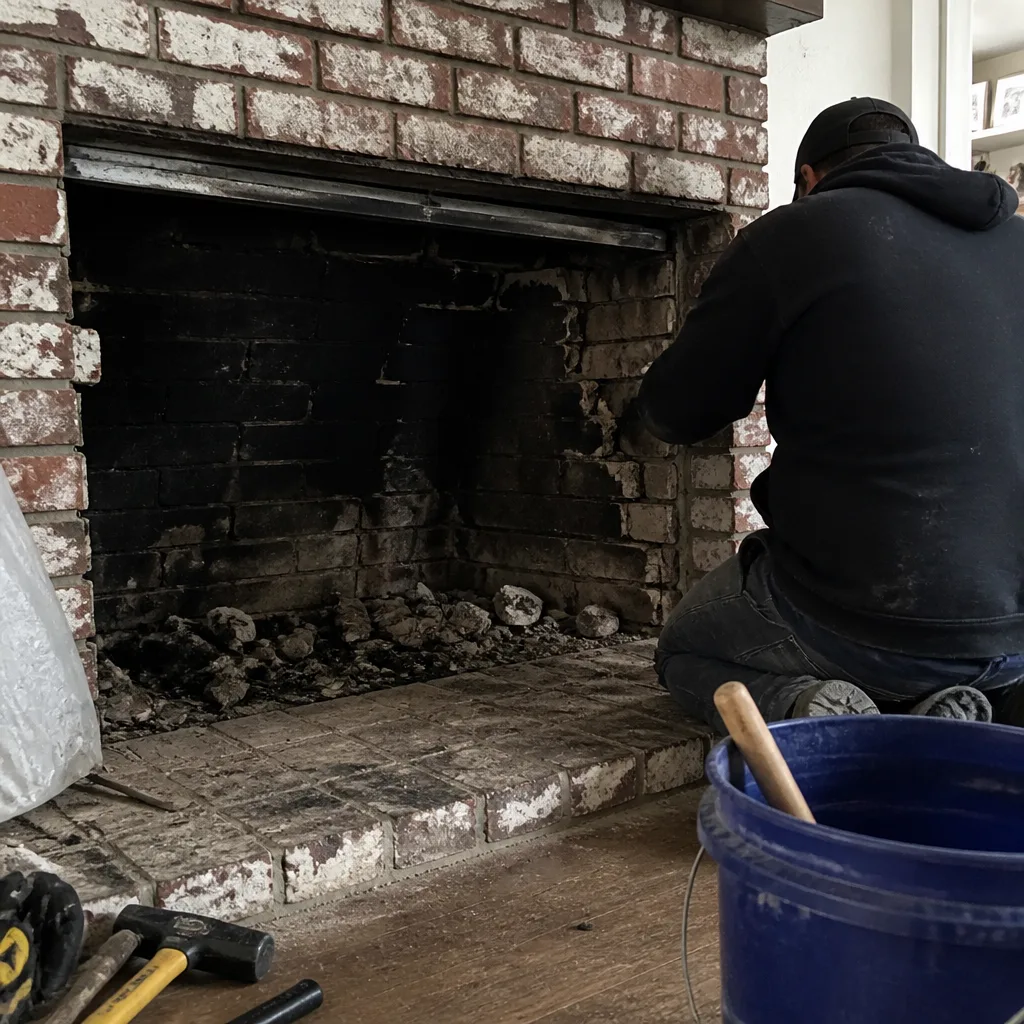 Before
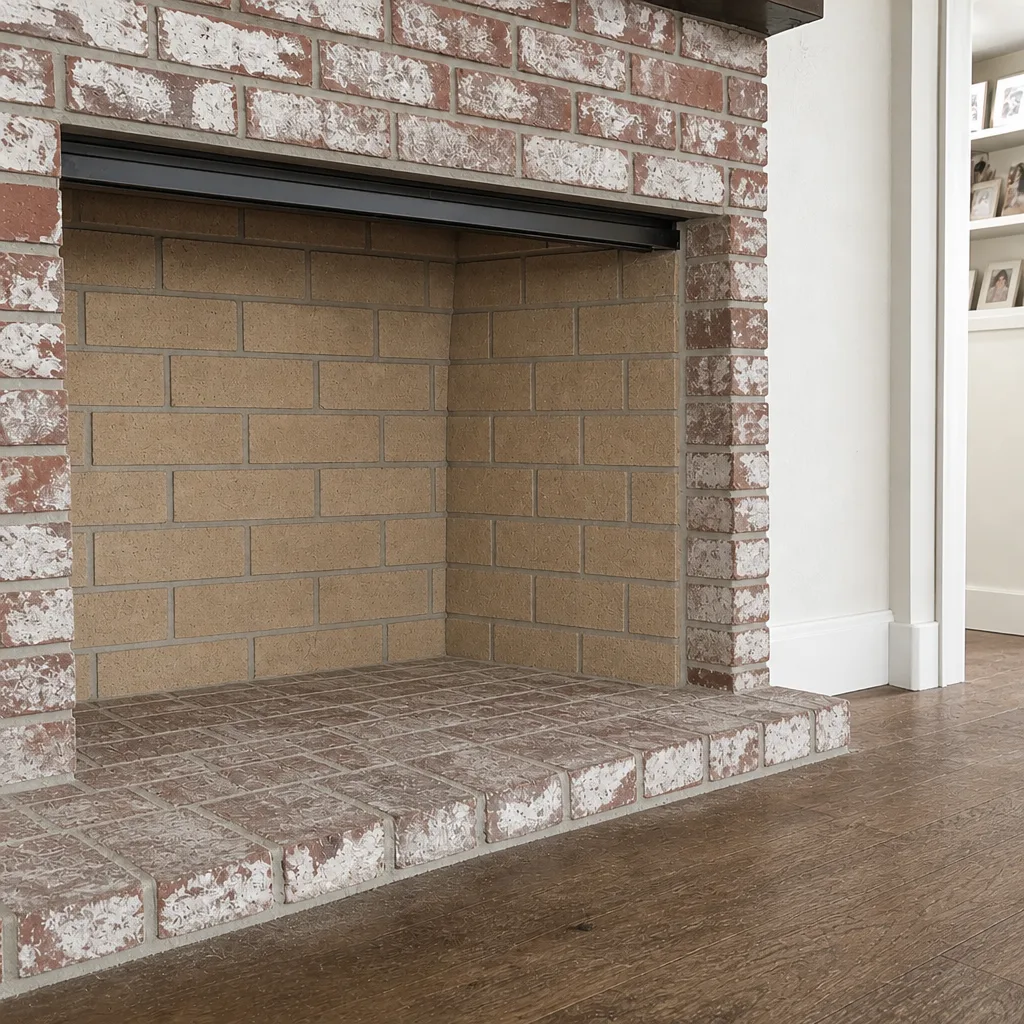 After
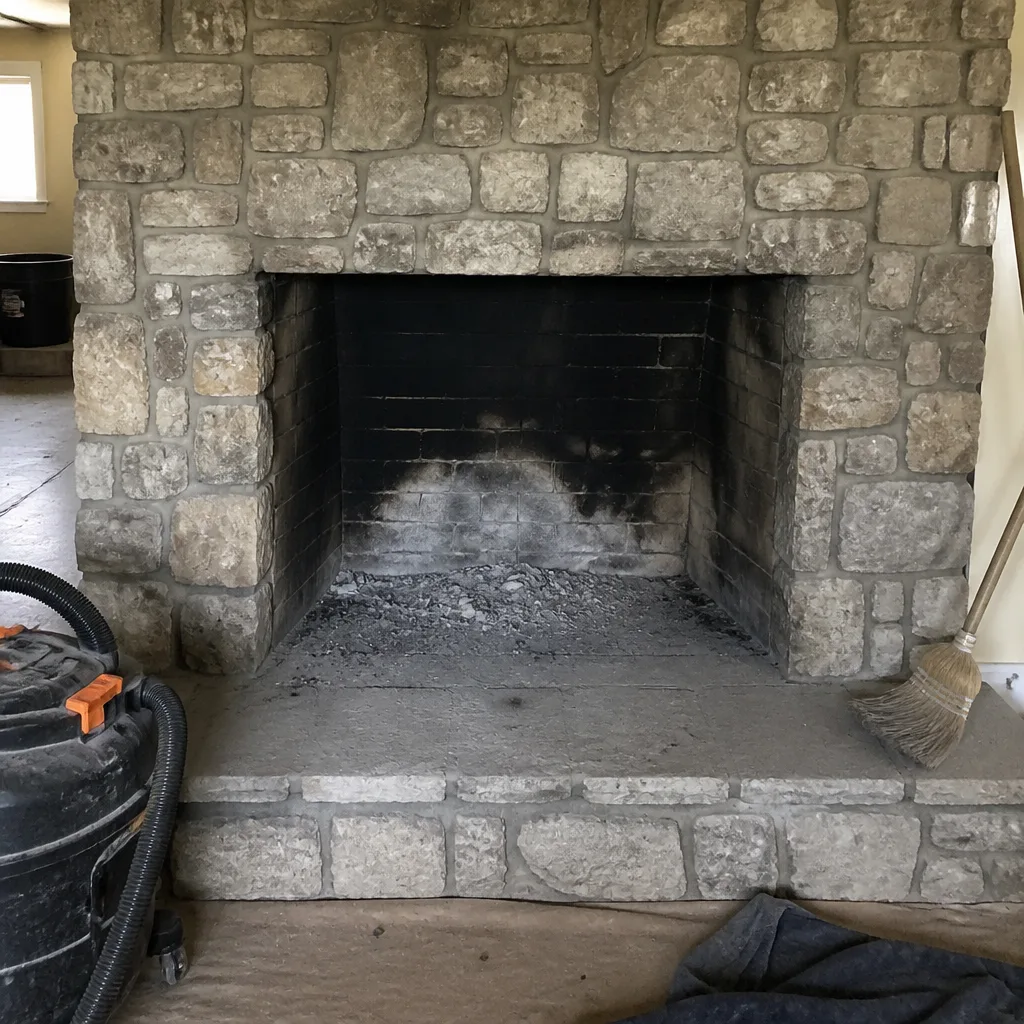 Before
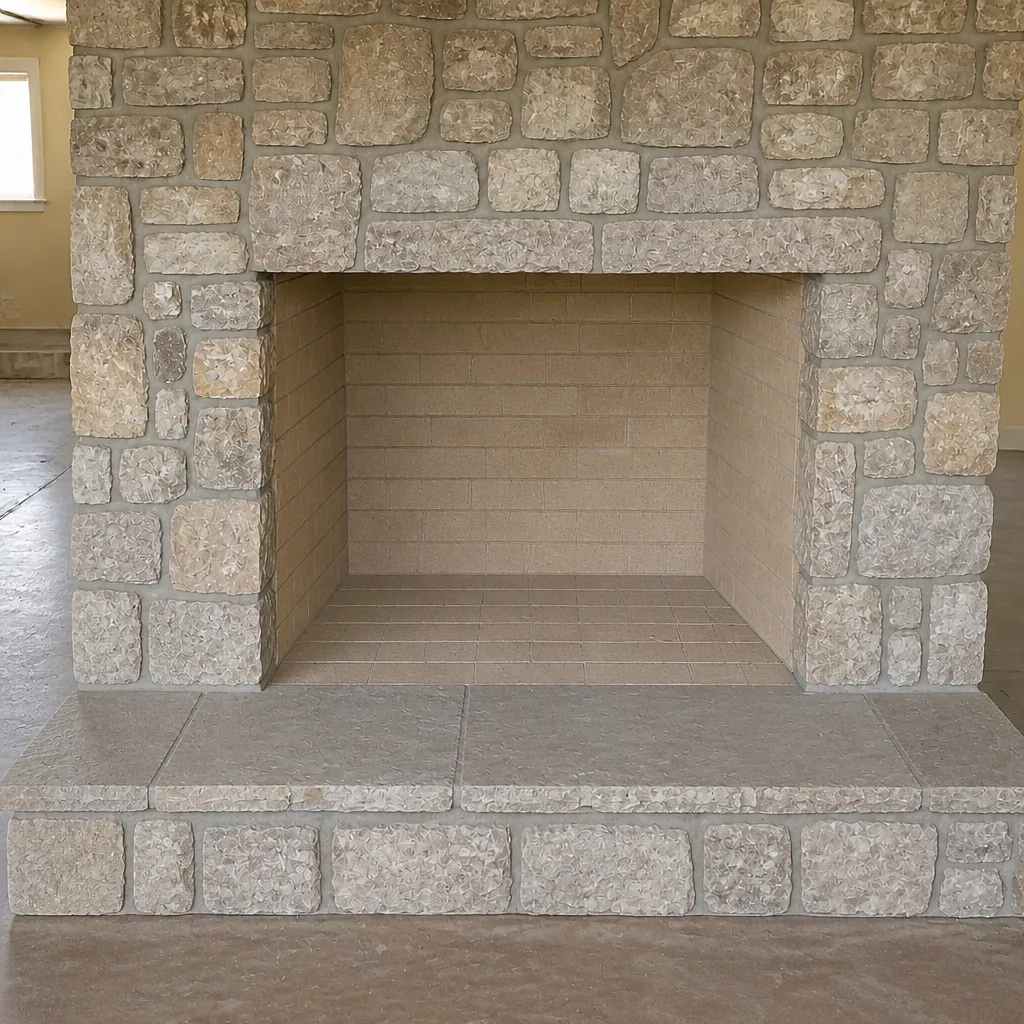 After
When to Call a Professional
Some cleaning can wait for the next scheduled visit. Some signs mean you should call sooner. Call us if smoke rolls back into the room when the fire is lit, if you smell a strong, tarry odor whether or not the fireplace is burning, if you see cracks or crumbling in the firebox or above the damper, if water is coming into the chimney or fireplace, or if the cap or crown looks damaged from the ground. Call before the burn season too, so you have time to make repairs before the first fire. Chimney Sweep Park Santiago offers free estimates in Park Santiago. Call (855) 957-4437. We answer 24/7. Fast dispatch from 7am to 7pm, Sunday through Friday.
Frequently Asked Questions
A standard chimney cleaning in Park Santiago typically runs somewhere in the low-to-mid hundreds of dollars, with the written estimate setting the final price. Cost varies with the number of flues, the appliance type, and whether the inspection turns up repairs. Call (855) 957-4437 for an exact quote. Estimates are free.
A wood-burning fireplace used regularly should be swept annually, and at least once per burn season. Gas and pellet appliances need annual inspection even when they produce less creosote. If you burn heavily or notice draft problems, check even more often.
Only when the inspection shows that the existing liner has cracks, gaps, or other damage that cleaning can’t resolve. A video scan and a written report should show you exactly what the problem is. If the liner is intact, no repair is needed.
Creosote builds up in the flue, smoke chamber, and firebox over time, and it becomes available fuel for a chimney fire. A draft-restricting obstruction or a cracked crown can also go unnoticed. Regular cleaning and inspection catch those conditions before they become expensive repairs.
Yes. A gas fireplace produces less creosote than wood, but the venting still needs to be checked and the firebox cleaned. Soot, debris, and problems with the burner assembly are real concerns that an annual inspection addresses.
Yes, but we’d rather address the damage in the same visit. A broken cap lets water and debris into the flue, which undermines a clean chimney. The inspection tells us the best order of work, and what can safely wait.
The Bottom Line
Chimney cleaning in Park Santiago is a whole-system job. The flue gets brushed, but so do the smoke chamber, the damper shelf, the firebox, and the cap. The inspection that comes with it is what tells you whether the liner, crown, and masonry are sound, and the NFPA 211 inspection levels tell you how deep that check should go. Wood, gas, and pellet appliances each need their own schedule. The Santa Ana winds make draft uneven and creosote accumulation less predictable, so check before the season as well as after. If you want a specialist who works on the whole chimney system, not just the flue, from sweep to repair, one call gets you there. Call (855) 957-4437 for a free estimate.
Written by the team at Chimney Sweep Park Santiago.