
Last updated November 25, 2026
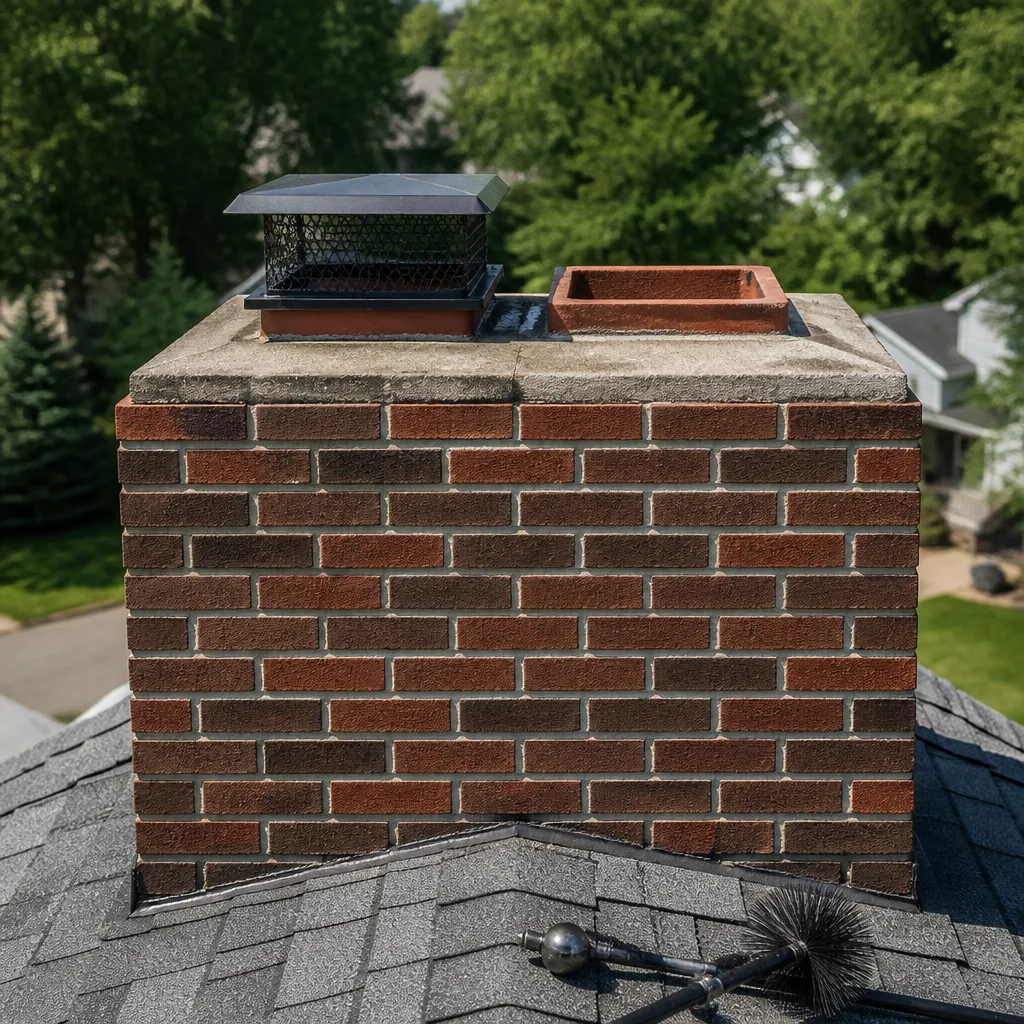 Sweep & inspection
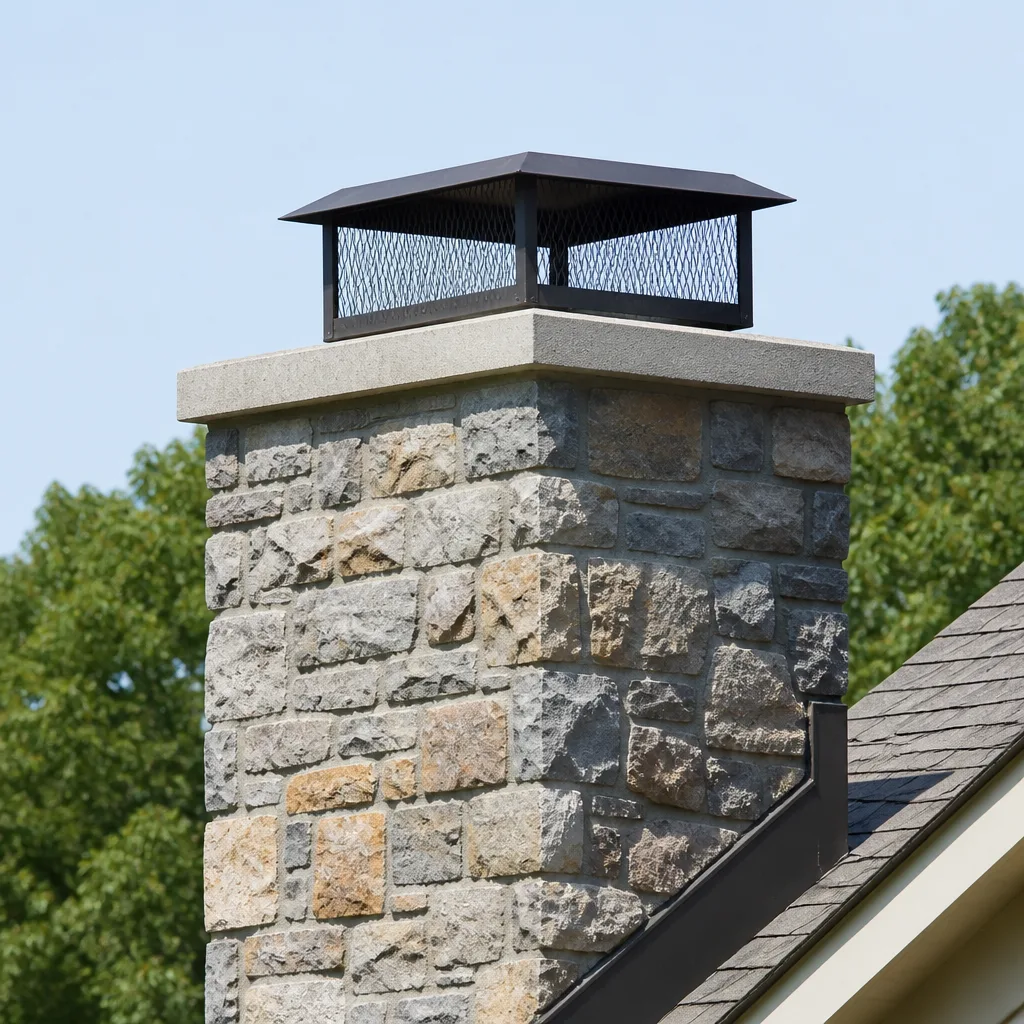 Caps & crowns
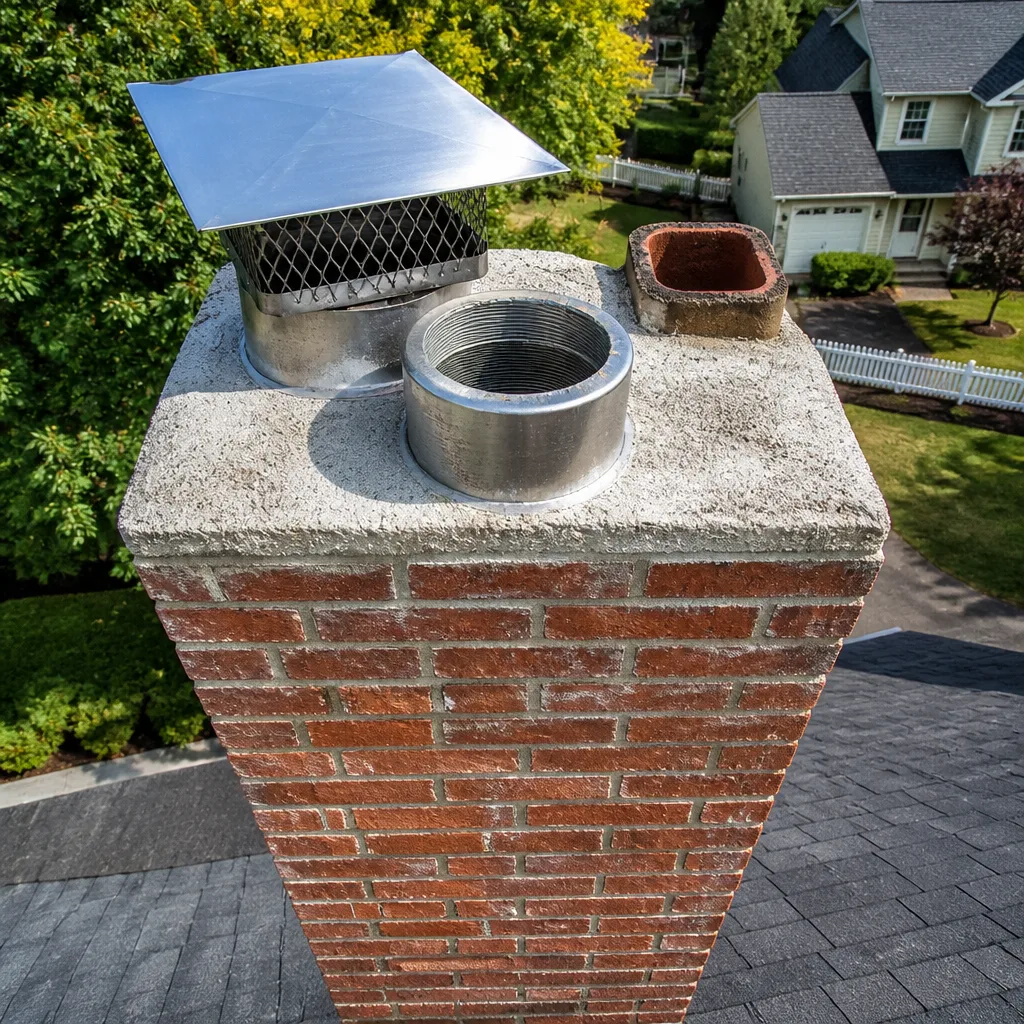 Flue relining
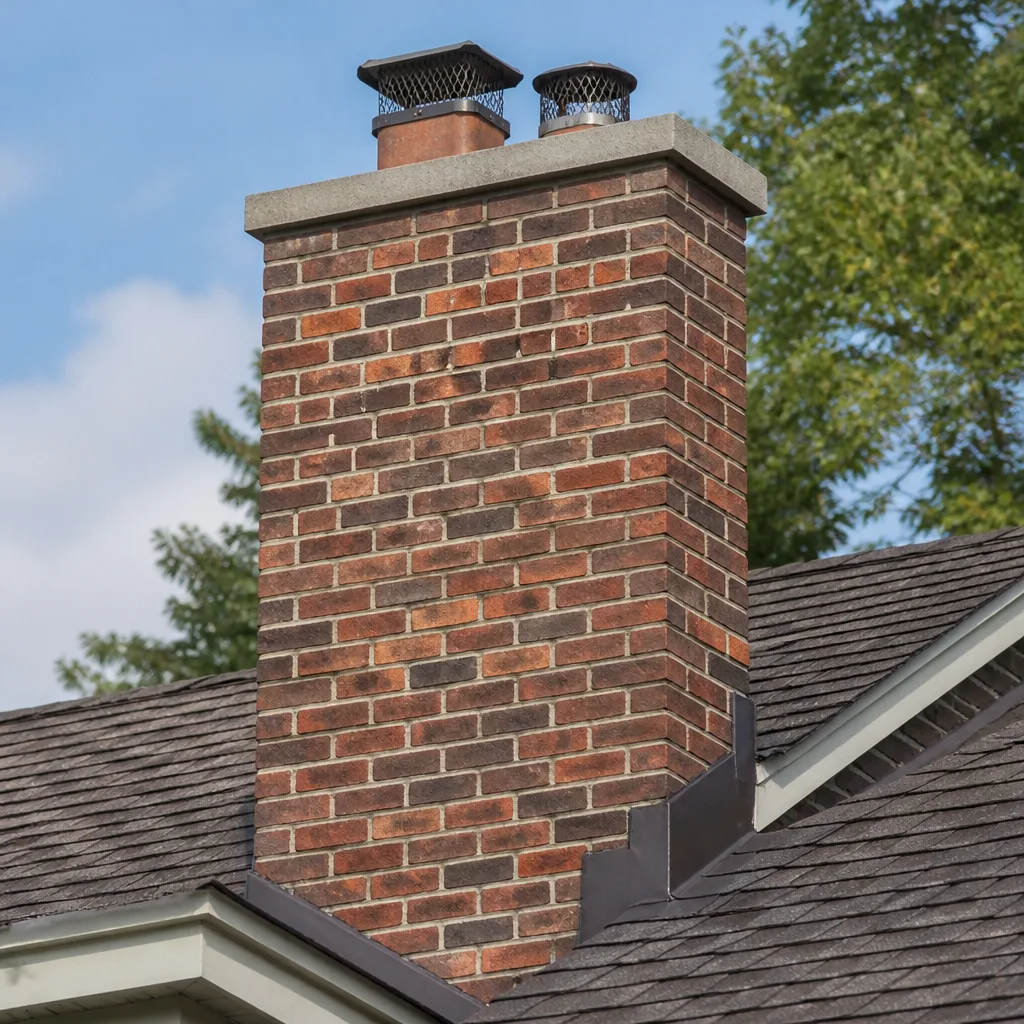 Masonry repair
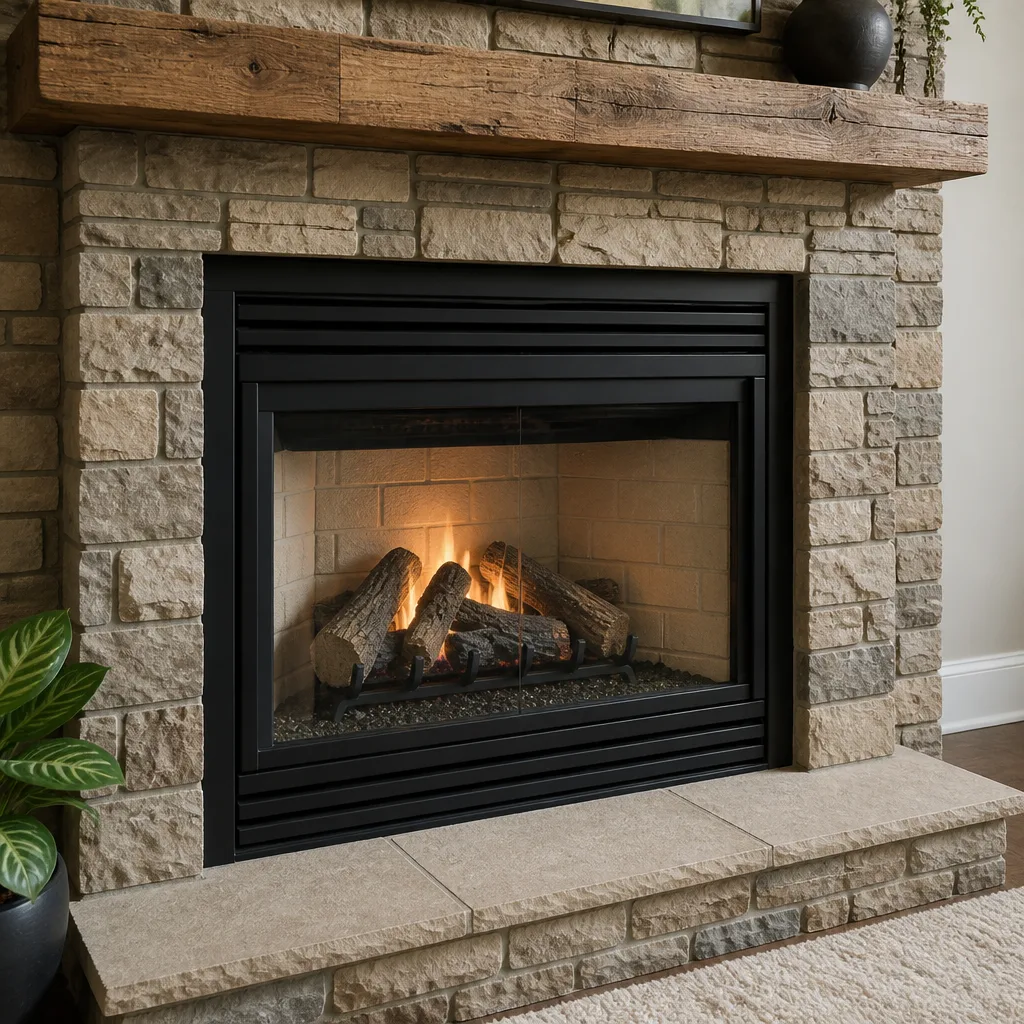 Gas fireplace service
Level 1 sweep and inspection to the NFPA 211 annual standard - flue, crown, cap, and flashing checked and photographed
Chimney sweep logs do not sweep chimneys. They loosen some creosote - which then falls where a brush and vacuum still have to collect it.
Chimney Cleaning Permits, Codes & Inspections in Park Santiago, CA: What You Need to Know
Most people assume the permit question is about the sweep itself. It isn’t. Cleaning a flue is maintenance, and maintenance doesn’t require a permit in California. The permit question shows up later, when a sweep finds a cracked flue liner, a failing crown, or a chimney that’s pulling away from the house, and someone quotes a repair. That’s the moment where Park Santiago homeowners get into trouble, because chimney repair is construction work, and construction work in California has permit and disclosure consequences that follow the house, not the contractor. In this guide we’ll walk through exactly which chimney services trigger permits, how NFPA 211 functions inside California’s code framework, what an inspection report needs to contain for insurance and resale, and how unpermitted work interacts with your disclosure obligations when you sell.
Quick Answer
Chimney cleaning (sweeping) does not require a permit in Park Santiago or anywhere in California. Chimney repair, liner replacement, cap and crown reconstruction, and any structural masonry work usually do require a permit from the local building department, because they fall under the California Building Code and locally adopted amendments. Inspections fall under NFPA 211, which California references as the standard for chimney condition and clearance, and a proper Level 2 report documenting that standard is what insurers and buyers look for.
Styles & brands we work with
- Sweep & inspection
- Caps & crowns
- Flue relining
- Masonry repair
- Gas fireplace service
Table of Contents
- Which chimney services need a permit in Park Santiago?
- How NFPA 211 works inside California inspections
- What a Level 2 inspection report must document
- Wood-burning rules and air quality management in Park Santiago
- Unpermitted work and California Civil Code 1102
- Sweeping vs. repairing: where the line sits
- Why materials and brand specs matter for code compliance
- Common mistakes to avoid
Which chimney services need a permit in Park Santiago?
Sweeping, inspection, and minor fireplace component swaps generally don’t need a permit. Structural chimney repair, liner replacement, crown reconstruction, and any work that changes the chimney’s footprint or height almost always do. The dividing line is whether the work alters the structure, the flue system, or the fire separation between the chimney and the house.
Here’s how that splits out in practical terms for a Park Santiago home:
- No permit typically required: a standard chimney sweep, a Level 1 or Level 2 inspection, a damper replacement, a spark arrestor swap, a cap replacement where the existing crown is sound.
- Permit typically required: flue liner replacement, HeatShield ceramic resurfacing where the flue’s structural integrity is in question, crown rebuild, masonry repointing above a certain scope, chimney chase reconstruction, and any repair that involves removing and resetting brick.
- Always permitted: converting a wood-burning fireplace to gas, adding a new chimney or flue, and any change to the chimney’s height or termination.
The reason this matters in Park Santiago specifically is the housing stock. Many of the neighborhoods around Santiago Park and the streets feeding into it were built in an era when chimney construction used clay tile liners with minimal clearance detail documented. When a sweep finds a cracked tile, the repair isn’t a like-for-like swap. It’s a code-scope repair, and the local building department will want to see it. Ask the contractor directly, before work begins, whether they intend to pull a permit. If the answer is vague, that’s your signal.
How NFPA 211 works inside California inspections
NFPA 211 isn’t just an industry guideline in California. It’s the referenced standard that inspectors, insurers, and building departments use to evaluate whether a chimney is in safe condition. When a California inspection report cites “NFPA 211 compliance,” it’s referencing a specific set of requirements about clearances, flue integrity, termination height, and venting that the chimney either meets or doesn’t.
That distinction matters because homeowners sometimes hear “NFPA 211” and assume it’s a loose recommendation. It isn’t. It’s the document a professional inspector uses to determine whether your chimney is safe to use. If the report says your chimney doesn’t meet the standard, the fixes are identifiable and specific: clearance reductions, liner integrity fails, termination height deficiencies, or crown and cap conditions that allow water and animals in.
What a proper NFPA 211 evaluation includes:
- Verification of clearances to combustibles at the chimney’s exterior and where it passes through the roof or walls.
- Flue interior inspection for cracks, gaps, and tile spalling at each flue’s accessible length.
- Termination height verification against the standard for the roof pitch.
- Evaluation of the crown, cap, and spark arrestor for condition and function.
- Draft verification and confirmation that the flue matches the appliance it serves.
- Documentation of any fireblocking or structural attachment deficiencies.
In our experience working Park Santiago chimneys, the most common NFPA 211 finding isn’t dramatic. It’s a flue that’s a size too large for the appliance, a crown with a hairline crack, or a cap that’s rusted through. Small findings, but each has a code consequence if left unaddressed and a sale or insurance review comes up later. Our technicians have up to 8 years of experience reading those findings on Park Santiago chimneys and explaining exactly which is a safety issue, which is a maintenance item, and which can wait.
What a Level 2 inspection report must document
A Level 2 inspection is the standard inspection triggered by a home sale, a fuel-type change, an appliance replacement, or an event like a chimney fire. In Orange County real estate transactions it’s the level insurers and buyers expect, and the report has to document more than a visual walkthrough.
Here’s what a Level 2 report should contain to satisfy a resale or insurance review:
- An inspection of all accessible portions of the chimney’s interior and exterior, including the attic and crawl space where the chimney passes through.
- Documentation of the flue’s condition, with the method of inspection stated (video scan or visual).
- Clearance measurements to combustibles at every accessible location.
- Findings on the crown, cap, flashing, and termination.
- Photographic or video evidence of each finding, not just a summary line.
- A signed statement of NFPA 211 compliance status.
- A list of deficiencies ordered by severity, distinguishing immediate safety concerns from maintenance items.
The last point is the one Park Santiago homeowners should focus on. A report that lists every finding without categorizing them is a sales tool, not a condition report. A useful report tells you clearly what’s unsafe now, what’s a next-season project, and what’s fine. That’s the standard we hold ourselves to when we perform a standalone inspection; it’s offered as its own service, not just as a gateway to a repair quote. You get the truth about the chimney’s condition first, and then decide what you want to do about it. The local professional we connect you with is licensed and insured as their state requires, and the report is theirs to stand behind.
Wood-burning rules and air quality management in Park Santiago
Wood-burning appliances in Park Santiago are subject to air quality rules that go beyond the building code. The South Coast Air Quality Management District regulates when and what you can burn, and those rules operate independently of any building permit. They affect how the fireplace is used, not how it’s constructed, but they come up during inspections because appliance type and burn behavior are part of the evaluation.
What Park Santiago homeowners should understand:
- Air quality rules govern burn days and burn restrictions, and they apply to Park Santiago fireplaces regardless of the chimney’s condition.
- An open fireplace is subject to different rules than a certified wood insert or a gas appliance.
- If you’ve converted or are considering converting to gas, that conversion is a permitted alteration and also changes the appliance classification for air quality purposes.
- If you’re adding or replacing an insert, the appliance itself has to be a compliant model, and the installation has to meet the flue and clearance requirements under NFPA 211.
The practical point: an inspection report should tell you whether your appliance and flue are correctly matched and code-compliant. If your fireplace is original to a mid-century Park Santiago home and you’re still burning an open hearth, the report should reflect that classification. If you’ve had an insert added at some point, that history matters, particularly when a home sale is coming.
Unpermitted work and California Civil Code 1102
California Civil Code 1102 requires a seller to disclose material facts about the property’s condition, and that includes unpermitted construction. Unpermitted chimney repair is a material fact. If you’ve had liner work, a crown rebuild, or any structural repair done without a permit, you’re exposed on two fronts: the disclosure itself, and the insurer’s ability to deny a claim on the work.
Here’s how the exposure plays out:
- Disclosure: Under Civil Code 1102, you’re obligated to disclose known material facts that affect the property’s value or desirability. Unpermitted chimney work qualifies.
- Insurance: Many policies will decline coverage on a loss that traces to unpermitted or non-code-compliant work, particularly when a chimney fire or carbon monoxide event is involved.
- Resale: A buyer’s inspector typically finds unpermitted work quickly, and the cost of reopening and re-inspecting a completed repair is higher than pulling the permit in the first place.
- Retroactive permitting: Unpermitted work can sometimes be retroactively permitted, but it requires inspection of the existing condition and correction of any deficiencies that fail.
The clean answer is to make sure permits are pulled as needed and that the final inspection is signed off. In our experience, the work that gets skipped on permits is the work that’s hardest to see: hidden liner work, crown repairs under new flashing, and structural ties at the roofline. Those are exactly the items that come up in a buyer’s inspection. We work alongside local building departments when permits are required on Park Santiago jobs and make sure the documentation trail matches the work done.
Sweeping vs. repairing: where the line sits
A sweep is maintenance and typically doesn’t need a permit. A repair is a construction scope and often does. The line between the two depends on whether the chimney’s structure, flue system, or fire separation changes. Knowing where the line sits helps you have a straightforward conversation with whoever does the work.
Consider these scenarios:
- A sweep finds a light glaze of soot on an intact flue: cleaning only, no permit.
- A sweep finds a hairline crack in a flue tile, no displacement: the repair is a heat-treated ceramic resurfacing, and whether it needs a permit depends on the local building department’s scope threshold. Ask.
- A crack with a displaced tile, or a missing flue tile: that’s structural liner work, and it’s almost always a permitted scope.
- A crown with a crack and rusted cap: a cap and crown replacement is a scope item, and depending on the extent of the crown rebuild, a permit is often required. If you need cap or crown work, you’ll find details on the chimney cap & crown page.
- Fireplace firebox cracking or refractory damage: a fireplace repair, which may be code-scope depending on the material and method. The fireplace repair page covers when repair is structural and when it’s a surface restoration.
The thing to watch for in Park Santiago is a contractor who agrees to do structural work without a permit because the homeowner asked for a quicker path. That’s not a shorter path. It’s a longer one that surfaces at resale.
Why materials and brand specs matter for code compliance
A permit’s final inspection checks the work against the materials spec and the installation standard, and brand matters because a product that’s engineered and listed for the application makes the inspection pass. A hardware-store substitute may not.
On Park Santiago liner and resurfacing jobs, we spec the materials explicitly, in writing. HeatShield ceramic resurfacing is a listed method for restoring a flue’s interior surface without full demolition, and it’s a cost-effective alternative to pulling and replacing a liner when the tile is intact but the surface is compromised. DuraFlex liner systems are spec’d when a full liner replacement is the right answer and long-term flue integrity is the goal. For caps and crowns we work with Olympia Chimney, Famco, and Gelco, and match the product to the chimney’s dimensions and the local wind load. A DIY or cut-rate cap that doesn’t seal at the correct clearance is a recurring cause of water intrusion and animal entry.
Here’s what to look for on a repair quote:
- The product name is specified, not just “a new liner.”
- The installation standard (NFPA 211, manufacturer’s listing) is stated.
- The permit is included in the scope, or the quote explicitly says one isn’t needed and why.
- The final inspection is listed as part of the job, and the documentation goes to you, not just the contractor.
A quote that simply says “chimney repair” doesn’t tell you whether the material and installation will pass the inspection that the permit requires. Ask for the specifics in writing. If you’d like a straight answer on the full chimney system, not just the flue, our team can walk you through what’s specified, what’s required, and what can responsibly wait.
Common Mistakes to Avoid
- Assuming the sweep handles the permit. The sweep doesn’t need one. The repair might. Ask the contractor specifically about permit scope before any structural work starts.
- Skipping the inspection report to save time. In Park Santiago, a Level 2 inspection is what an insurer or buyer will ask for during a sale. Skipping it just moves the cost to closing.
- Letting structural work get done without a paper trail. Liner and crown repairs that don’t appear in a permit record are exactly the items a buyer’s inspector will flag. Retroactive permitting can cost more than the original permit.
- Filing a Civil Code 1102 disclosure without a report. If you’re selling and you know the chimney had work done, the disclosure should be backed by an inspection report. Guessing at the condition of the chimney is how disclosure problems begin.
- Buying a cap from a hardware store and calling it done. The cap has to match the flue’s circumference and seal properly. Generic caps that sit loose on the crown let water and animals in and fail the standard during inspection.
- Using a generalist who quotes an NFPA 211 report without a video scan. A visual-only “Level 2” isn’t one. The standard requires interior access through the accessible portions of the flue.
- Ignoring air quality rules because the chimney is “just a fireplace.” A Park Santiago fireplace is subject to burn-day rules regardless of its condition. If you’re planning to use it regularly, know what the current restrictions are.
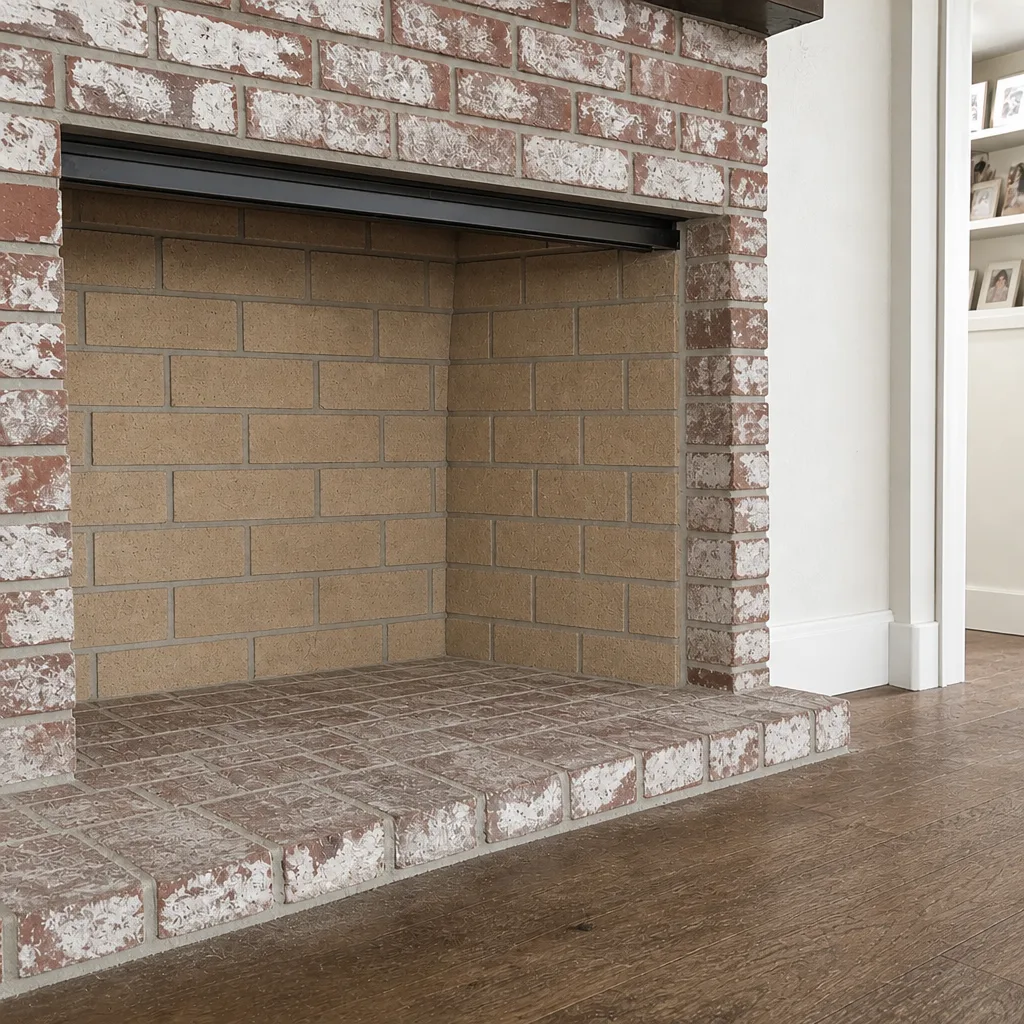
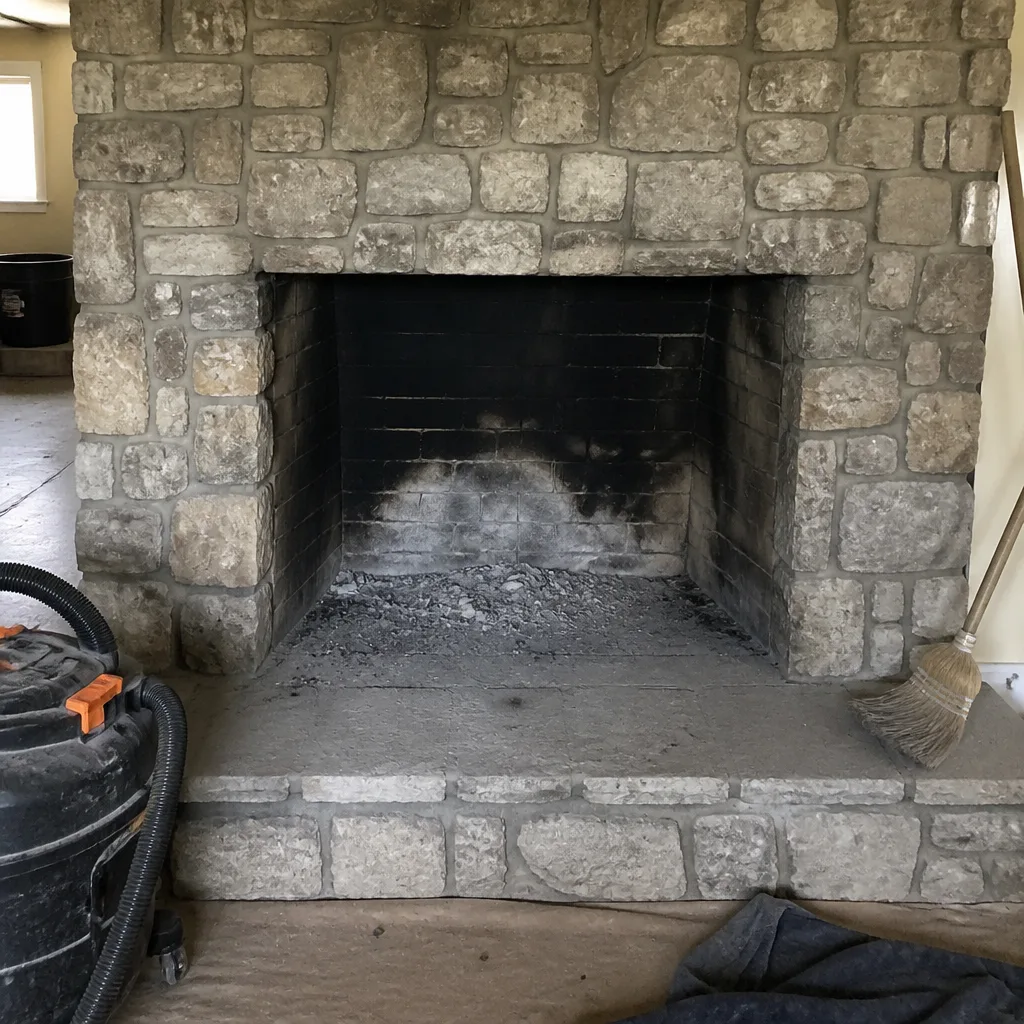
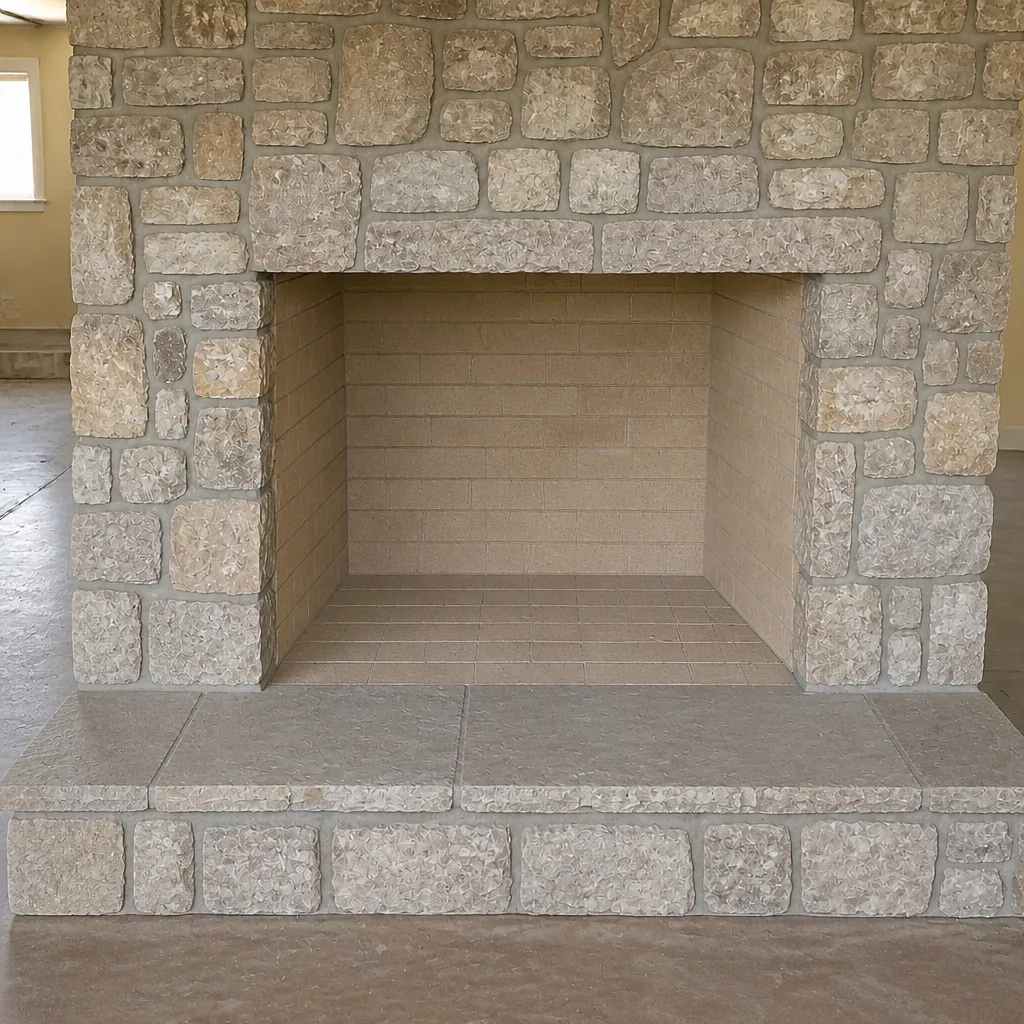
See the difference
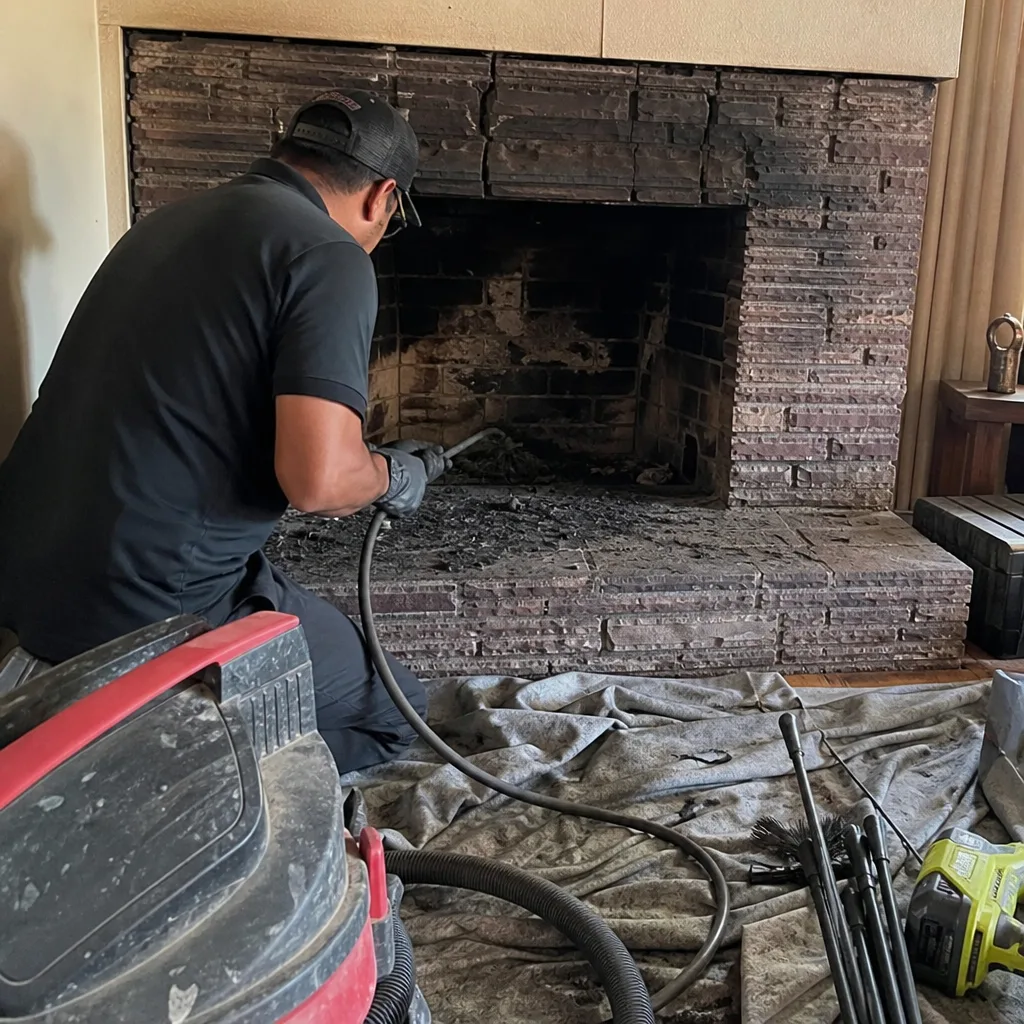 Before
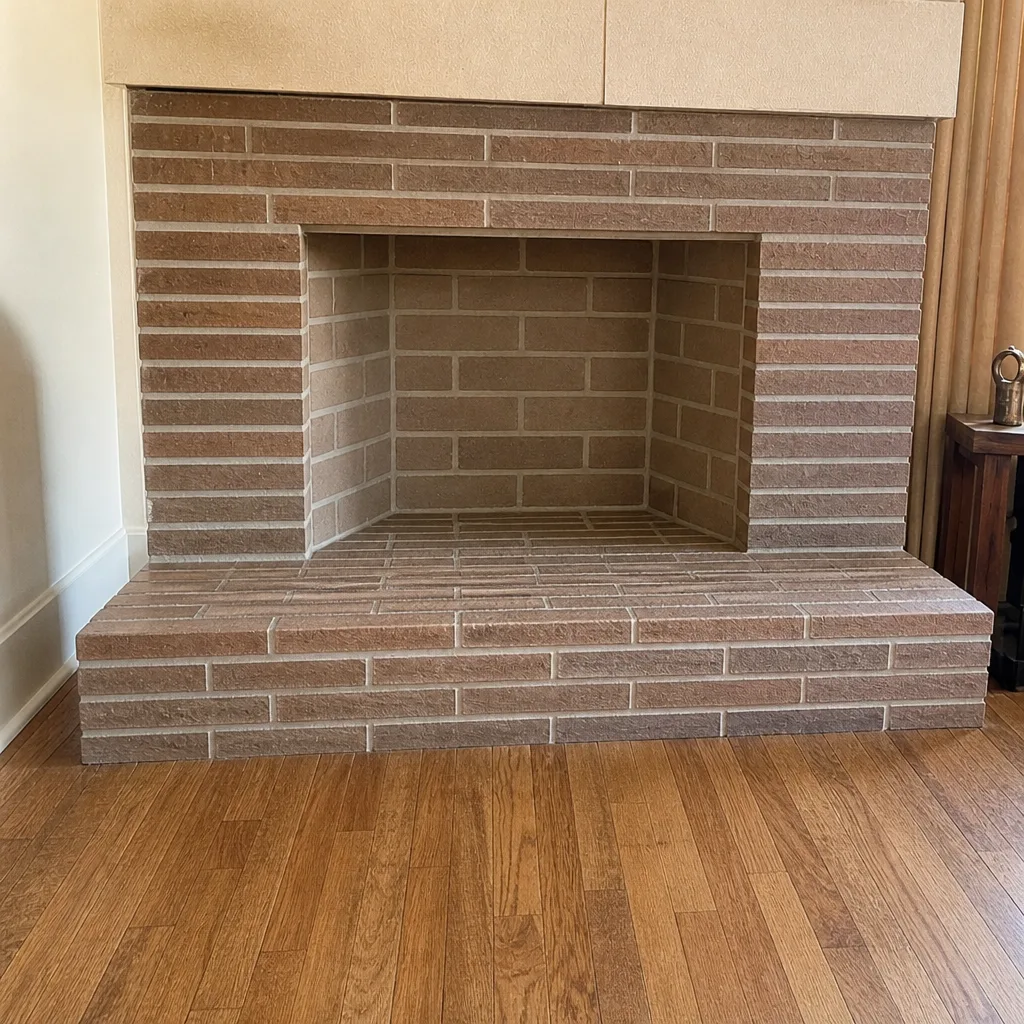 After
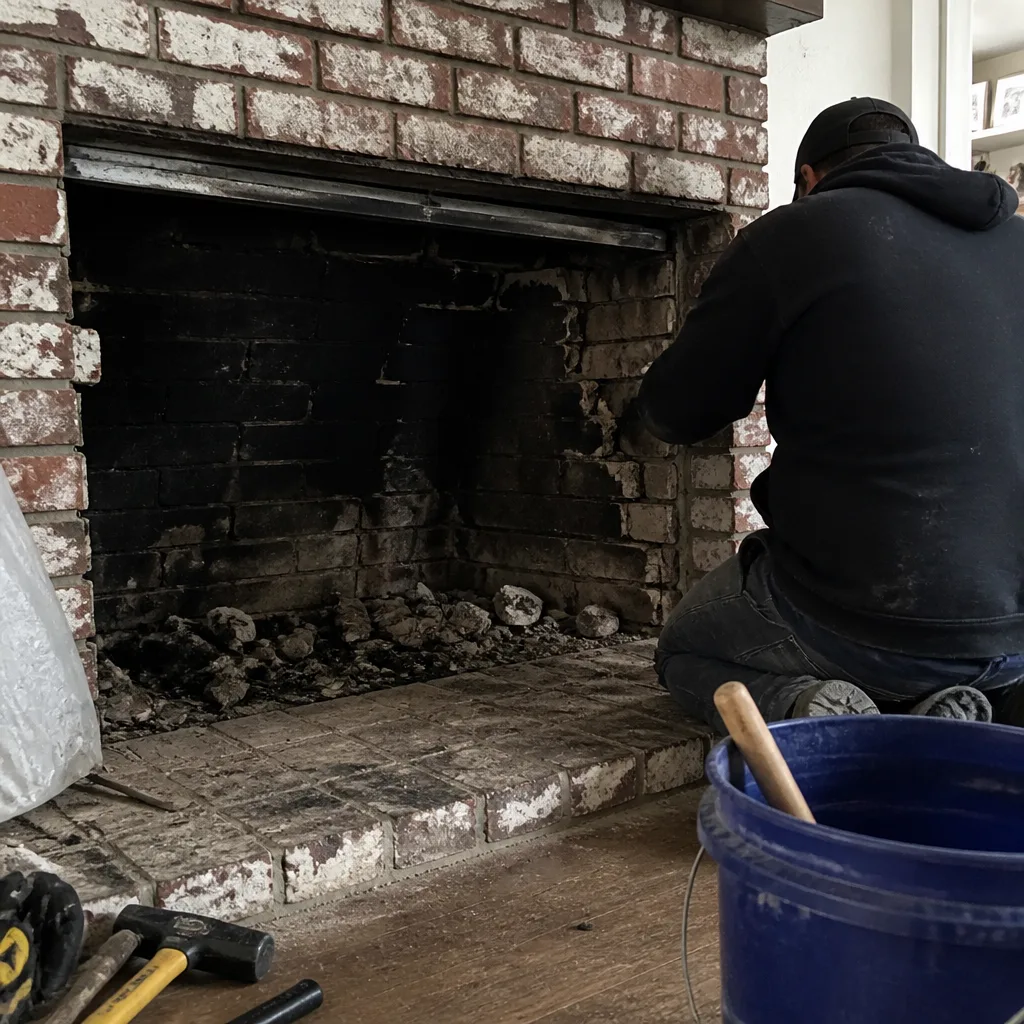 Before
 After
 Before
 After
When to Call a Professional
Call a professional if any of these apply: you’re buying or selling a Park Santiago home and the chimney hasn’t been inspected since the last transaction; a sweep told you the flue needs repair and you haven’t seen the evidence yourself; your chimney has visible cracking at the crown, loose flashing, or a cap that’s rusted or missing; your fireplace smokes into the room, which points to a draft or flue size problem; or you’ve had a chimney fire, even a small one. You should also call if unpermitted chimney work shows up in your home’s history and you want to know its actual condition before a sale.
Chimney Sweep Park Santiago offers free estimates in Park Santiago. Call (855) 957-4437. We answer 24/7. Fast dispatch from 7am to 7pm, Sunday through Friday. Everything we recommend is backed by camera evidence you can see for yourself, and the written estimate sets the price.
Frequently Asked Questions
No. Chimney cleaning, meaning a sweep and a standard inspection, does not require a permit in Park Santiago or anywhere in California. A permit becomes relevant only when the work crosses into repair, liner replacement, crown reconstruction, or a structural scope. Call (855) 957-4437 for an exact quote on the inspection or sweep – estimates are free.
Yes, a chimney liner replacement typically requires a permit in California because it’s a structural scope under the California Building Code and locally adopted amendments. The permit ensures the installed liner is inspected for listing, clearance, and termination compliance. Your local building department sets the exact scope threshold; ask before work begins. Call (855) 957-4437 for an exact quote on liner and resurfacing options.
NFPA 211 is the standard California inspectors, insurers, and building departments reference when evaluating chimney condition and clearances. It covers flue integrity, clearances to combustibles, termination height, and venting. A report that cites NFPA 211 compliance status is what an insurer wants to see. Call (855) 957-4437 to schedule a standalone inspection.
A Level 2 report after a Park Santiago home sale should document the interior and exterior of the chimney, clearance measurements, flue condition with a stated inspection method, crown and cap findings, photographic or video evidence, and a signed NFPA 211 compliance statement. A summary-only report that lacks those elements typically fails an insurer’s review. Call (855) 957-4437 for a standalone inspection.
Unpermitted chimney repair is a material fact under California Civil Code 1102, which means the seller has to disclose it. It also creates a question for the insurer about coverage, and a buyer’s inspector will typically find it. The safe path is to permit the work and keep the final inspection documentation. Call (855) 957-4437 to talk through what’s permitted and what isn’t.
Yes. Park Santiago is under the South Coast Air Quality Management District’s wood-burning rules, which govern burn days and burn restrictions. Those rules apply regardless of the chimney’s condition. If you’re planning to use the fireplace regularly, check the current burn status on the district’s site. Call (855) 957-4437 for a chimney inspection before the next burning season.
The Bottom Line
Chimney cleaning in Park Santiago doesn’t need a permit. Chimney repair often does, and that single distinction is where most of the trouble at resale and insurance comes from. NFPA 211 is the standard your inspection is measured against, a Level 2 report should document that standard with evidence you can see, and unpermitted work is a material fact you have to disclose under Civil Code 1102. The right way through is straightforward: get the inspection, get the report, ask about the permit before structural work begins, and spec professional-grade materials that pass final inspection. We work on the whole chimney system for Park Santiago homeowners, from sweep to repair, and we’re glad to walk you through the code side of any job before you commit. Call (855) 957-4437 for a free estimate.
Written by the team at Chimney Sweep Park Santiago.