
Last updated November 25, 2026
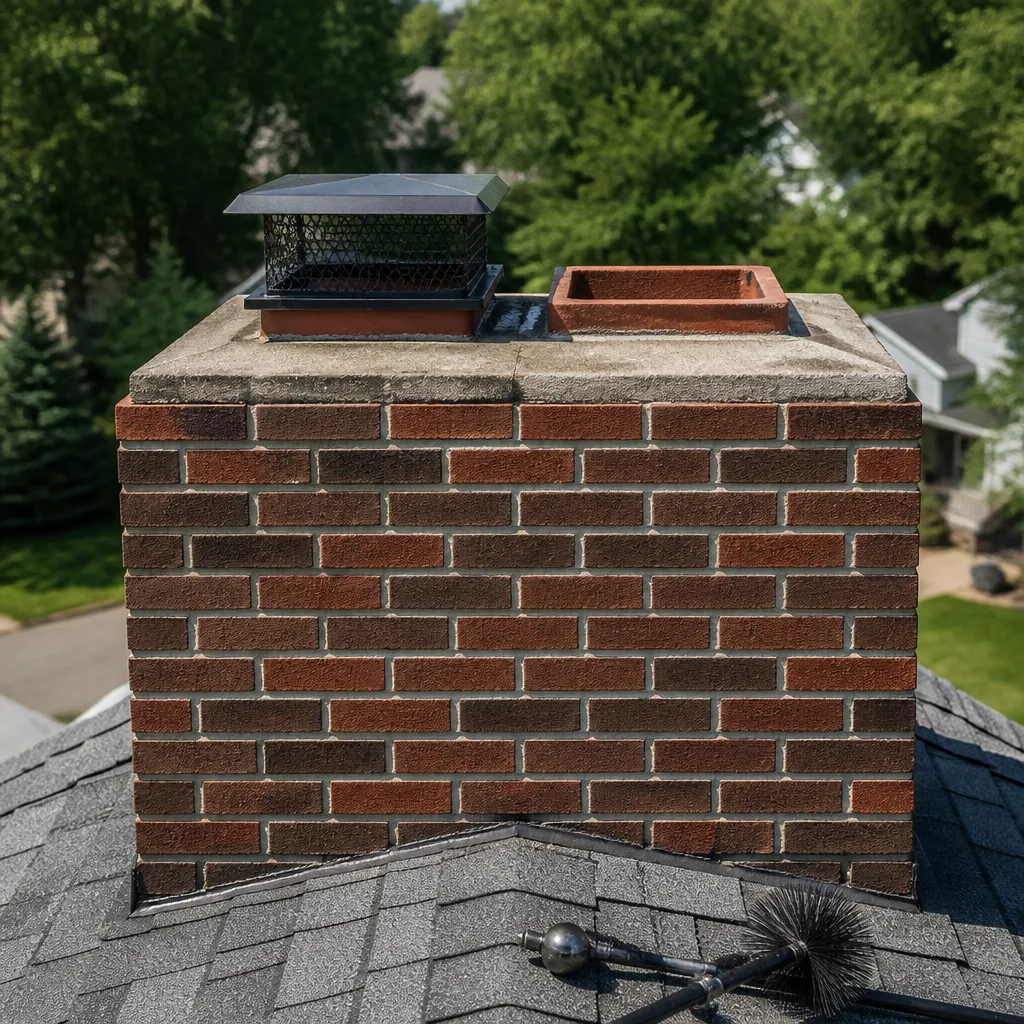 Sweep & inspection
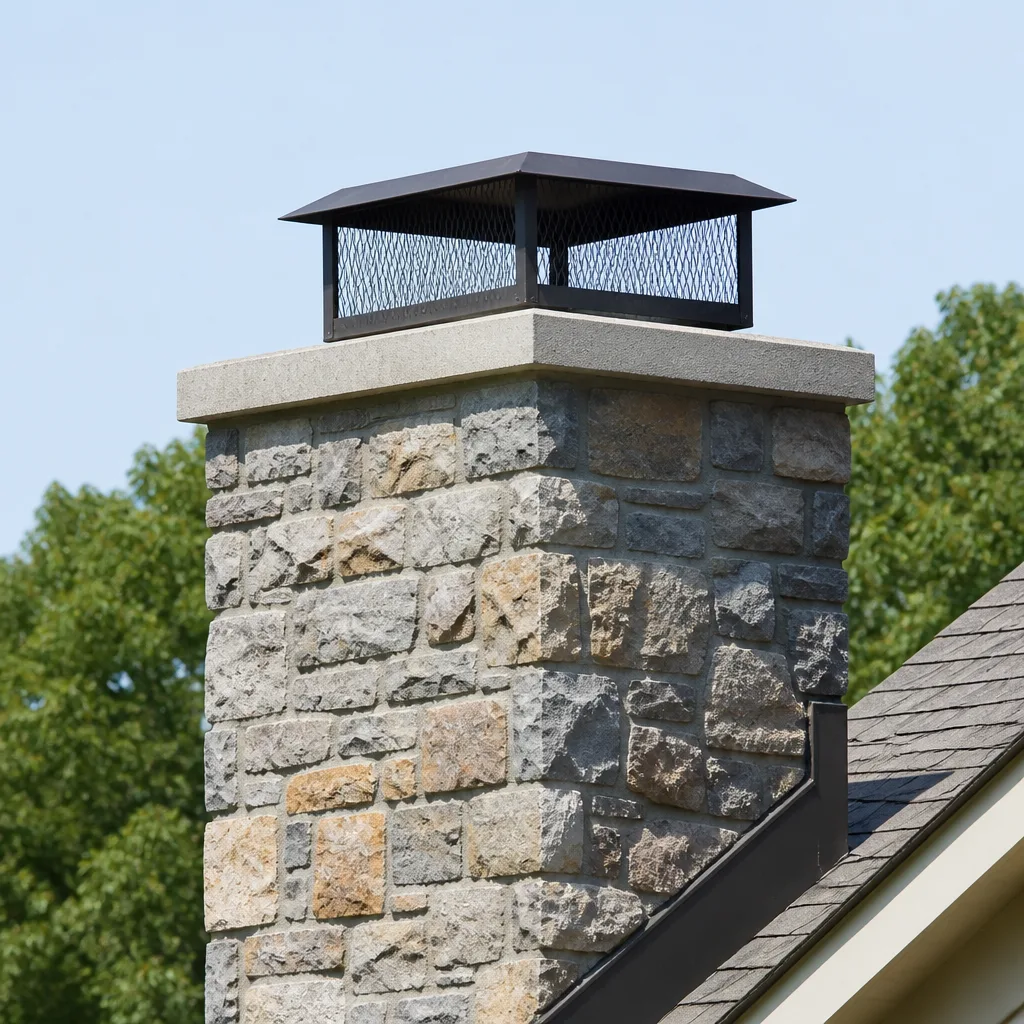 Caps & crowns
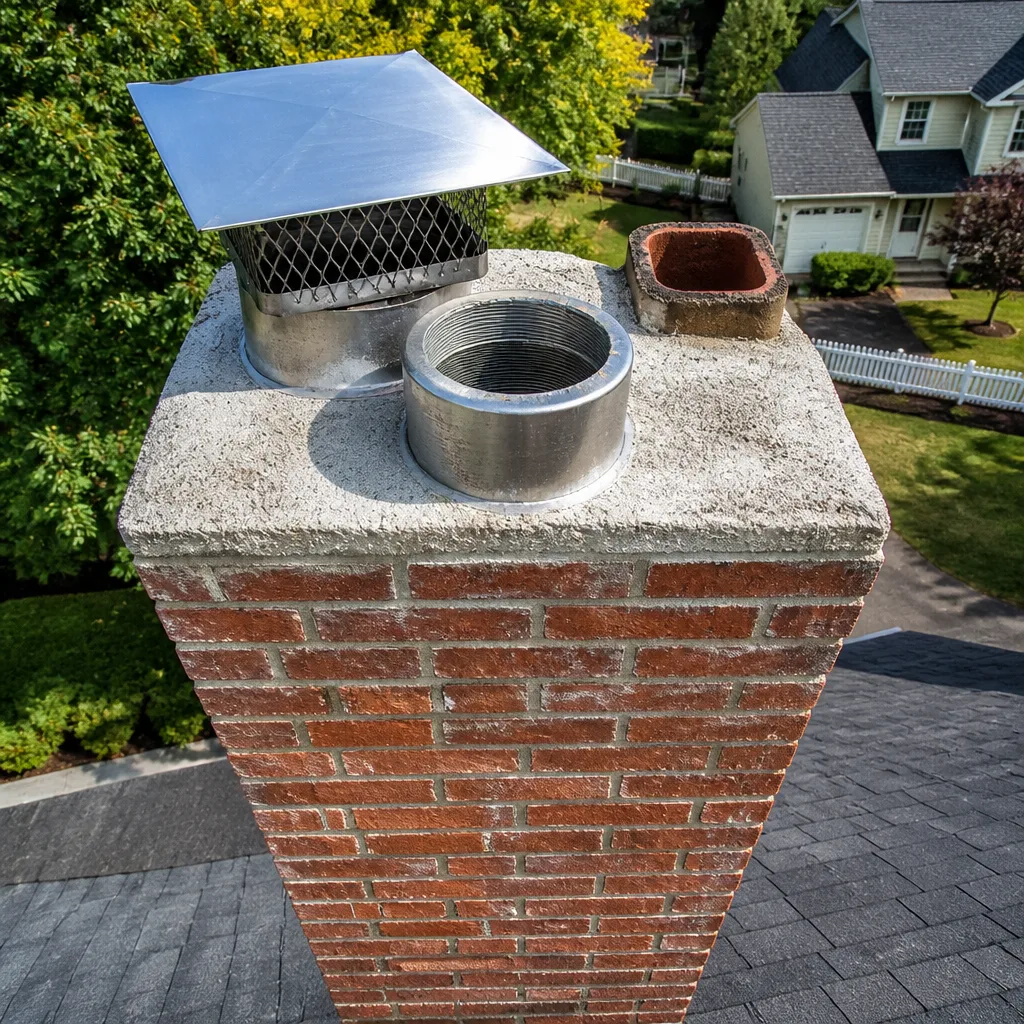 Flue relining
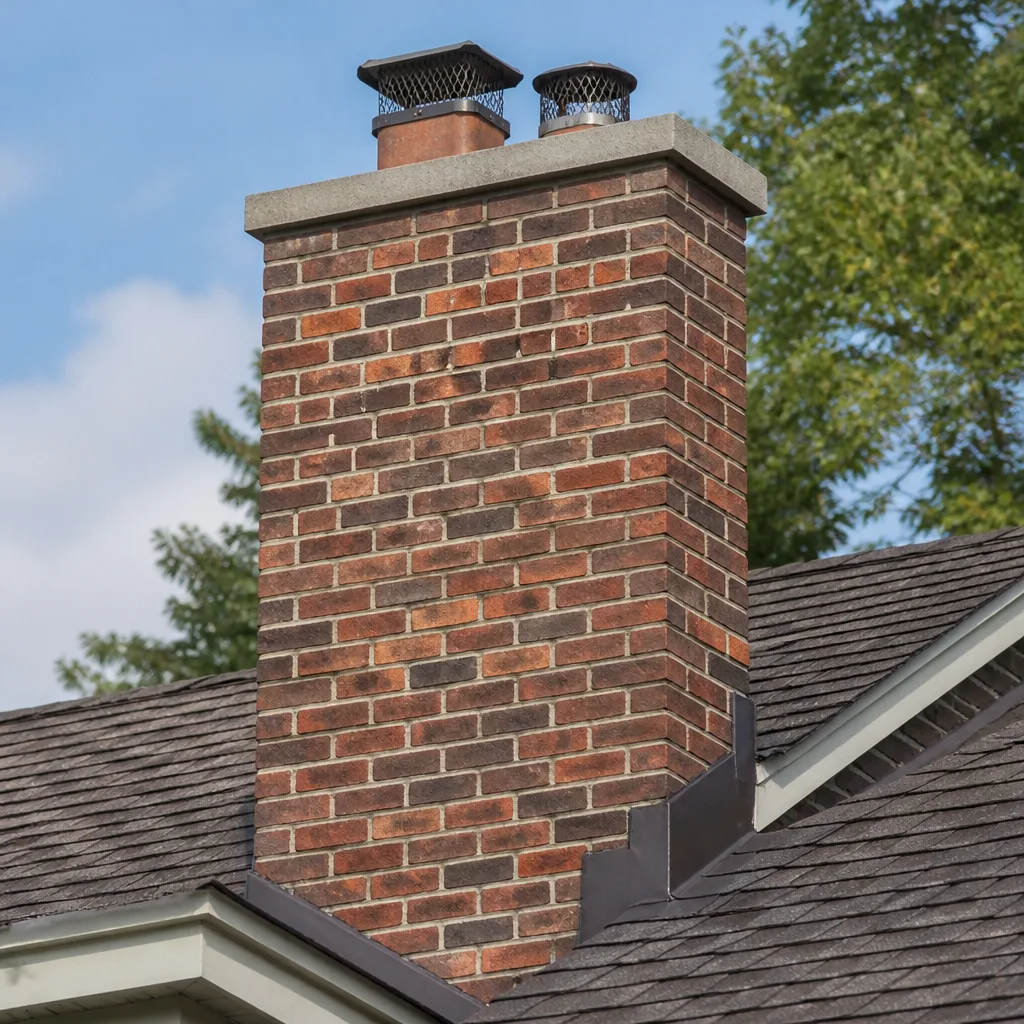 Masonry repair
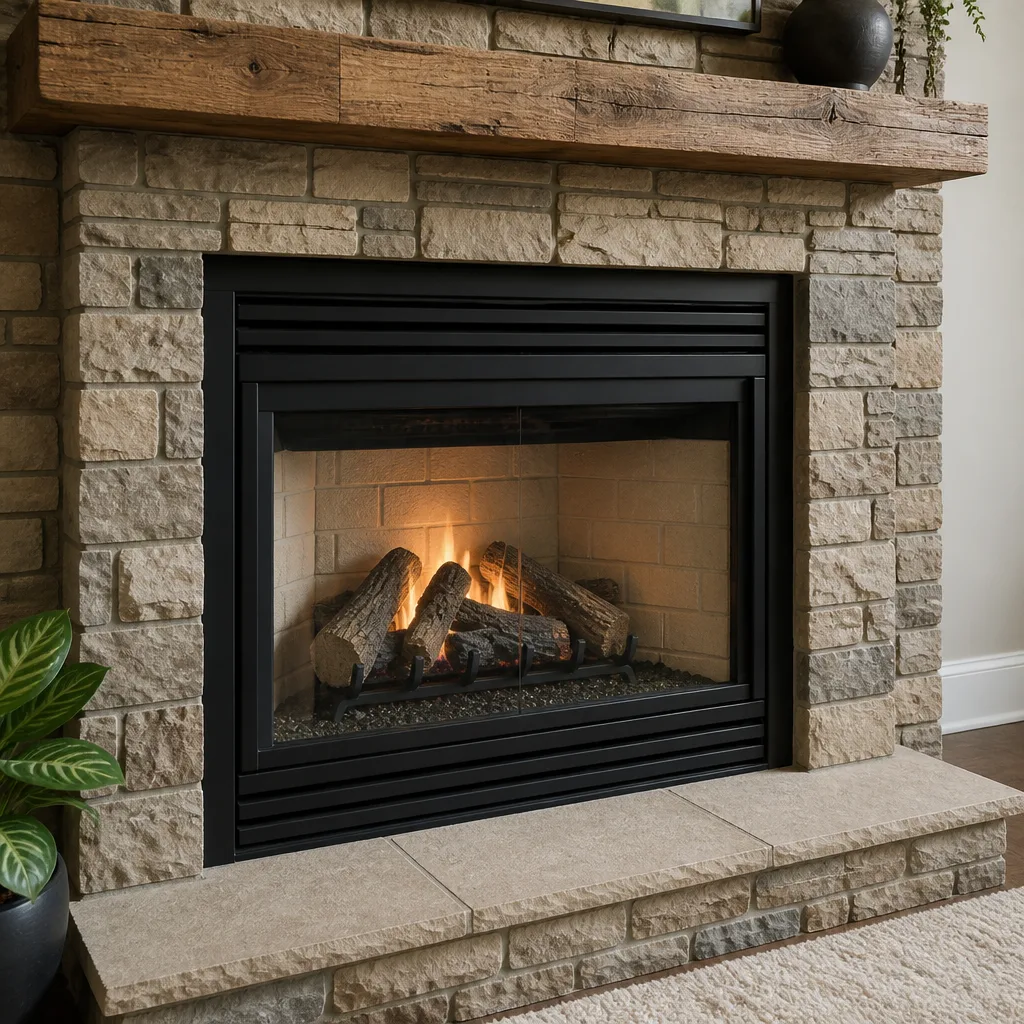 Gas fireplace service
Level 1 sweep and inspection to the NFPA 211 annual standard - flue, crown, cap, and flashing checked and photographed
Chimney sweep logs do not sweep chimneys. They loosen some creosote - which then falls where a brush and vacuum still have to collect it.
Chimney Cleaning Warning Signs: A Park Santiago Homeowner’s Reference Guide
A white stain running down your exterior chimney isn’t a cosmetic issue. It’s efflorescence, and it means water is already moving through your masonry in a way that accelerates structural deterioration. That’s the thing about chimney problems: they announce themselves early, in places you walk past every day, and most homeowners read the signals as “normal” right up until they aren’t. This guide is a field reference organized by where in the home the sign appears – firebox, smoke chamber, exterior chase, roof penetration, and the ceiling and wall near the chimney. You’ll learn which signs mean cleaning is overdue, which mean cleaning won’t fix the problem, and which mean stop using the fireplace today. We work on chimneys across Park Santiago, and these are the patterns we look for on every call.
Quick Answer
The warning signs that matter most in Park Santiago chimneys are: a glaze-like creosote layer in the flue, smoke rolling back into the room, a white efflorescence stain on the exterior masonry, cracked or spalling terracotta liner tiles, rust on the firebox or damper, a loose cap or crumbling crown, and any animal or nesting debris in the flue. Signs that mean stop using the fireplace immediately are a strong creosote smell indoors, visible smoke escaping through masonry, a damaged or detached cap, or a liner you can see cracked through. Everything else is either schedule-soon or monitor-and-reassess – which this guide sorts for you section by section.
Styles & brands we work with
- Sweep & inspection
- Caps & crowns
- Flue relining
- Masonry repair
- Gas fireplace service
Table of Contents
- Warning Signs Inside the Firebox and Damper
- What the Smoke Chamber and Flue Are Telling You
- Exterior Masonry, Stucco Chase, and Efflorescence
- Roof Penetration, Cap, and Crown Warning Signs
- Ceiling and Wall Signs Near the Chimney Chase
- Warning Signs Specific to Southern California Homes
- Stop Using vs. Schedule Soon vs. Monitor
- Cleaning Overdue vs. Cleaning Won’t Fix It
Warning Signs Inside the Firebox and Damper
Start where you burn. The firebox is the most inspected and least understood part of a chimney for most homeowners, because the signs are subtle and look like ordinary wear. They aren’t – each one points to a specific failure mode.
Look for these in order:
- Glaze-like, shiny creosote on the firebox walls and flue throat. This is stage-three creosote, and it’s the most combustible form. It does not brush off with a standard sweep; it needs mechanical removal. This is a cleaning-overdue sign, not a structural one.
- Rust or white corrosion on the damper blade and its hinge. Water is entering the flue from above – typically through a failed crown, a missing cap, or open mortar joints on the exterior.
- Cracked firebrick or missing mortar joints between firebricks. Heat cycling opens these up over time. A single hairline crack in a firebrick is a monitor sign; a crack that runs the depth of the brick, or missing mortar, is schedule-soon.
- A damper that won’t close flush or feels loose on its pivot. A damper that doesn’t seal lets heated room air escape up the flue year-round and lets cold air and pests down. Schedule a repair.
- Soot flakes falling into the firebox when you open the damper. Normal in small amounts after a season of burning. Heavy flaking means the flue is loaded and needs a sweep.
If your firebox looks fine but you’re still not sure, a standalone inspection tells you the truth before you commit to anything. That’s the honest-condition-report approach we take on every Park Santiago call – the inspection is a service in its own right, not a lead-in to a sales pitch.
What the Smoke Chamber and Flue Are Telling You
The smoke chamber sits just above the damper and just below the flue – the transition zone where smoke slows down, cools, and drops its creosote. It’s also the part of the chimney most homeowners never see. Signs that originate here usually show up as behavior at the fireplace, not as a visible defect.
Watch for these behavioral signals:
- Smoke rolls out of the fireplace opening instead of going up. This can be a draft problem, a partially blocked flue, or a smoke chamber that’s coated in creosote. It’s the single most common reason we get called in Park Santiago, and it almost always has a physical cause you can find.
- You smell smoke in the room hours after the fire is out. A blocked or undersized flue, or a smoke chamber with heavy buildup, holds odor. Schedule an inspection.
- A rush of air or a strong draft coming down the flue when the fireplace is cold. Usually a pressure issue, sometimes a missing cap. It’s a monitor-and-reassess sign unless it’s accompanied by smoke backup.
- You can hear animals moving in the flue. Squirrels, birds, and raccoons get into uncapped flues routinely. That’s a stop-using sign until the flue is cleared, because nesting material and creosote make a fire risk you don’t want.
- A flue tile you can see cracked through. Look up the flue with a flashlight from the firebox with the damper open. Hairline heat checks are common and usually monitor-level. A crack that runs the full tile and shows a gap is stop-using until it’s evaluated.
Heavy creosote in the smoke chamber is a cleaning-overdue sign. Cracked flue tiles are not – no sweep fixes those. If the flue needs rebuilding, a chimney sweep alone won’t restore it. Options like a HeatShield ceramic resurfacing or a DuraFlex stainless liner can restore a compromised flue without tearing out the masonry, which is often the difference between a repair bill and a demolition bill.
Exterior Masonry, Stucco Chase, and Efflorescence
Walk outside and look up. The exterior of the chimney is where water damage announces itself first, and in Park Santiago’s housing stock – mostly mid-century stucco chases – the exterior is the most common place water gets in.
Here’s what each sign means:
- White chalky staining running down the masonry. That’s efflorescence: mineral salts pushed to the surface by water moving through the brick or mortar. It’s cosmetic in appearance only. The water behind it is not. This is a schedule-soon sign and a strong indicator of a failed crown, open joints, or a missing cap.
- Dark staining under the cap or at the top of the chase. Water is getting behind the cap. A missing or undersized chimney cap & crown is the cause nine times out of ten, and it’s a straightforward fix – repaired before the water reaches the flue, cheap; repaired after, not.
- Hairline or web-like cracking in the stucco chase. Stucco cracks are common in Southern California because of thermal expansion and settling, not because of freeze-thaw. A single hairline crack is a monitor sign. Cracking that traces the outline of the chimney, or a bulge, is schedule-soon.
- Spalling brick – faces flaking off, or soft, crumbling mortar joints. This is structural. Water has been in there for a while. Schedule an inspection before the next burning season.
- Rust stains on the stucco below the cap or on the spark arrestor screen. The cap hardware or screen has corroded through. Replace it – a failed cap lets water and animals straight in.
For a house in Park Santiago, the exterior inspection takes five minutes with your own eyes. Do it in daylight, standing back from the chimney at roof level so you can see the full run of the chase. If anything on this list is present, write it down and bring it to an inspection.
Roof Penetration, Cap, and Crown Warning Signs
The roof penetration is where the chimney meets the roof and where the crown – the concrete or masonry top surface – sheds water. These are the components that keep weather out of a flue that was never designed to handle it. When they fail, everything below them fails next.
Look for these at roof level:
- A crown with visible cracks, or a crown that has separated from the flue tile. This is a schedule-soon sign, because every rain event pours water straight into the flue.
- Missing, bent, or detached spark arrestor screen. Stop-using if the screen is gone and the flue is uncapped, because embers can escape and animals can enter.
- A cap that sits crooked or a cap that’s not centered on the flue. Wind and settling move older caps. Reposition or replace – a cap that doesn’t sit true is a cap that doesn’t do its job.
- Failed flashing at the roof line – lifted, rusted, or missing. The flashing is the metal transition between chimney and roofing. When it fails, water gets into the roof deck, not just the chimney. This is a schedule-soon sign even if the chimney itself looks sound.
- Debris in the flue visible from the roof – leaves, twigs, or nesting material. A stop-using sign until cleared.
We spec caps and crowns in materials built for Southern California heat and sun – not the thin, big-box parts that fail within a season. That’s the difference between a cap that lasts and one you’ll be replacing on your next inspection.
Ceiling and Wall Signs Near the Chimney Chase
The interior surfaces around the chimney chase – the wall behind the fireplace, the ceiling above it, and the crown molding where the chase meets the ceiling – are where interior water and heat problems show up. These are the signs most homeowners miss, because they happen above eye level.
Look for:
- Brown water staining on the wall behind the fireplace or on the ceiling above the chase. Water is entering the chimney from above and tracking down the framing. Schedule an inspection within the week.
- Peeling or bubbling paint on the wall adjacent to the chimney. Moisture in the framing. This is a schedule-soon sign that often points to a crown or flashing failure on the roof level.
- Discoloration on the ceiling above the chimney. If it’s yellow-brown rather than gray, that’s a water sign. If it’s gray and rises with the fire, that’s heat – and it means the chase lacks proper clearance. Stop using and get it inspected.
- A visible crack running from the top corner of the fireplace opening out toward the wall. This can be settlement or thermal, and both matter. Schedule an inspection.
- A draft you can feel at the base of the wall beside the fireplace. Air is moving where it shouldn’t. This can be a chase ventilation problem or a gap in the masonry – worth a look.
When we get a call because of an interior stain, the first thing we do is trace the water source. We work on the whole chimney system – not just the flue – so the crown, cap, chase, and flue are all evaluated before anything is recommended. If the fix is a crown repair rather than a rebuild, you hear that from us.
Warning Signs Specific to Southern California Homes
Chimney problems here look different from what national advice describes, because the local building stock and climate are different. Three failure patterns come up over and over in Park Santiago and the surrounding neighborhoods.
Stucco chase deterioration
The stucco chase – the boxed exterior that surrounds the chimney – was the standard Southern California construction detail for decades. Stucco is a cement-based finish that expands and contracts with our daily temperature swings, and over time it hairline-cracks. Once it cracks, water gets behind it and soaks into the masonry inside. Look for: hairline cracks that are wider near the top of the chase, staining below the cap, and soft spots you can feel with a light push. A chase with cracks and staining is a schedule-soon sign, not a monitor sign, because the structure behind the stucco is what’s getting wet.
Terracotta liner cracking from heat cycling
Terracotta flue tiles crack from repeated expansion and contraction, not from cold weather. Our mild winters don’t protect them – the heat of a fire followed by cool night air is enough. Look for: cracked tiles visible when you shine a light up the flue from the firebox, missing chunks of tile on the smoke shelf, and heat checks (fine surface cracks) versus true breaks. Heat checks are a monitor sign. A tile cracked through its full depth is a stop-using sign, because a cracked tile lets hot gases contact the framing. If the flue is compromised, a DuraFlex stainless liner or a HeatShield ceramic resurfacing restores it without demolition – which is almost always the right call on a stucco-chase house.
Pest intrusion
Southern California’s mild climate keeps wildlife active year-round, and an uncapped flue is an open invitation. Our warmer, drier conditions also mean nesting material dries out faster and is more combustible. Look for: scratching or shuffling sounds in the chase at dawn and dusk, droppings on the smoke shelf, feathers or twigs falling into the firebox when you open the damper, and a cap screen that’s torn or missing. Any confirmed pest presence in the flue is a stop-using sign until it’s cleared and the cap is restored.
Stop Using vs. Schedule Soon vs. Monitor
The single most useful skill this guide can give you is sorting a warning sign into one of three buckets. Here’s the sort we use on every Park Santiago inspection.
| Category | Signs |
|---|---|
| Stop using immediately | Strong creosote smell indoors with the fireplace cold; visible smoke escaping through masonry; a cap that has detached or fallen; a flue tile cracked through with a visible gap; confirmed animal or nesting debris in the flue; grey heat discoloration on the ceiling above the chase; a burning smell with no fire lit. |
| Schedule soon | Efflorescence on the exterior; dark staining under the cap; spalling brick or soft mortar; cracked or separated crown; failed roof flashing; water staining on the wall or ceiling near the chase; heavy flaking soot at the firebox; a damper that won’t seal. |
| Monitor | A single hairline crack in a firebrick; fine heat checks in flue tile; light soot flakes when opening the damper; a slight draft at the firebox with the fireplace cold; hairline stucco cracking with no staining. |
The distinction matters because the wrong call on a stop-using sign – “I’ll just burn one more fire” – is the exact situation a chimney fire needs. And the wrong call on a monitor sign wastes money. If you’re not sure which bucket a sign belongs in, that’s what an inspection is for.
Cleaning Overdue vs. Cleaning Won’t Fix It
Most chimney problems split into two categories, and confusing them is expensive. Here’s the clean separation.
Signs that mean cleaning is overdue:
- Stage-one or stage-two creosote in the flue – soot flaking off, dark buildup, a fuzzy or crumbly texture
- A soot layer on the smoke shelf and smoke chamber that you can see with a flashlight
- Smoke rolling back into the room that goes away once the flue is clear
- Odor when the fireplace has been cold for more than a day
- Soot falling into the firebox on opening the damper
Signs that cleaning won’t fix the underlying problem:
- Any cracked or missing flue tile
- Efflorescence, spalling brick, soft mortar joints, or water staining
- A damaged or missing cap, crown, or flashing
- A damper that won’t close or open freely
- A chase with cracks or a bulge
- Pest debris that returns after a sweep – meaning the cap isn’t stopping entry
Stage-three creosote is a middle case: cleaning removes it, but it needs mechanical removal rather than a standard sweep, and it usually points to a burning pattern worth changing. A standalone inspection tells you which side of the line your chimney is on before you spend a dollar on repairs. That’s an honest answer, and we’re set up to give it because we handle the whole system – sweep, repairs, liner, cap, and crown – as Chimney Sweep Park Santiago.
Common Mistakes to Avoid
- Assuming “no smoke in the room” means the chimney is fine. Most of the worst signs – efflorescence, a cracked crown, a compromised liner – can’t be seen or smelled from inside the living room. Walk the exterior every fall.
- Treating stage-three creosote like ordinary soot. Glaze-like creosote needs mechanical removal; a standard sweep won’t touch it. Ask what type of creosote the sweep found, and expect an answer.
- Skipping inspection because a sweep was just done in the same visit. A sweep and an inspection are different services. In Park Santiago, where stucco chases and terracotta liners are common, the inspection is where the important findings are.
- Reading an efflorescence stain as a paint problem and painting over it. Paint traps water in the masonry and makes the eventual repair bigger. Fix the water source first.
- Patching a cracked crown with a tube of caulk. Caulk cracks in one Southern California summer. A proper crown repair uses a masonry mix built for the heat.
- Ignoring a cap or screen that’s “almost” on. A cap that sits crooked, or a screen with a tear, is an open door for water and animals. Fix it before the fall.
- Trusting the cheapest sweep in the search results without asking about inspection scope and liner knowledge. A sweep who only brushes the flue won’t spot a heat-checked liner or a soft mortar joint. Ask what brands and methods they use for liner work before you book.
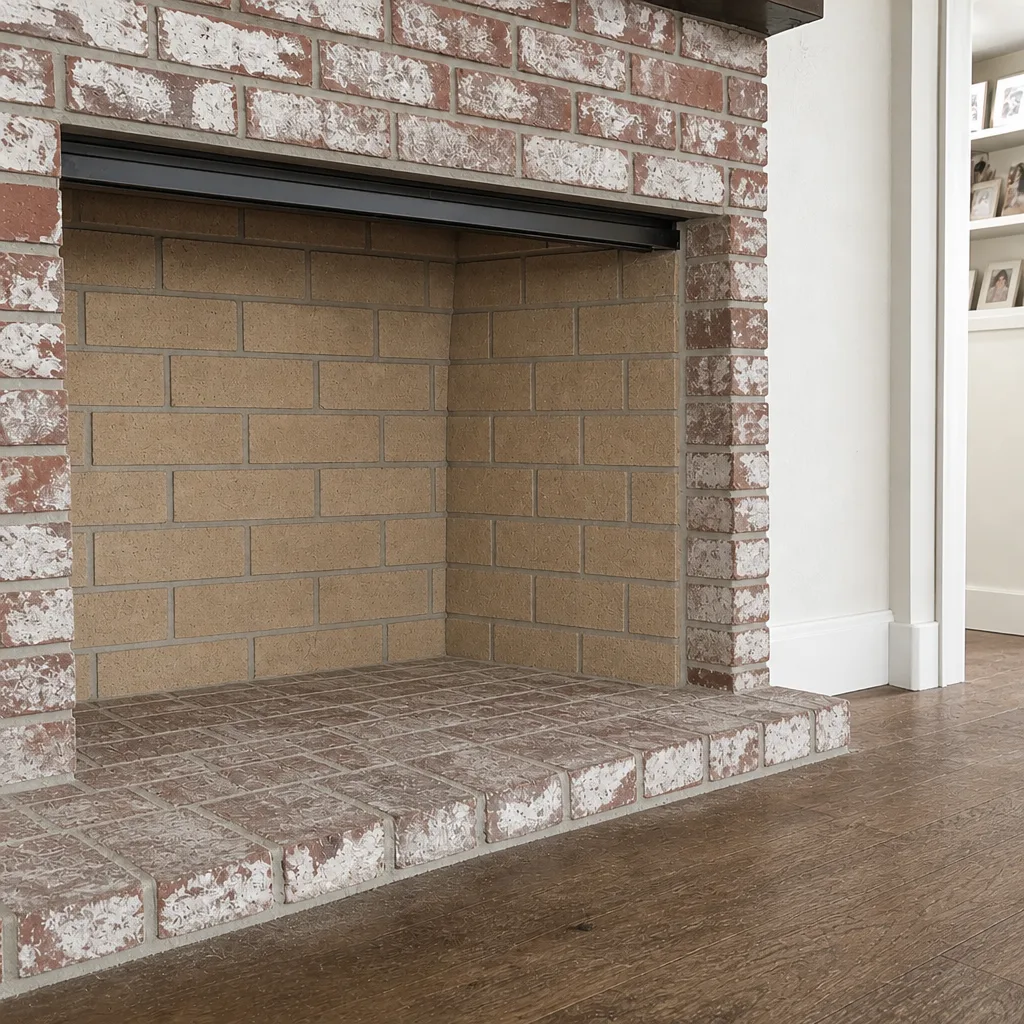
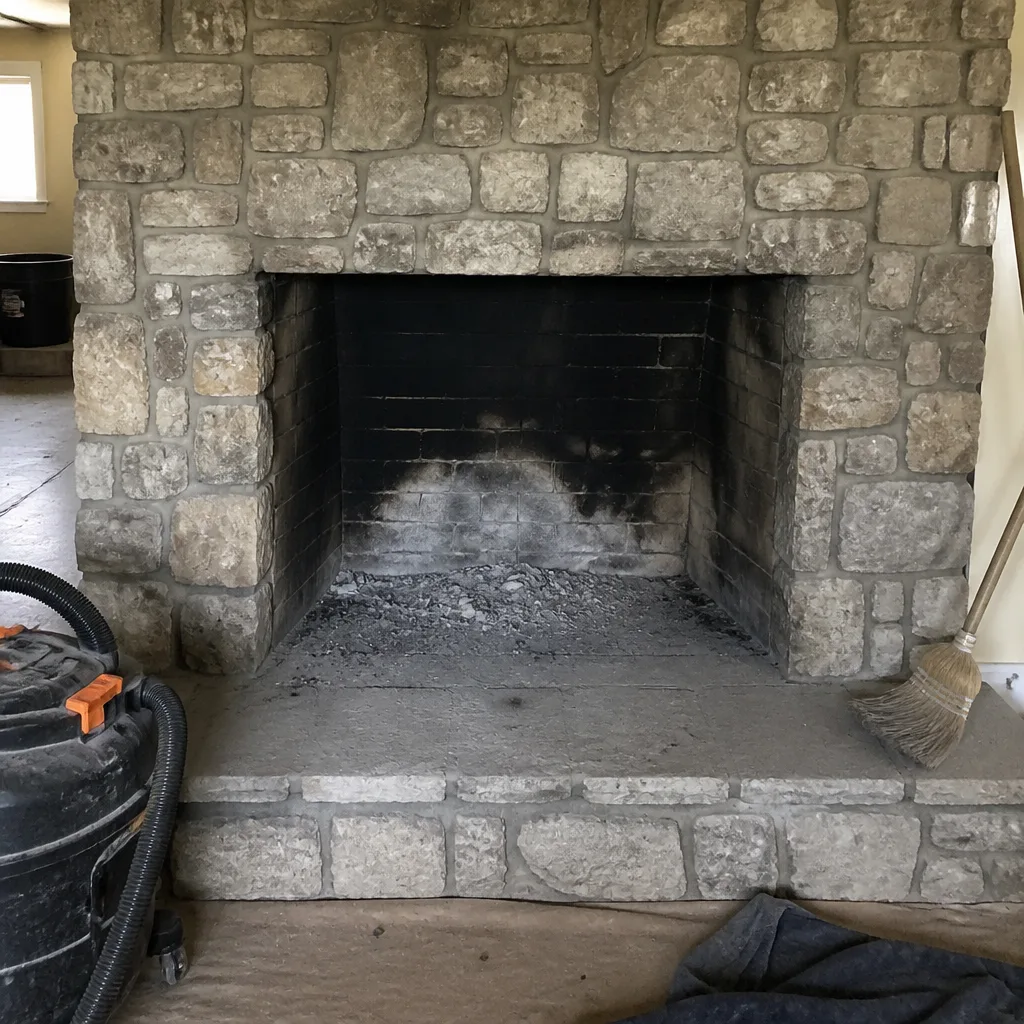
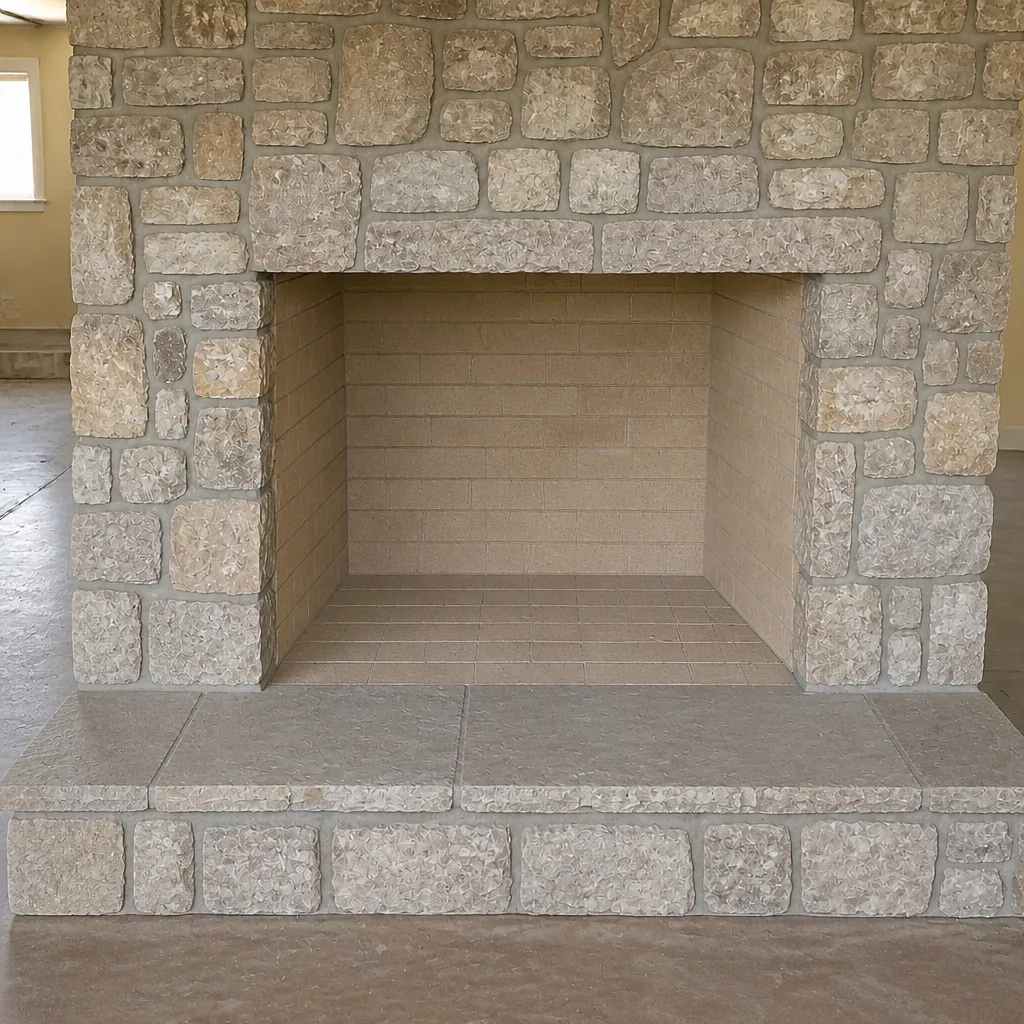
See the difference
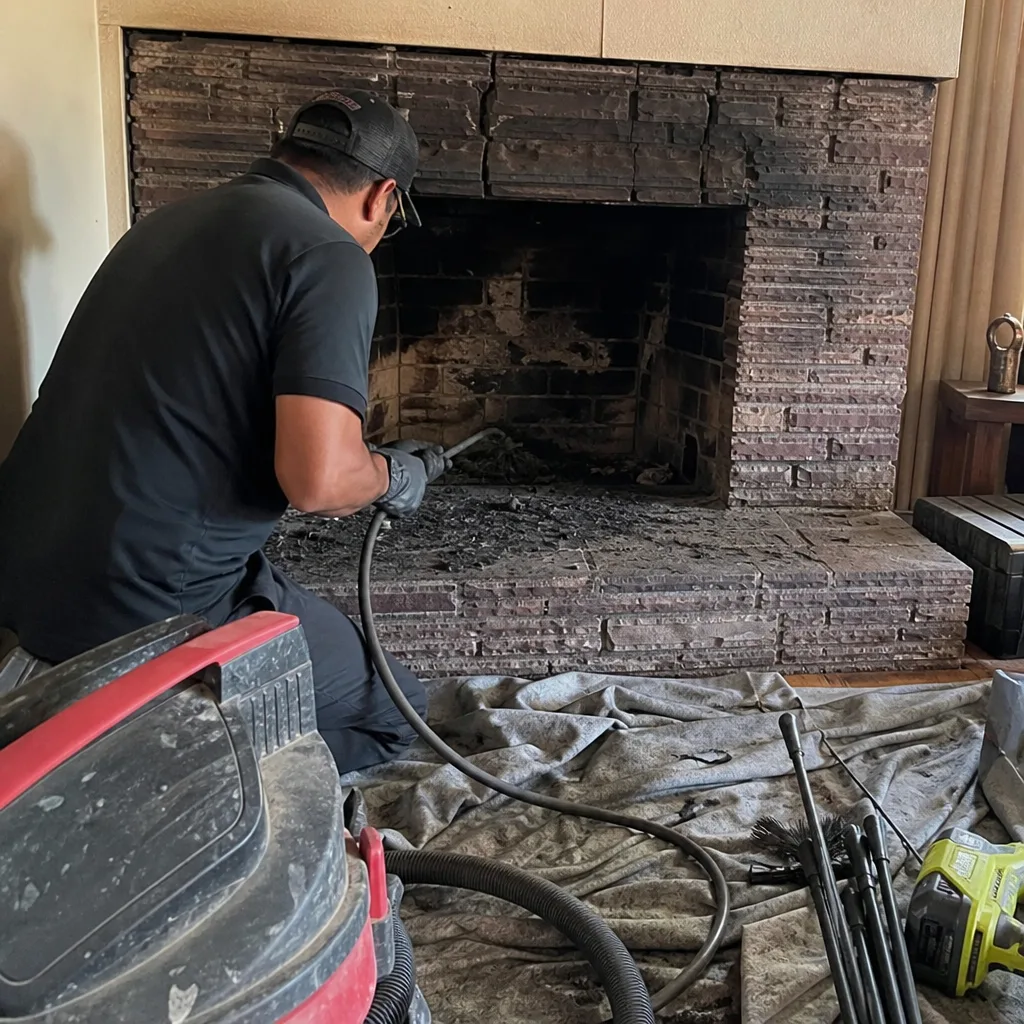 Before
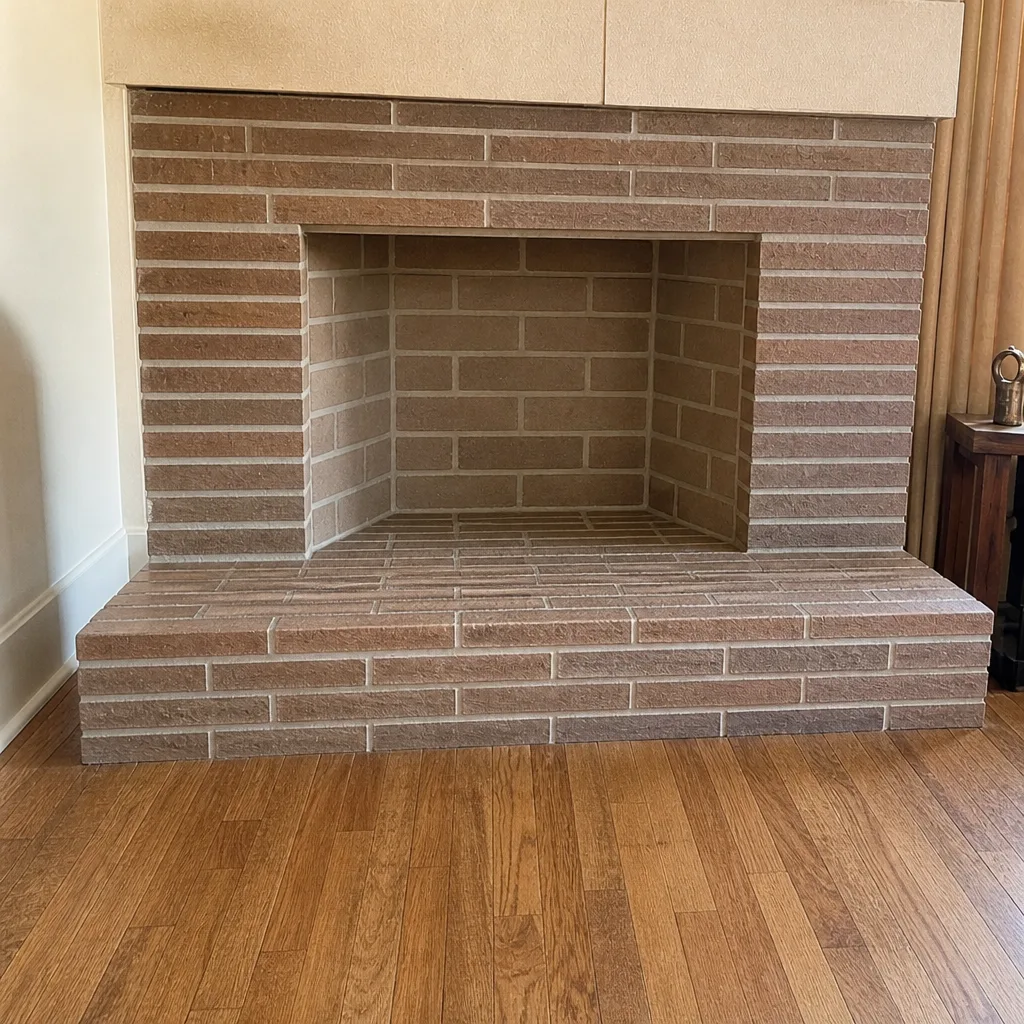 After
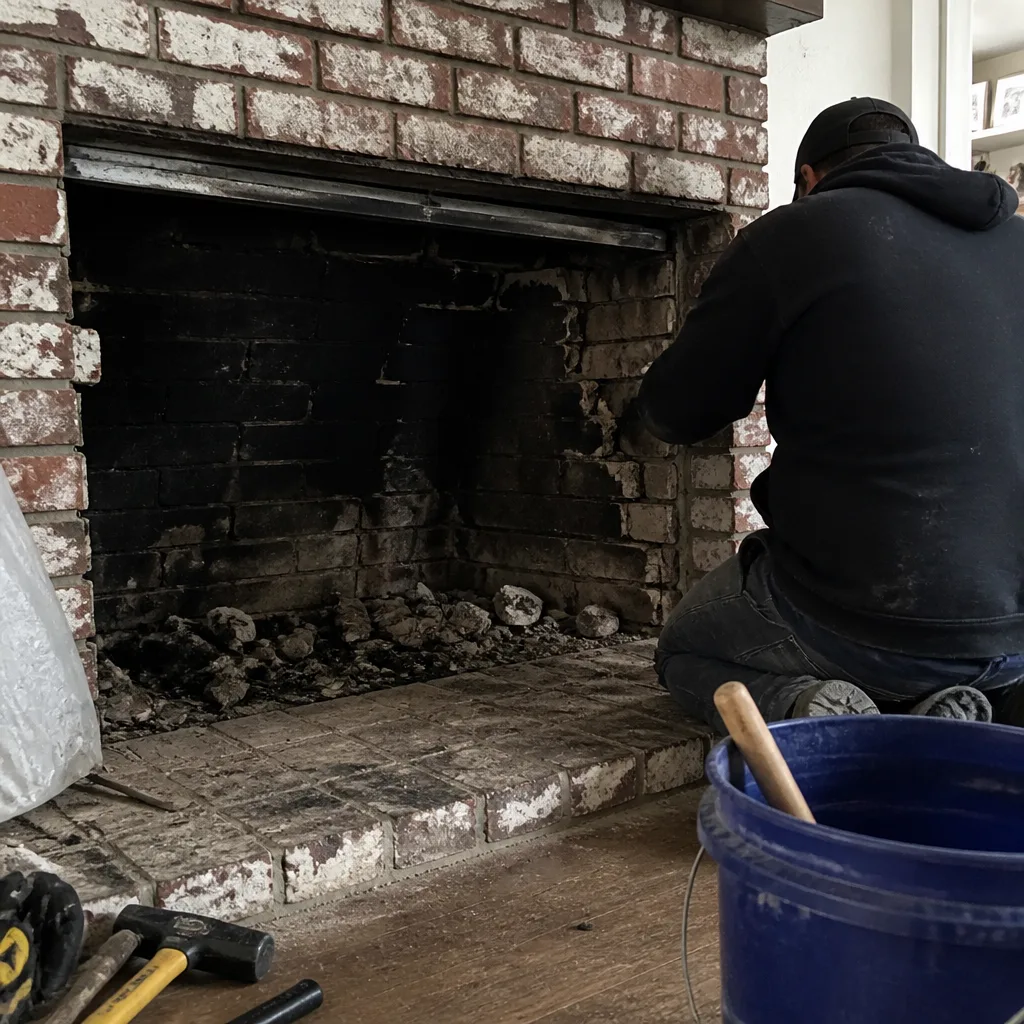 Before
 After
 Before
 After
When to Call a Professional
Some signs in this guide you can watch. These you should not: any stop-using sign from the urgency table, a chimney that has never been inspected since you bought the house, water staining on the wall or ceiling near the chase, a flue with visible cracking, and any sign that returns after a sweep. Call Chimey Sweep Park Santiago – the line is at (855) 957-4437 and we answer 24/7. Fast dispatch from 7am to 7pm, Sunday through Friday. Estimates are free, the price is set per job by the written estimate, and we’ll tell you plainly when work can wait. Our technicians have up to 8 years of experience, and we work on the whole system – not just the flue. If a flue can be restored rather than rebuilt, we spec it that way, using materials from brands like Olympia Chimney and Gelco.
Frequently Asked Questions
The most common signs we find on Park Santiago chimneys are heavy soot flaking at the firebox, smoke rolling back into the room, efflorescence on the exterior stucco chase, and a cap or crown that’s failed. Any one of them means it’s time for an inspection even if the fireplace still seems to work fine. Call (855) 957-4437 for an exact quote – estimates are free.
A chimney used regularly for wood burning should be swept once a year, and inspected at the same time. If you burn heavily, or you notice soot flaking into the firebox before the year is up, sweep sooner. Park Santiago homes with terracotta liners and a stucco chase benefit from an annual inspection because the liner and exterior are where problems start. Call (855) 957-4437 to book a sweep and inspect together.
Creosote builds up in layers, and the burnable kind – stage two and stage three – is what fuels a chimney fire. Skipping a cleaning also lets small signs become expensive ones: a hairline stucco crack becomes a wet masonry repair, and a heat-checked tile becomes a liner replacement. Neither is a scare tactic; it’s how the sequence goes. Call (855) 957-4437 for a free estimate before the season.
In many cases the liner can be restored rather than replaced. HeatShield ceramic resurfacing rebuilds a deteriorated flue from the inside, and DuraFlex stainless liner systems restore a compromised flue without tearing out the masonry. Whether either applies depends on what the inspection finds. We recommend nothing without camera evidence you can see for yourself. Call (855) 957-4437 – estimates are free.
That’s efflorescence, and it means water is moving through the masonry. It isn’t dangerous in itself, but the water behind it is what causes spalling brick and structural damage over time. It’s a schedule-soon sign, not a stop-using sign. Call (855) 957-4437 and we’ll trace the water source – usually the crown, cap, or a mortar joint.
Not if it’s a stop-using sign – that means a strong creosote smell, smoke escaping through masonry, a detached cap, a cracked-through liner, or animal debris in the flue. Everything else is either schedule-soon or monitor-and-reassess. If you’re unsure which bucket your sign belongs in, call (855) 957-4437. We answer 24/7 and dispatch 7am to 7pm, Sunday through Friday.
The Bottom Line
Chimney problems don’t announce themselves loudly – they leave a white stain, a hairline crack, a flake of soot, or a smell that fades by morning. This guide gives you a place to look on every call: firebox, smoke chamber, exterior chase, roof, and ceiling. Sort every sign you find into stop-using, schedule-soon, or monitor, and don’t confuse a cleaning-overdue sign with one that no sweep will fix. If you find a sign you’re not sure about in Park Santiago, don’t burn another fire until you know which bucket it’s in. Call (855) 957-4437 for a free estimate.
Written by the team at Chimney Sweep Park Santiago.