
Last updated November 25, 2026
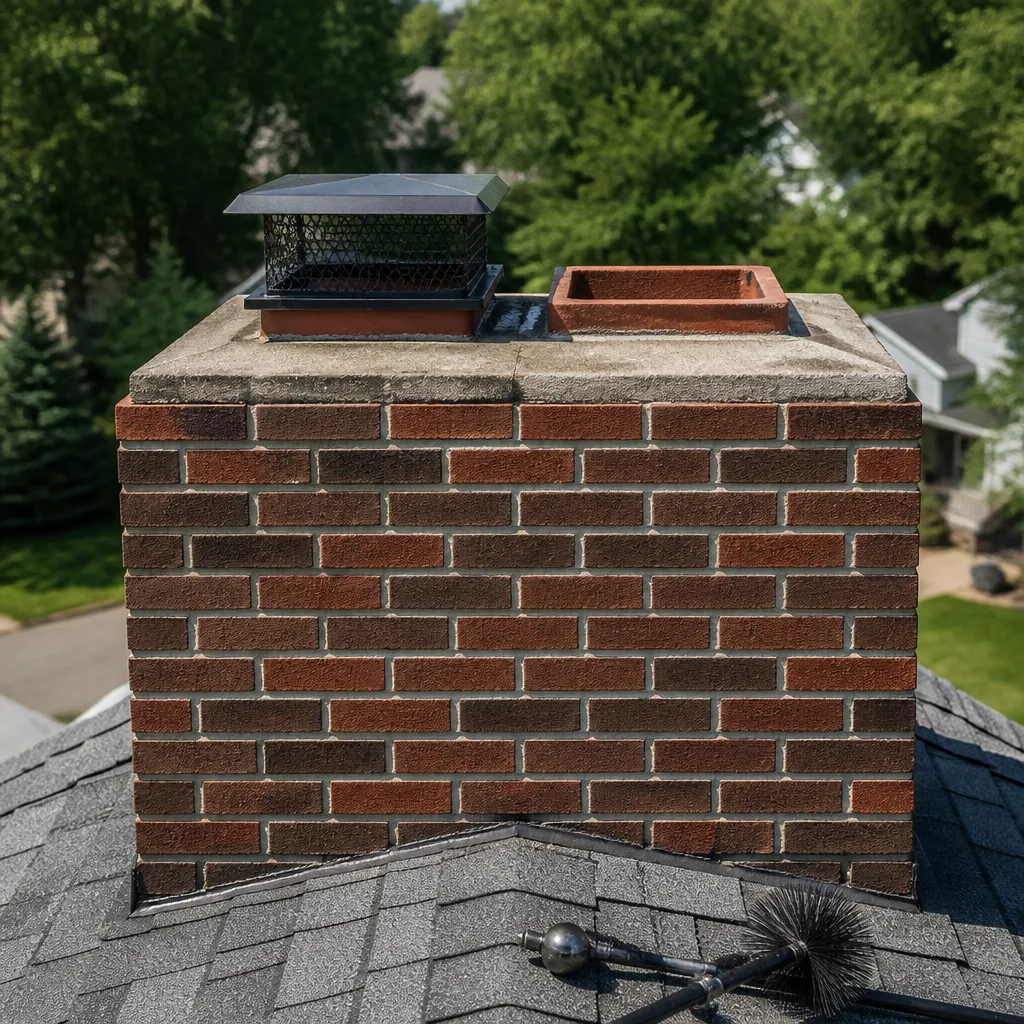 Sweep & inspection
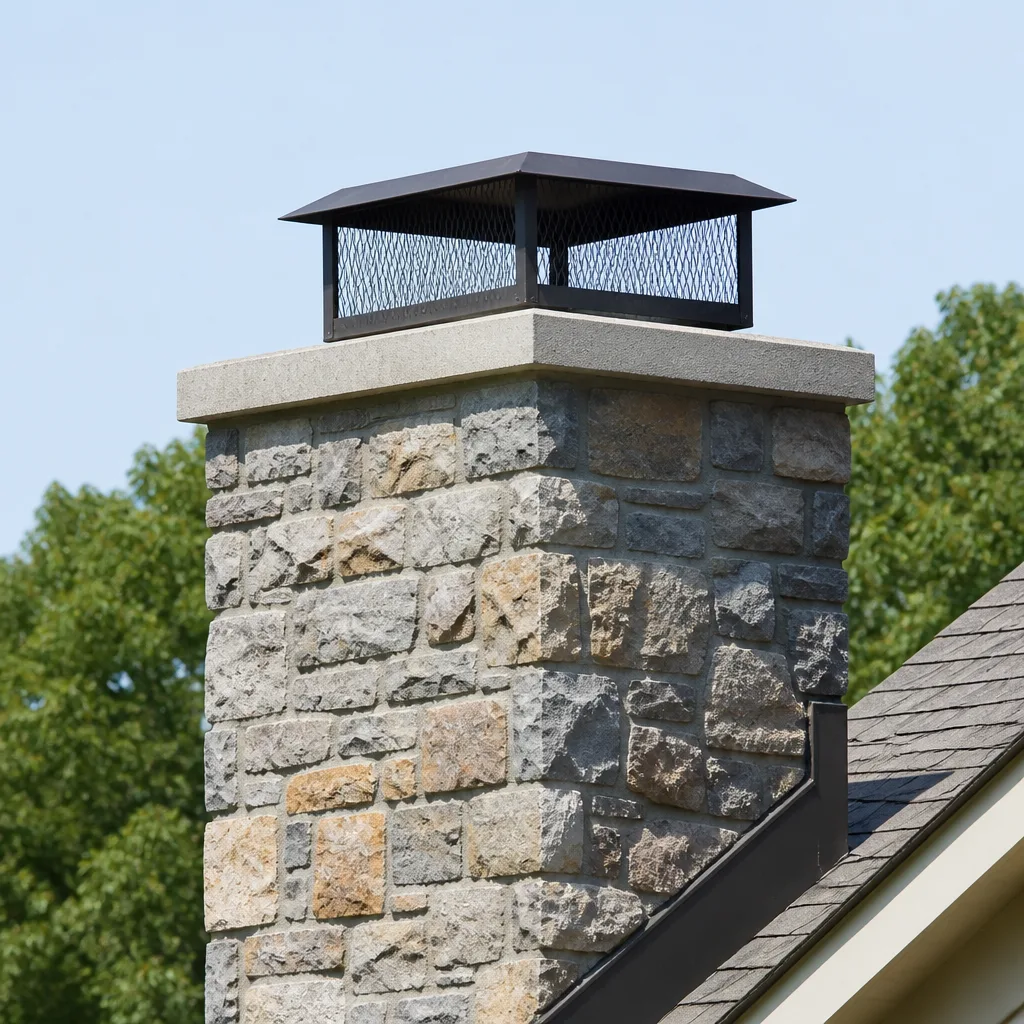 Caps & crowns
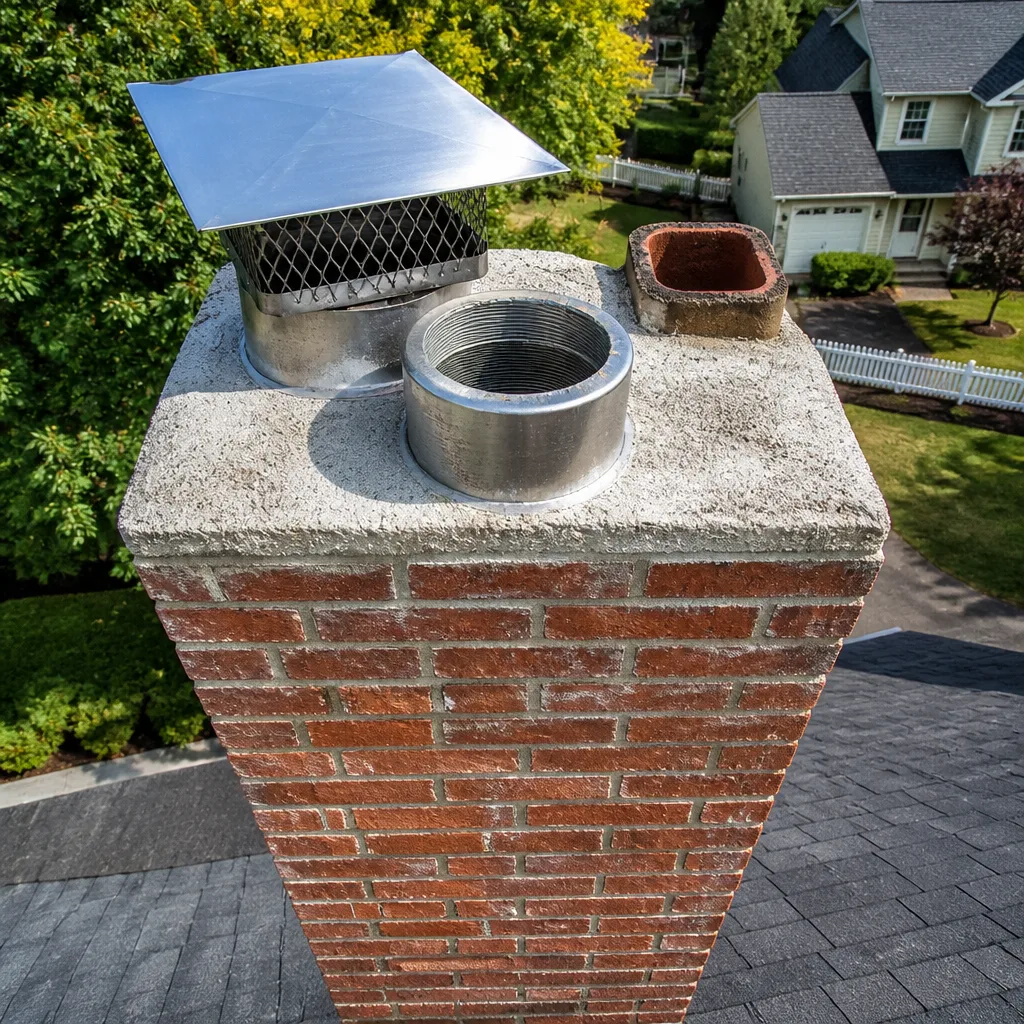 Flue relining
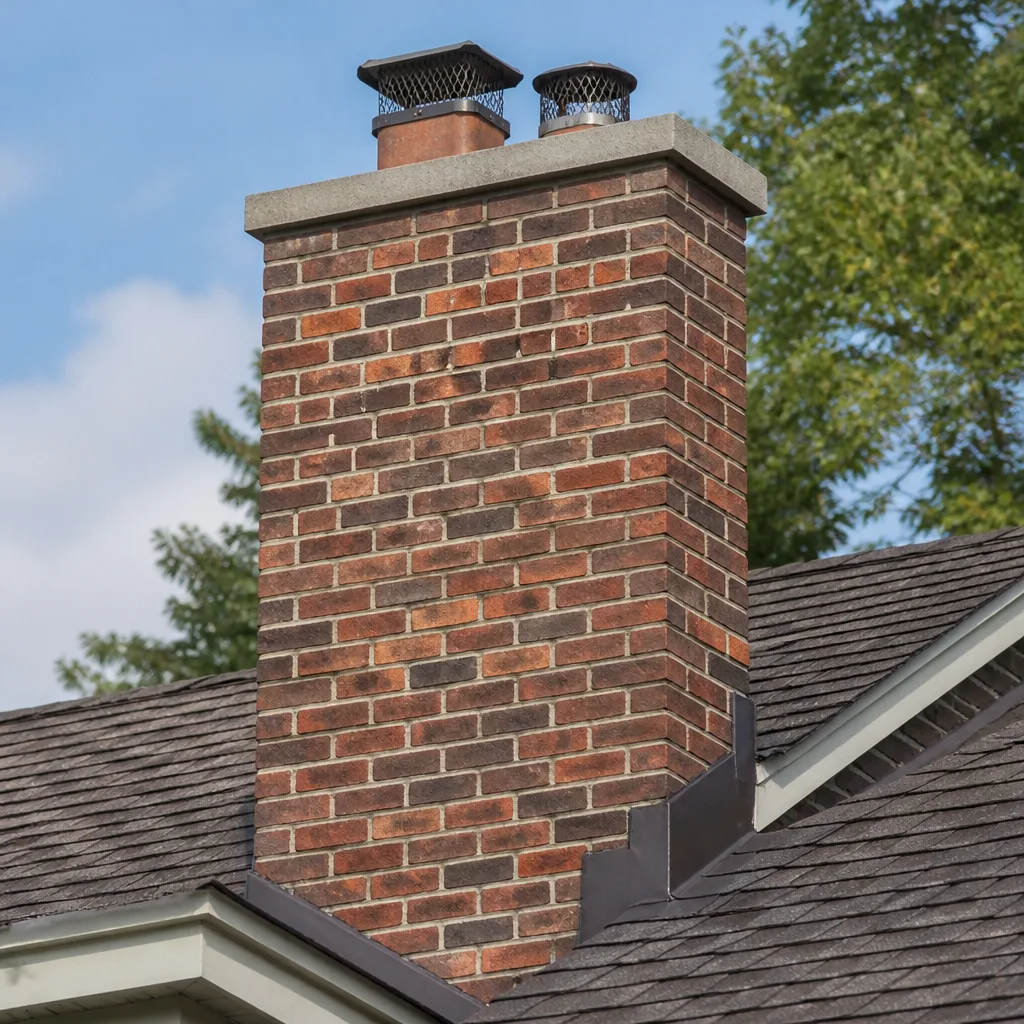 Masonry repair
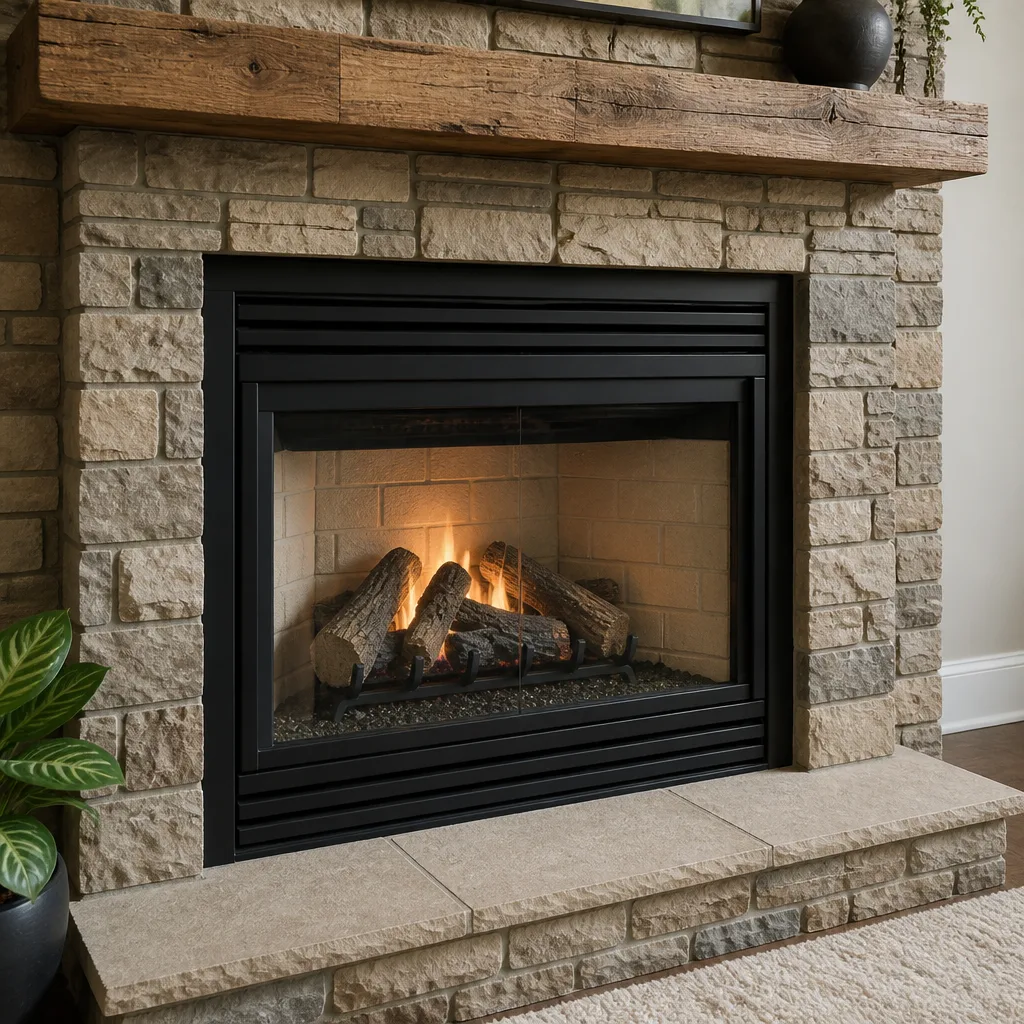 Gas fireplace service
Level 1 sweep and inspection to the NFPA 211 annual standard - flue, crown, cap, and flashing checked and photographed
Chimney sweep logs do not sweep chimneys. They loosen some creosote - which then falls where a brush and vacuum still have to collect it.
Seasonal Chimney Cleaning Care for Park Santiago: Year-Round Homeowner’s Guide
If you’re scheduling your chimney cleaning in November to get ready for winter in Park Santiago, you’ve already missed the highest-risk window for chimney-related issues in this climate. Here, the fireplace season is short and concentrated, fire season runs from late summer through fall, and the long dry summer does most of the damage to a chimney’s exterior. The conventional “clean before winter” calendar was written for cold climates with long heating seasons, and it leaves Park Santiago homeowners preparing at exactly the wrong time. This guide maps out what a year of chimney care actually looks like here: what to check, what to schedule, what to leave alone, and why the calendar most people follow works against them.
Quick Answer
In Park Santiago, the best time to have your chimney swept and inspected is late spring or early summer, right after the last fires of the season and before the dry heat of summer starts working on your masonry. Fire season from late summer through fall is when a roof-level check matters most, and any real cleaning should be finished before the first fire of fall. A year-round approach beats a single annual appointment because the threats here change with the season: buildup inside during fireplace months, moisture and sun damage outside through the long dry stretch, and wind and debris during Santa Ana events.
Styles & brands we work with
- Sweep & inspection
- Caps & crowns
- Flue relining
- Masonry repair
- Gas fireplace service
Table of Contents
- Why the Standard Chimney Calendar Doesn’t Fit Park Santiago
- The Park Santiago Chimney Care Calendar, Month by Month
- What Summer Heat and Dry Air Do to Your Chimney
- After a Santa Ana Wind Event: What to Inspect
- The Long Off-Season and Your Gas Fireplace
- Cleaning vs. Inspection: Two Different Jobs
- What Seasonal Chimney Care Costs in Park Santiago
- Signs Your Chimney Needs Attention Now
Why the Standard Chimney Calendar Doesn’t Fit Park Santiago
Most chimney advice you’ll find online assumes a long, cold winter: fires burn from October into April, creosote builds steadily, and the big annual sweep happens in early autumn before the heating season. Park Santiago doesn’t work that way. Fireplaces here get used in a much narrower window, often on cool evenings from late fall into winter, and then sit idle for months. The maintenance calendar has to match that rhythm, not the one written for the Northeast.
Two things make the local calendar different. The first is fire season, which in this part of Southern California runs from late summer through fall and brings hot, dry weather plus the Santa Ana winds that push through the region. The second is the length of the off-season: months of dry heat and low humidity that quietly work on the outside of the chimney while nothing is burning inside it. That means the highest-risk period for chimney problems in Park Santiago isn’t the middle of winter. It’s the transition into fall, when a chimney that has gone a whole dry season without attention meets the first fire of the year.
Getting the calendar right is the difference between catching a small crown crack before water gets in and discovering it after a season of damage. A sweep booked at the right time tells you what the last fire season left behind, and a roof-level check at the right time tells you what the dry season did. That’s the logic behind everything below.
The Park Santiago Chimney Care Calendar, Month by Month
Here’s how a full year of chimney care looks when it’s built around Park Santiago’s climate rather than a generic one. Treat it as a reference, not a rigid schedule, and adjust for how much you actually burn.
- January through March (fireplace season): Keep burning, but watch for the signs that buildup has reached a point where you should stop. A strong, smoky smell, a fire that draws poorly, or visible soot at the damper are reasons to book a sweep rather than push through the rest of the season.
- April (end of season): After your last fire, this is the ideal time to schedule your annual chimney sweep and a full inspection. The flue is at its dirtiest, the weather is still mild enough for roof-level work, and you have months to make any repairs before you need the fireplace again.
- May through June (repair window): If the inspection turned up a crown crack, a failing cap, loose mortar, or a flue that needs liner work, this is when to get it done. Repairs and liner work scheduled now are finished long before fire season and the next heating season. If you need masonry or a chimney cap & crown repair done, this is the window.
- July through August (dry season): No burning, but this is when sun and low humidity stress the exterior. Do a ground-level visual check: look for cracked or crumbly mortar, a crown that’s separating from the flue, or a cap that’s leaning. Book an inspection if anything looks off.
- September (fire season begins): Watch the weather. Before and after any major Santa Ana wind event, do the roof-level check described below. Clear any debris the wind has dropped on or around the cap.
- October (pre-season): This is the deadline, not the start. Any sweep or repair you’ve been putting off should be done before the first fire. If you missed spring, get it done now, but understand you’re at the back of the line compared with people who booked in April.
- November through December (fireplace season returns): Burn, watch, and enjoy. Note anything unusual so you remember to mention it at the spring sweep.
Notice that the two most important appointments, the sweep and the inspection, both land outside the months when most people think about their chimney. That’s the point. In Park Santiago, the calm months are the ones to use.
What Summer Heat and Dry Air Do to Your Chimney
A chimney doesn’t stop aging just because nothing is burning in it. Through a Park Santiago summer, the exterior of the chimney takes the brunt of the season: months of dry heat, intense sun, and low humidity. The materials that hold a chimney together, mortar, the crown, and the seals around the cap, are designed to handle weather, but they don’t last forever, and the long dry stretch is exactly when small failures begin.
The crown is the concrete or mortar cap at the very top of the chimney, and it’s the part most exposed to sun and heat. As it ages, hairline cracks open up. In a wet climate those cracks would show themselves quickly. Here, they can sit unnoticed through the dry season, and then the first rain of the year finds them. Water gets into the masonry, and the damage shows up later as spalling brick, crumbling mortar joints, or staining on the interior of the chimney. That’s the pattern: the problem starts in summer and becomes visible in the wetter months.
The same goes for the cap and its seals. A cap that’s losing its seal, or that’s slightly loose, does its job fine in calm weather and fails in wind and rain. Gelco and Olympia Chimney make caps and related components that hold up well in this climate, and specifying one that fits the flue properly matters more than people expect. A cap that’s the wrong size or poorly sealed creates the exact problem it was meant to prevent.
Mortar joints are the other summer casualty. Soft, sandy, or receding mortar is a sign that the joints have weathered. Catch it in summer with a simple visual inspection and the repair is minor. Leave it for a season and water gets behind the joints, and the fix becomes bigger. If you want the exterior of the system looked at properly, the inspection that covers this is worth booking on its own schedule, not tacked onto a sweep.
After a Santa Ana Wind Event: What to Inspect
Santa Ana winds are a fixed feature of fall in this part of Southern California: strong, dry, gusty winds that push through the region from the interior. For a chimney, they’re a genuine stress test. A wind event can dislodge a loose cap, crack a weakened crown, drop branches and debris onto the roof, and send grit and leaves down an uncapped or poorly capped flue. After a significant wind event, a quick check is worth the effort.
Here’s what to look at, in order:
- From the ground first. Look at the chimney top. Is the cap sitting level? Is it still where it was? A cap that has shifted or gone missing is the most common wind casualty and the easiest to spot from outside.
- Check the crown and the top of the flue. A wind event can open cracks in an already-weathered crown. Look for fresh separation or new cracks at the top.
- Look for debris on the roof and around the cap. Branches, leaves, and grit collect against the cap and can work their way into the flue. Clear what you can safely reach from the ground with a pole or brush.
- Check the firebox and damper. If debris came down the flue, some of it lands in the firebox. Look in the firebox and at the damper before your next fire.
- Listen for new noises. A rattle or whistle during a wind event can mean a loose cap or a damper that isn’t sealing. Note it and mention it at your next inspection.
Do this from the ground. If a check requires getting on the roof, that’s a job for a trained technician, not a homeowner with a ladder. Falls are a real risk, and a roof is the wrong place to test your balance. If anything looks wrong after a wind event, book a Chimney Sweep Park Santiago inspection so it’s looked at properly.
The Long Off-Season and Your Gas Fireplace
Plenty of Park Santiago homes have a gas fireplace or a gas log set rather than a wood-burning one, and it’s easy to assume those need nothing. That’s a mistake. A gas fireplace sits idle for most of the year here, and the long off-season is when the parts that matter quietly degrade.
The components to watch are the ones affected by sitting unused and by the dry heat: the burner, the pilot assembly, the thermocouple, and the seals and gaskets around the unit. Dust and debris collect in the firebox over the summer, and a burner that’s partly blocked won’t burn cleanly or evenly. The venting and the flue for a gas unit also matter, and they need the same periodic inspection a wood flue does. If the flue is partly blocked or the venting has come loose, the unit won’t vent properly, and that’s a real safety concern rather than a cosmetic one.
Before the first fire of the season, a gas fireplace should get a basic check: pilot light, burner, and venting. If the flame looks uneven, the pilot won’t stay lit, or you smell gas at all, stop and call a professional. Do not attempt to diagnose or repair gas components yourself, and never open a gas line or adjust a burner on your own. Gas work is not a homeowner project, and a trained technician should look at anything involving gas, venting, or the flue. We work on the whole chimney system, and that includes making sure the venting and flue for a gas unit are sound.
Cleaning vs. Inspection: Two Different Jobs
A lot of people assume a chimney sweep includes an inspection. It doesn’t, and treating them as the same thing is one of the most common mistakes we see. A sweep cleans the flue. An inspection evaluates the condition of the whole system and gives you a report on what it found. You need both, but they’re booked and performed differently, and knowing the difference helps you plan the year.
- A sweep removes creosote, soot, and debris from the flue and firebox. It’s maintenance, and it needs doing on a schedule that matches how much you burn.
- An inspection looks at the flue, the firebox, the damper, the crown, the cap, the mortar joints, and the exterior of the chimney. It’s a condition assessment, and the output is a report, not a cleaning.
The reason this matters in Park Santiago is that the inspection is where the local climate shows up. A sweep tells you the flue is clean. An inspection tells you the crown is cracked from a summer of sun, or that the cap loosened during a wind event, or that the masonry is holding up fine and can wait. The value of a standalone inspection is that it’s an honest report you can act on when you’re ready, not a sales pitch attached to a repair. In our experience, homeowners who get a proper inspection in spring know exactly what they’re facing before the season starts, and they’re not surprised in October.
What Seasonal Chimney Care Costs in Park Santiago
Chimney care pricing in Park Santiago tracks the scope of the job, not the month you book it. A routine sweep is the entry point; an inspection, a cap, a crown repair, or liner work are separate line items. The ranges below are typical for this market and should be treated as estimates. The written estimate you receive after the job is assessed sets the final price, and that estimate is free.
- Routine chimney sweep: typically $150 to $300, depending on flue condition and access.
- Standalone inspection: typically $100 to $250, with a written condition report.
- Chimney cap replacement or repair: typically $200 to $600, depending on the cap and the flue size.
- Crown repair or rebuild: typically $400 to $1,200, depending on the extent of the cracking and the crown size.
- HeatShield ceramic resurfacing: typically $1,000 to $2,500, a less invasive alternative to a full liner replacement.
- DuraFlex stainless liner installation: typically $3,000 to $6,500, depending on flue length and configuration.
Those are estimates, and they can move depending on what the inspection turns up. What we can tell you is that the estimate is free, the flat price is agreed before we book, and nothing gets recommended that you can’t verify. For liner work, the survey we do is thorough and the report includes photos you can look at yourself. If a repair can safely wait, we’ll tell you, and if it can’t, we’ll show you why. Call (855) 957-4437 for a free estimate.
Signs Your Chimney Needs Attention Now
Most chimney problems announce themselves before they become serious, if you know what to look for. The list below is the one to remember when the season turns and you’re getting ready to light the first fire. If any of these apply, don’t put it off.
- Creosote buildup that’s more than a thin coat. A heavily coated flue is a fire risk. Stop burning and get it swept.
- A smoky smell in the room when there’s no fire. Often a sign of buildup or poor draft.
- Poor draft when the fire is burning. Smoke backing into the room, or a fire that’s hard to light, points to a flue or damper problem.
- Visible cracks in the crown or loose mortar joints. Catch these in summer and they’re a minor fix.
- A cap that’s leaning, missing, or loose. Especially after a wind event.
- Water staining on the chimney or the ceiling near it. A sign the crown or the flashing has failed.
- Any gas smell or an uneven flame on a gas fireplace. Stop and call a professional immediately.
If more than one of these is showing, book an inspection before the season starts. The spring window is the ideal time, but the important thing is to get it looked at before you need the fireplace.
Common Mistakes to Avoid
- Cleaning in November to “get ready for winter.” That’s the back of the line in Park Santiago. The high-risk period is the transition into fall, and a spring sweep gets you inspected and repaired long before it.
- Skipping summer because the fireplace is off. The dry season is when the crown, mortar, and cap seals take their damage. A summer visual check catches it early.
- Assuming a sweep is an inspection. They’re different jobs. You need the condition report to know what the local climate has done to the system.
- Ignoring the chimney after a Santa Ana wind event. A cap that’s shifted can drop debris down the flue or let water in. A quick check from the ground is worth the time.
- Leaving a gas fireplace untouched through the off-season. Dust, debris, and venting need a check before the first fire, and gas components are never a DIY project.
- Using generic hardware-store parts on a cap or crown. A cap that’s the wrong size or poorly sealed causes the problem it was meant to prevent. The right components are worth the difference.
- Going on the roof to “take a look” after wind or a storm. A fall from a roof is a serious injury. Check from the ground and book a technician for anything above it.
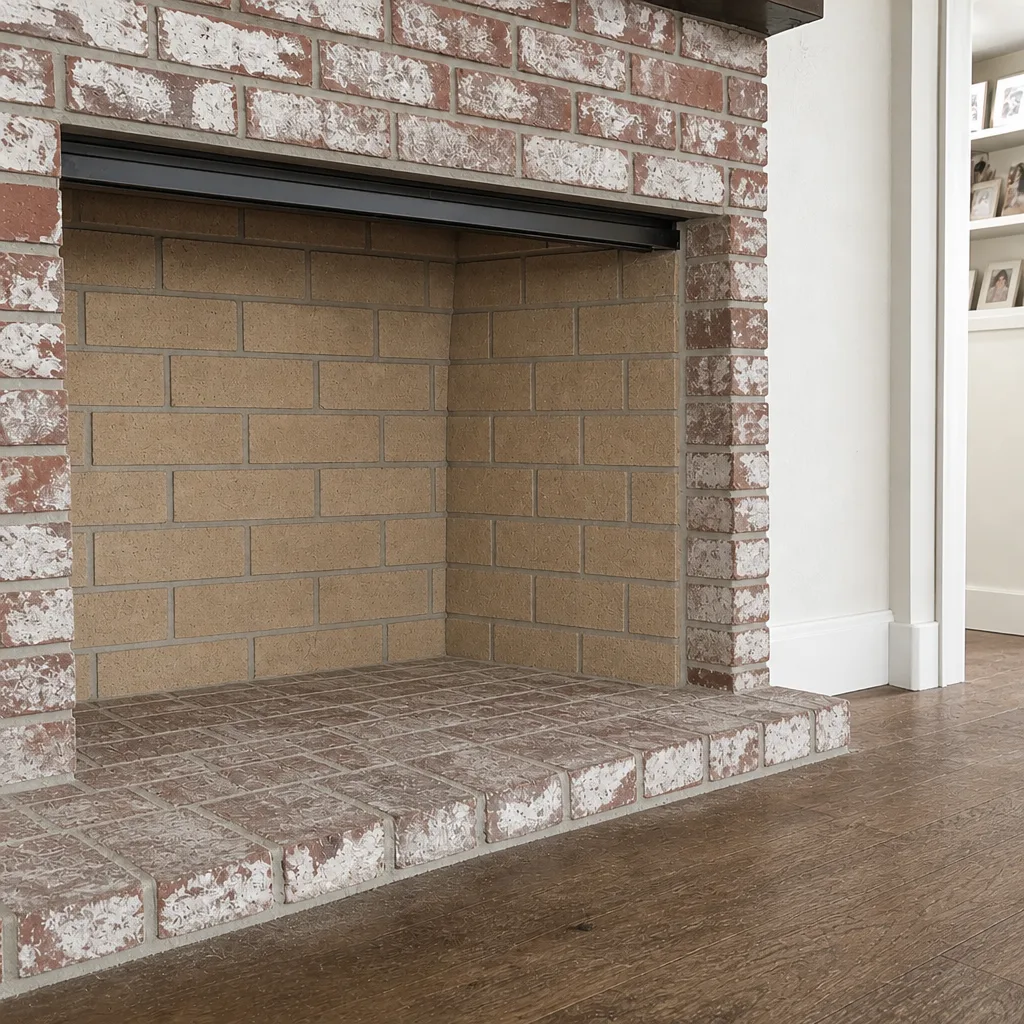
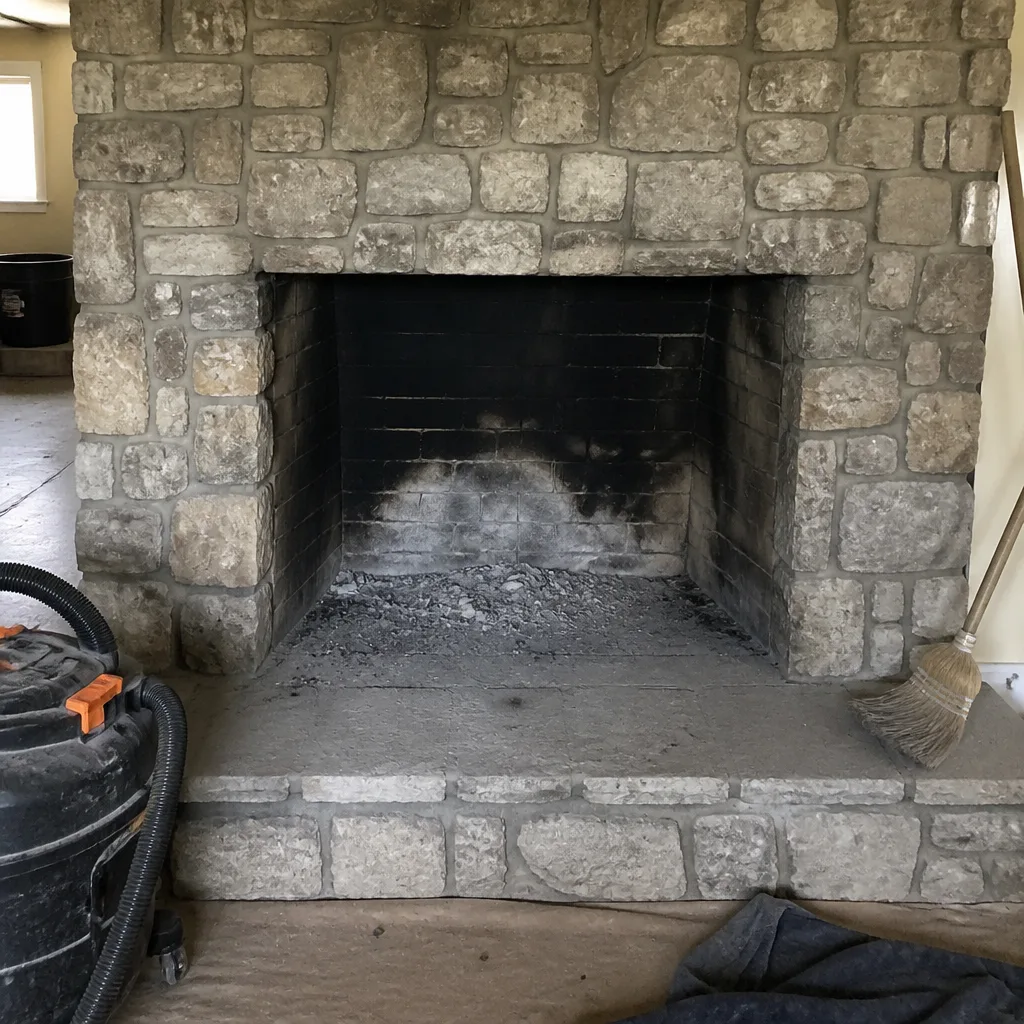
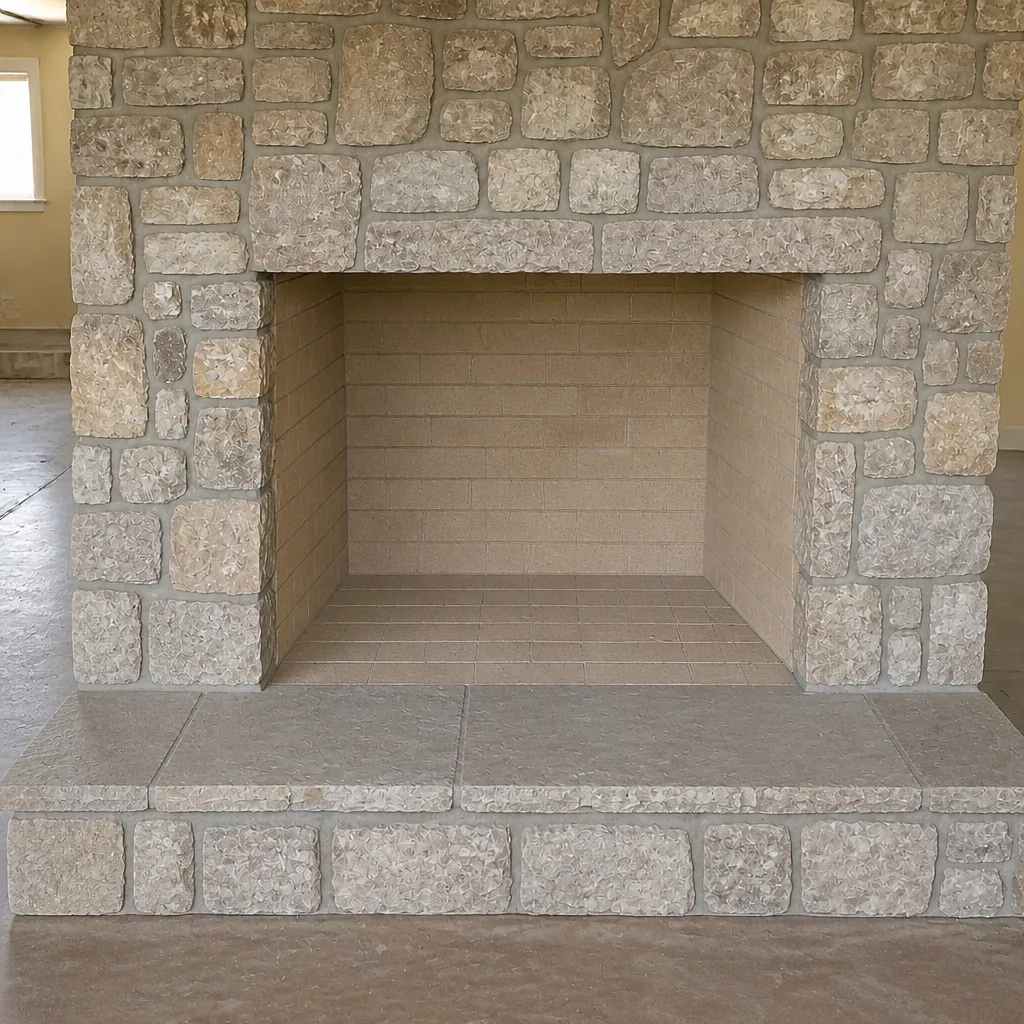
See the difference
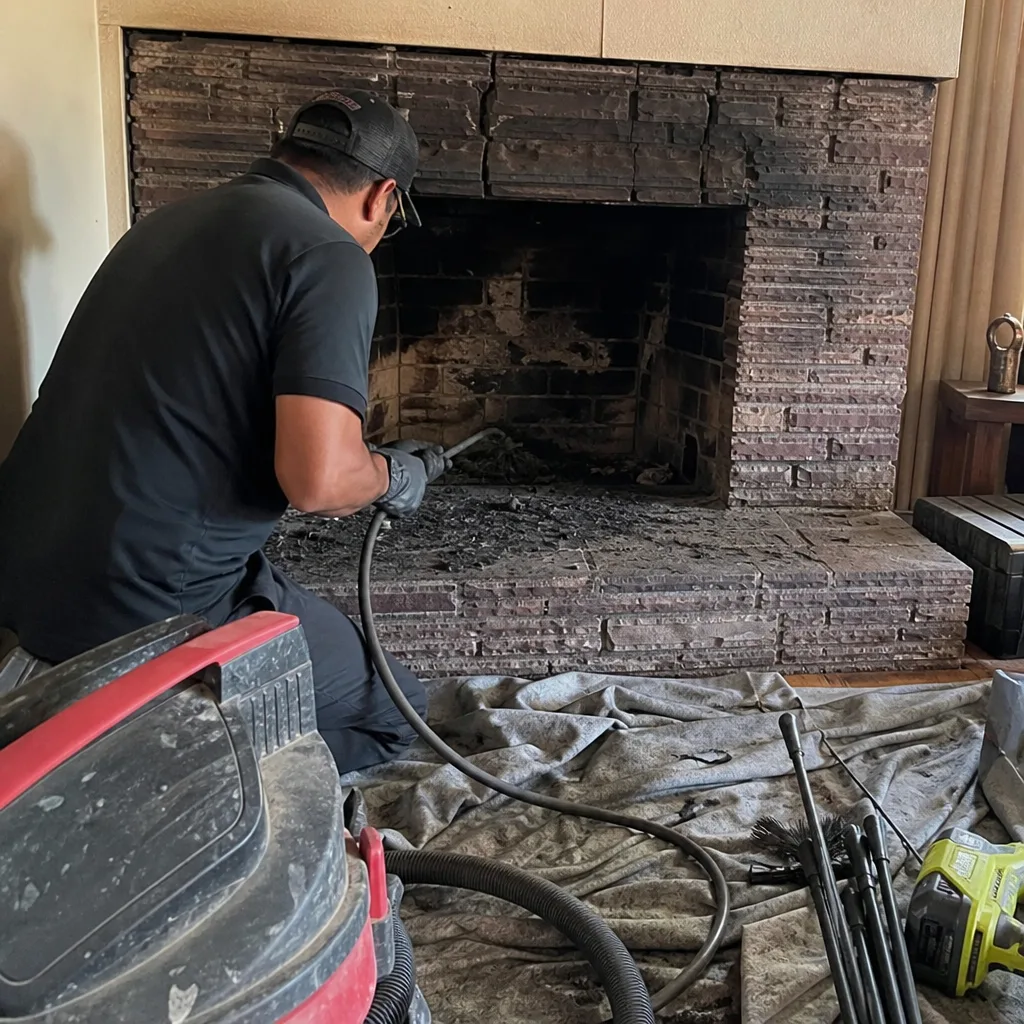 Before
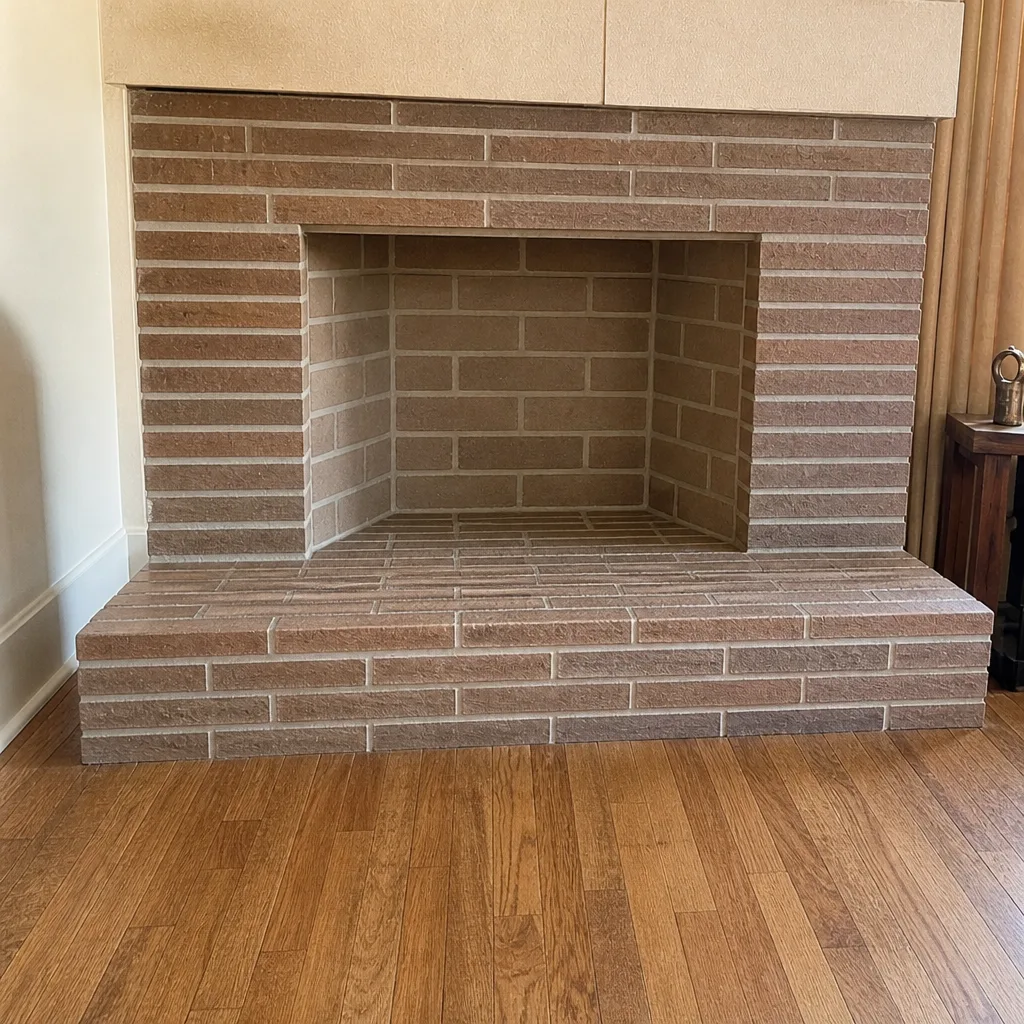 After
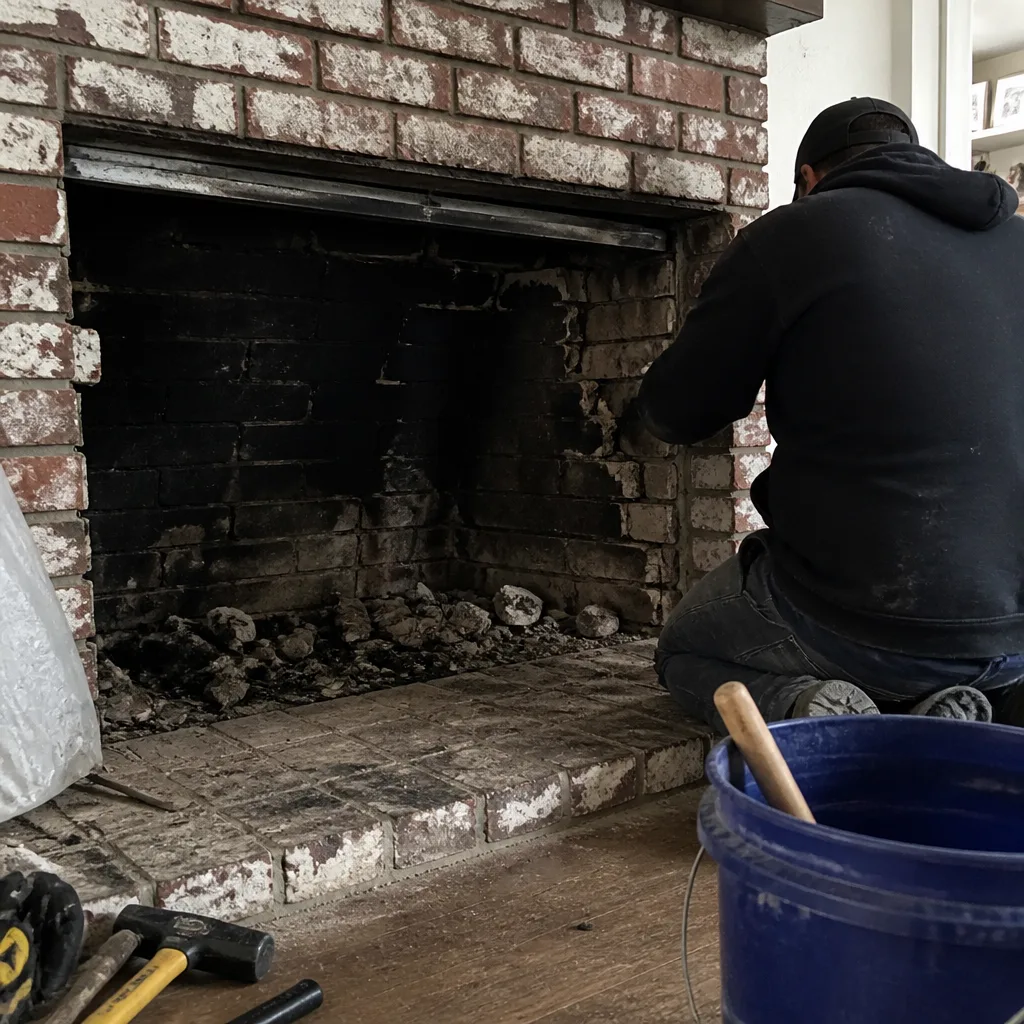 Before
 After
 Before
 After
When to Call a Professional
Call a professional before the first fire of the season if you can’t remember the last time the chimney was swept, if you’ve noticed any of the signs above, or if a wind event left you unsure about the cap or crown. Call sooner if you see water staining, a loose cap, or a gas fireplace that isn’t burning cleanly. And call immediately for any gas smell, a flue that’s visibly blocked, or smoke that backs into the room. A trained technician handles the roof, the flue, and the gas components safely, and the inspection report tells you what actually needs doing. The fireplace repair side of the work matters here too: a firebox that’s cracking or a damper that isn’t sealing affects how the whole system burns. Chimney Sweep Park Santiago offers free estimates in Park Santiago. Call (855) 957-4437. We answer 24/7. Fast dispatch from 7am to 7pm, Sunday through Friday.
Frequently Asked Questions
Late spring or early summer, right after the last fire of the season and before the dry heat of summer begins. The flue is at its dirtiest, the weather is mild enough for roof-level work, and you have the rest of the year to address anything the inspection turns up. Call (855) 957-4437 for an exact quote, and estimates are free.
Once a year if you burn regularly, and more often if you burn frequently or notice buildup. In Park Santiago the fireplace season is short, so many homeowners find an annual spring sweep is enough, but an inspection every year is worth the small extra cost even when the flue looks clean. Call (855) 957-4437 for an exact quote, and estimates are free.
No. A sweep cleans the flue and firebox; an inspection evaluates the whole system and gives you a written condition report. You need both, and they’re booked as separate jobs. An inspection tells you what the climate has done to the crown, cap, and masonry. Call (855) 957-4437 for an exact quote, and estimates are free.
From the ground, look at the cap to see if it’s level and in place, check the crown and the top of the flue for fresh cracks, clear any debris around the cap, and look in the firebox for anything that came down the flue. If anything looks wrong, book an inspection rather than going on the roof. Call (855) 957-4437 for an exact quote, and estimates are free.
Yes, and it’s the most underappreciated part of chimney care here. Months of dry heat and sun open hairline cracks in the crown and weather the mortar joints, and the first rain of the season finds them. A summer visual check catches the damage before it spreads. Call (855) 957-4437 for an exact quote, and estimates are free.
It needs a check before the first fire of the season: pilot, burner, and venting, plus a look at the flue. Dust and debris collect over the dry months, and venting can loosen enough to matter. Never diagnose or repair gas components yourself. Call (855) 957-4437 for an exact quote, and estimates are free.
The Bottom Line
Chimney care in Park Santiago follows a different calendar than the one most homeowners have been taught. The sweep belongs in late spring or early summer, the repairs belong in the repair window after it, and the dry season is when the exterior of your chimney takes its damage. Fire season and Santa Ana winds add a roof-level check in fall, and a gas fireplace needs a look before the first fire of the year. Build the year around those points and you’ll catch problems while they’re small, get repairs done before you need them, and never light the first fire of fall on a chimney that hasn’t been looked at since the spring.
If you’d like your chimney looked at properly, with a report you can act on and a free estimate, call Chimney Sweep Park Santiago at (855) 957-4437. We answer 24/7. Fast dispatch from 7am to 7pm, Sunday through Friday. Our technicians have up to 8 years of experience, we work on the whole chimney system, and we use professional-grade materials from HeatShield, Gelco, and Olympia Chimney rather than hardware-store substitutes.
Written by the team at Chimney Sweep Park Santiago.