
Last updated November 25, 2026
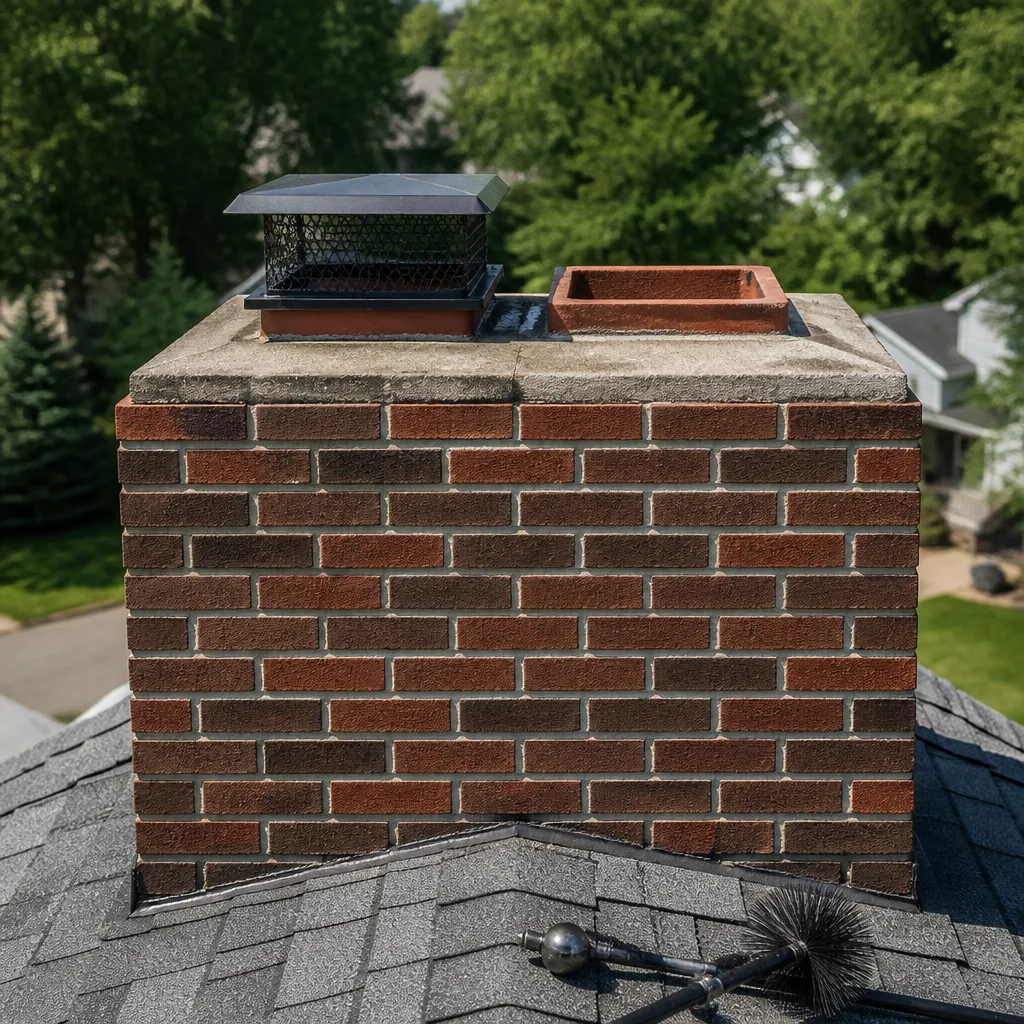 Sweep & inspection
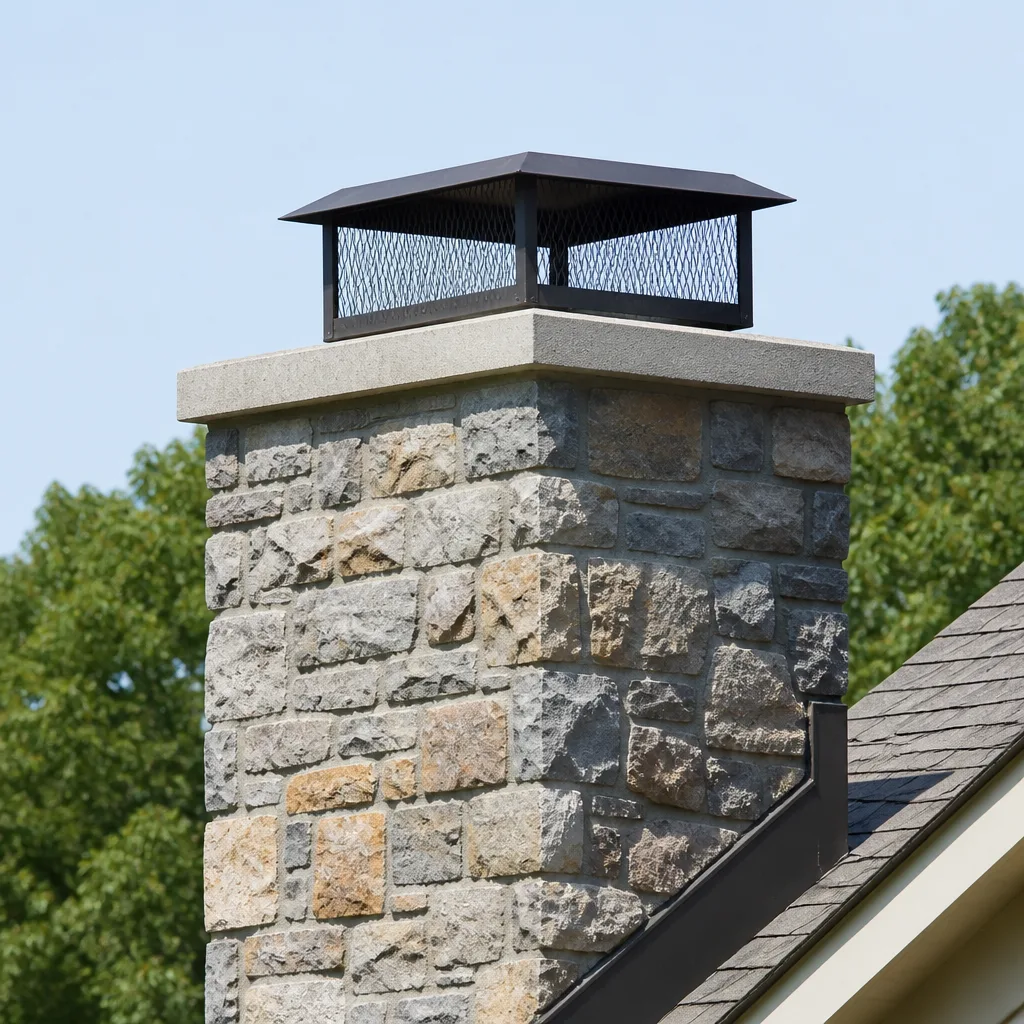 Caps & crowns
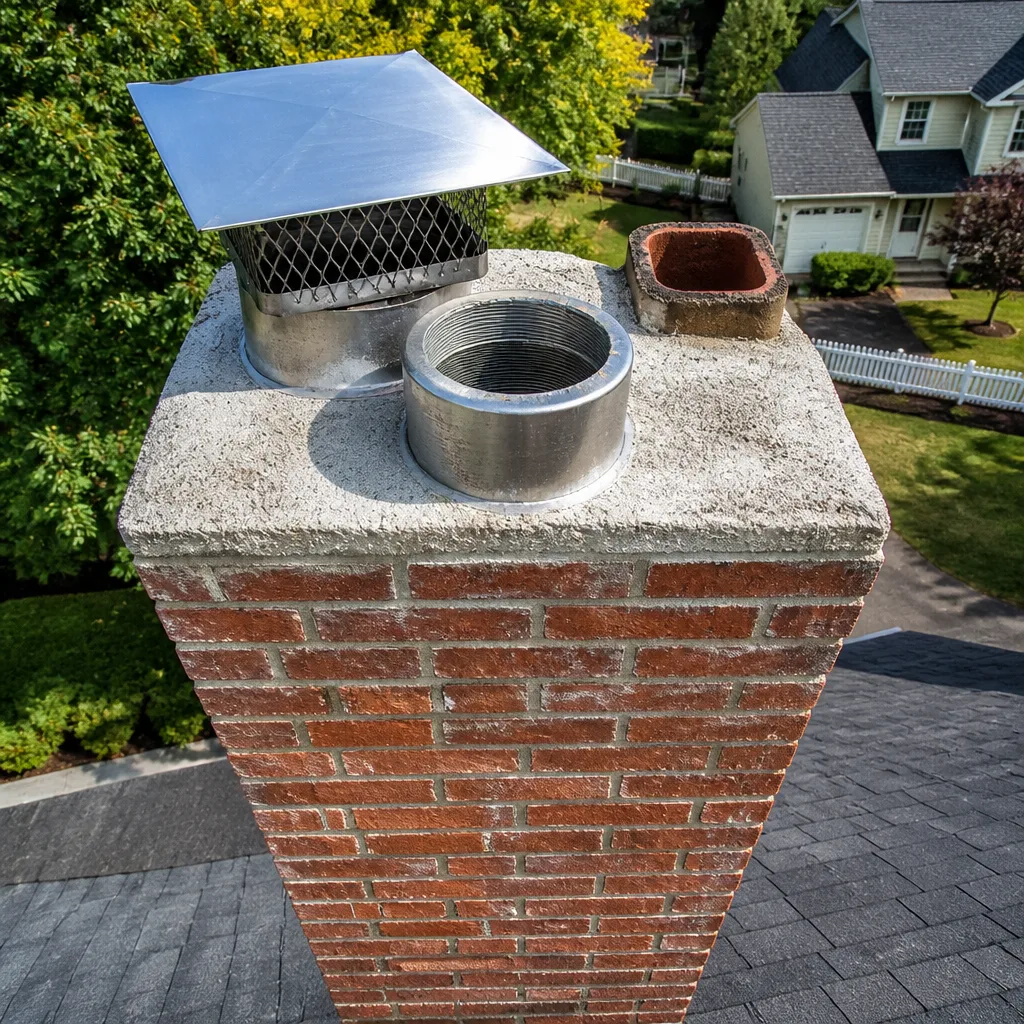 Flue relining
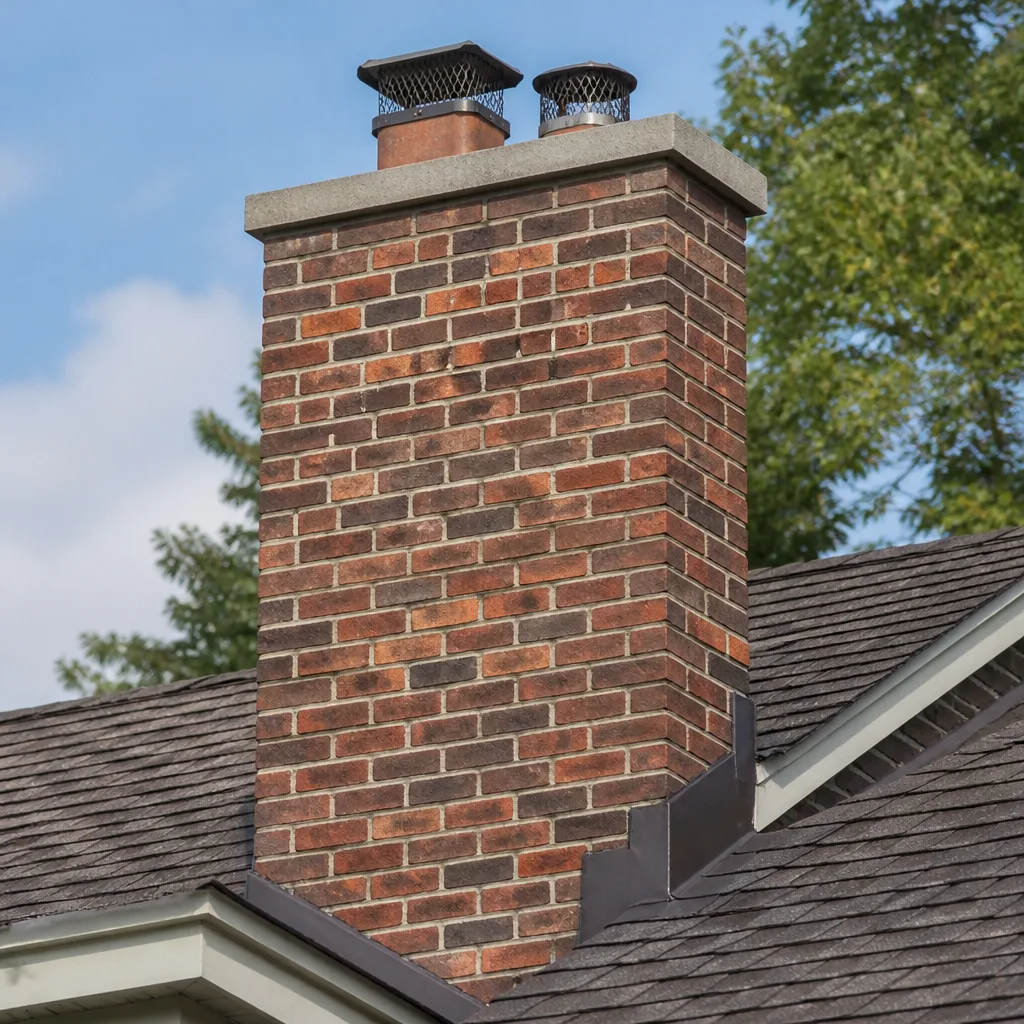 Masonry repair
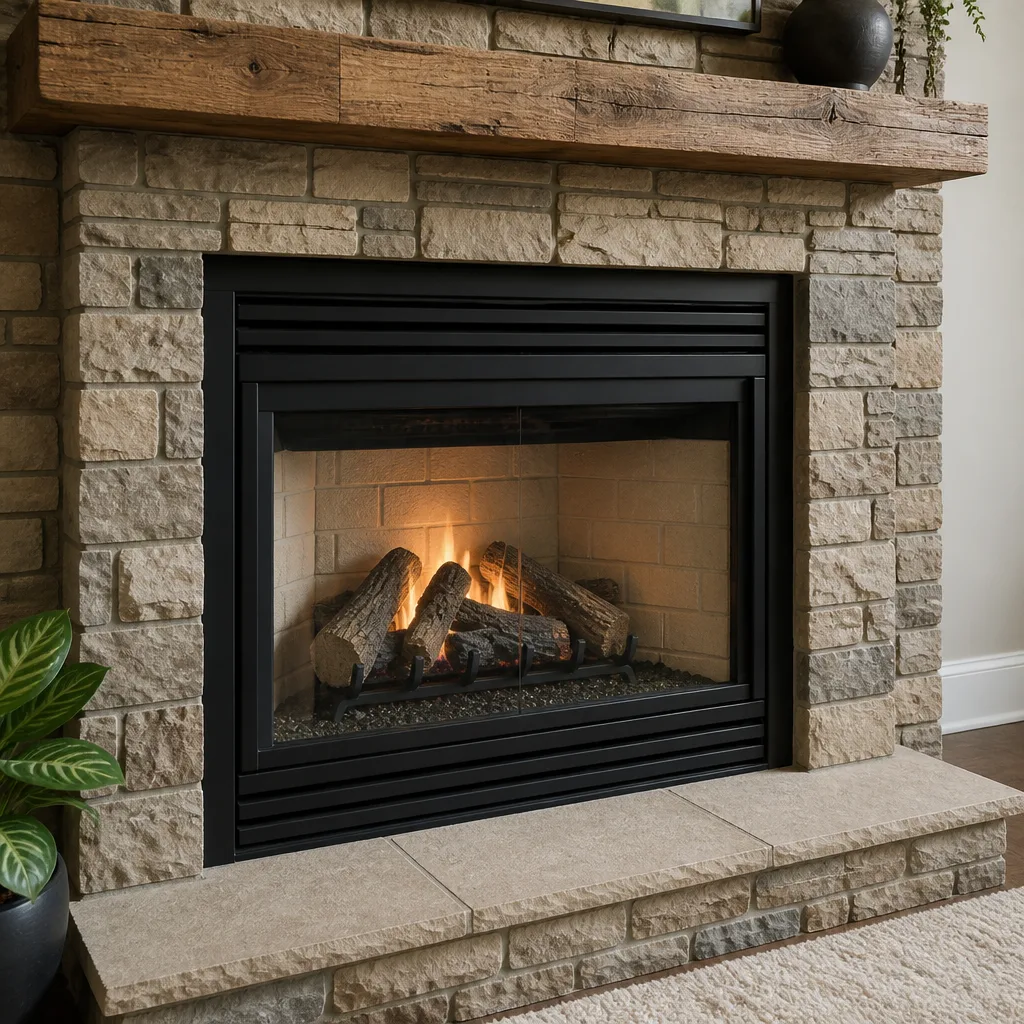 Gas fireplace service
Level 1 sweep and inspection to the NFPA 211 annual standard - flue, crown, cap, and flashing checked and photographed
Chimney sweep logs do not sweep chimneys. They loosen some creosote - which then falls where a brush and vacuum still have to collect it.
Chimney Cleaning Emergency Preparedness Guide for Park Santiago Homes
A chimney fire doesn’t always sound like a roaring blaze. In a flue that’s blocked or partly blocked, it can be a low rumble you mistake for wind in the eaves, and that quiet version is the one that can do the most structural damage before anyone thinks to dial 911. Park Santiago winters are mild enough that a lot of us burn less often than we mean to, and a flue that sits idle collects soot, nests, and creosote without any obvious sign. This guide walks through the three chimney emergencies most likely in Park Santiago, the decisions that matter in the first five minutes, and how to know when to call for help.
Quick Answer
If you suspect a chimney fire in Park Santiago, close the damper and the firebox doors (or glass doors) to starve the fire of air, get everyone out of the house, and call 911. After the fire department leaves, you need a Level 2 inspection before you burn again, not a routine sweep. For a carbon monoxide alarm from a gas appliance, leave the house immediately and call 911 or the gas utility, then call us for a chimney inspection. For a suspected blockage, stop using the fireplace and have the flue scoped with a camera before the next fire.
Styles & brands we work with
- Sweep & inspection
- Caps & crowns
- Flue relining
- Masonry repair
- Gas fireplace service
Table of Contents
- The Three Chimney Emergencies Most Likely in Park Santiago
- What to Do in the First Five Minutes of a Suspected Chimney Fire
- What Happens After You Call 911: Documentation and What Comes Next
- Why a Level 2 Inspection Is Required Before Reuse
- Carbon Monoxide and Gas Log Inserts in Park Santiago
- Animal Nests and Debris Blockage Discovered Mid-Use
- How to Verify the Chimney Is Clear Without Taking a Risk
- Prevention: Turning a Close Call Into a Maintenance Plan
The Three Chimney Emergencies Most Likely in Park Santiago
Most chimney emergencies we hear about fall into three categories, and each has a different first move. Knowing which one you’re in is half the battle.
- Chimney fire. Usually creosote igniting in the flue. It can be loud, or it can be a rumble and a tick you’d attribute to wind. Damage ranges from cracked tile liners to damage in the masonry itself.
- Carbon monoxide event from a gas appliance. Common in homes that run gas log inserts or gas fireplaces, especially where the flue has been blocked by a bird nest or a collapsed liner. CO is odorless, so the alarm is your only warning.
- Blockage discovered mid-use. A bird, squirrel, or nest of debris is revealed when smoke backs into the room instead of going up. Not a fire, but a sign you need to stop using the fireplace today.
Park Santiago’s typically mild winters mean many fireplaces sit unused for months, then get used heavily over a short stretch. That pattern makes a mid-season blockage or a creosote-loaded flue more likely than it would be in a colder climate where the chimney stays warm and drafting all winter. Schedule a chimney sweep before the season starts rather than in the middle of it, and a lot of these calls never happen.
What to Do in the First Five Minutes of a Suspected Chimney Fire
These are the moves that matter in the first five minutes of a suspected chimney fire, and they’re the same whether the fire is roaring or just rumbling.
- Get everyone out of the house. Adults, kids, pets. Do this before anything else, even if you’re not sure it’s a fire.
- Call 911. If you smell smoke inside, see glowing or discoloration at the top of the chimney, or hear a rumble from the flue, call. Firefighters would rather respond to a chimney that turned out fine than arrive to a house that caught in the attic.
- Close the damper and the firebox doors. Cutting off the air supply is the single most useful thing you can do from outside the flue. Never pour water down a hot chimney; the thermal shock can crack a clay tile liner.
- Wait outside until the fire department clears the house. Do not go back in to check on the fire, and do not climb onto the roof to look down the flue.
The reason you need both the fire department and a chimney sweep is that the fire department’s job is to put out the fire and confirm the house is safe to re-enter. A chimney sweep’s job is to determine what the fire did to the flue. Those are different questions, and the second one is the one that decides whether you can burn again. If the fire is small, contained to the flue, and the fire department has confirmed the structure is safe, you still need a professional assessment before the next fire. Call (855) 957-4437. We answer 24/7, with fast dispatch from 7am to 7pm, Sunday through Friday.
What Happens After You Call 911: Documentation and What Comes Next
After a chimney fire, the fire department typically documents what they found: signs of a flue fire, evidence of creosote burning, damage visible from the firebox or the roof, and whether the structure was safe to re-enter. That report is your record of the event. It’s not a chimney inspection.
What the fire department does not do, and cannot do, is look inside the flue with a camera, assess the condition of the liner, or tell you whether a cracked tile or a warped metal liner can safely contain the next fire. That’s the work of a chimney specialist. We’ve seen plenty of fire reports that describe a “minor” flue fire where a camera inspection later revealed a cracked tile that would have let hot gases into the surrounding masonry on the next burn.
What to do with the fire department’s report:
- Keep a copy. Your insurer may ask for it, and any chimney professional who inspects afterward should see it.
- Save any photos the fire department or you took of the firebox, the flue opening, the roof, and the cap.
- Do not use the fireplace until a Level 2 inspection has been completed and you have the report in hand.
We can work with your insurer on chimney repair claims, and we’d rather you ask us before the adjuster asks you. Call (855) 957-4437 for a free estimate.
Why a Level 2 Inspection Is Required Before Reuse
A Level 2 inspection is required before you burn again after a chimney fire, and it’s not optional. It’s a camera inspection of the full flue plus a visual inspection of the accessible parts of the chimney: the firebox, the smoke chamber, the flue, the crown, the cap, and the exterior masonry.
The reason it’s Level 2 specifically, rather than a routine sweep, comes down to what a chimney fire can do that a routine sweep can’t see. A fire can crack a tile liner lengthwise, open a seam between tiles, warp a metal liner, or damage the smoke chamber. None of that is visible from the firebox opening, and all of it makes the flue unsafe for the next fire. A routine sweep clears soot. A Level 2 inspection tells you whether the flue itself is sound.
Our chimney inspection service is a standalone offering, not a hook for an upsell. You get a written condition report with photos whether or not you decide to have any repair work done. If the flue is fine, the report says so and you can go back to burning. If there’s damage, you’ll see the photos yourself before anyone recommends work.
When a liner does need restoring, we work with HeatShield for ceramic resurfacing, which can repair a damaged flue from the inside without tearing out the chimney, and with DuraFlex stainless liner systems where the original liner has failed and full replacement is needed. Both are professional-tier products, spec’d for the specific flue, not hardware-store substitutes.
Carbon Monoxide and Gas Log Inserts in Park Santiago
If a carbon monoxide alarm goes off in a home with a gas log insert or a gas fireplace, treat it as a real event: get everyone out, call 911 or your gas utility from outside, and do not re-enter until they’ve cleared the house. CO is odorless and you will not get a second warning.
Gas appliances are common in Park Santiago, and they come with a specific chimney risk that wood-burning fireplaces don’t have. A gas fireplace or log set still depends on a clear flue to vent combustion gases up and out. If the flue is partially blocked by a bird nest, a squirrel cache, a collapsed liner, or soot from earlier wood burning, the exhaust can spill back into the room instead of going up. In a mild climate where gas fireplaces get used on cool mornings without much ceremony, a blocked flue can spill CO into a living room with the fireplace looking entirely normal.
What to check after a CO alarm event has been cleared by the fire department or gas utility:
- Whether the damper is opening fully and staying open. A damper that sticks partly closed is a common cause of spillback.
- Whether the cap on top of the chimney is intact. A missing or damaged cap is the most common way a nest gets into a flue in the first place.
- Whether the flue has been scoped since the last block of wood was burned. Gas appliance venting doesn’t clear out wood soot from previous use.
Annual inspection is the standard for any home with a gas insert. If you’re not sure when yours was last looked at, that’s a good reason to book one. Call (855) 957-4437 for a free estimate.
Animal Nests and Debris Blockage Discovered Mid-Use
If smoke rolls into the room when you light a fire, or if the fire struggles to draw, you’ve likely got a blockage or a sudden loss of draft. Stop using the fireplace. The three most common causes we find in Park Santiago chimneys are bird nests, squirrel debris, and a partially collapsed liner.
What to do when you suspect a blockage:
- Put the fire out. Let it die down naturally if you can, or close the doors to starve it. Do not try to reach into the firebox.
- Open a window briefly to clear smoke from the room, then close it. You want the smoke out of the living space, not the house ventilated so the flue drafts harder.
- Do not burn again until the flue is scoped. Not a small test fire. Not “just to see if it clears.” A clogged flue with a hot fire under it is how chimney fires start.
Barring waterfowl or the occasional raccoon, a nest sitting in the smoke shelf is often the whole problem. But you can’t tell from the firebox what kind of blockage you have, whether a bird has gotten past the smoke shelf into the flue, or whether a squirrel has pulled down part of a tile. That’s a camera scope job, not a flashlight-up-the-firebox job. A properly fitted chimney cap & crown keeps most of these blockages from happening in the first place, and if yours is missing or has rusted through, that’s the fix.
How to Verify the Chimney Is Clear Without Taking a Risk
The safe way to verify a chimney is clear is a camera scope of the flue from the firebox up to the top. A flashlight and a mirror will show you the firebox and a bit of the damper, and nothing above it. The parts of the flue where blockages and liner damage actually live are out of sight of any inspection you can do from the hearth.
Things you should not do to verify a chimney:
- Climb onto the roof to look down the flue. Roof work around a chimney is the single most dangerous part of chimney maintenance, and it’s a fall risk even on a one-story house.
- Run a brush or a plumbing snake up the flue yourself. A brush can dislodge a partial blockage and send it down onto a hot firebox, or drag a nest into a position where it blocks the smoke shelf entirely.
- Light a small fire to “see if it draws.” A blocked flue with a fire under it can push CO into the room before you realize what’s happening.
A camera inspection is what lets us tell you, in specific terms, whether the flue is clear, whether the liner is intact, and whether the crown or cap has a problem that let the blockage in. You get photos of what we saw. If the flue is fine, the report says so. If the blockage is a nest, we remove it and re-check. If the liner is damaged, we tell you what it’ll take to fix it and what can safely wait. That’s the whole point of a standalone inspection: an honest condition report before you commit to any repair.
Prevention: Turning a Close Call Into a Maintenance Plan
Most of what we’re called out for is preventable with an annual sweep and a cap that fits. The chimney is one of the few parts of a house that can fail silently for months and only show the problem when something’s already burning under it.
A sensible annual routine for a Park Santiago home with a working fireplace:
- One sweep before the burning season – clears soot and creosote while the fireplace is idle.
- One inspection with a camera – confirms the liner, smoke chamber, and crown are intact. This is where most repairs get caught early.
- Cap and crown check – a properly fitted cap keeps birds and squirrels out; a sound crown keeps water from working into the masonry.
- Gas appliance check – if you have a gas log insert, the flue gets checked even if you rarely burn wood.
We work on the whole chimney system, not just the flue: sweep, inspection, fireplace repair, cap and crown, and structural chimney repair, all under one company. When you call us for a sweep and we find a crown that needs replacing or a firebox that needs relining, you don’t have to chase down a second contractor. We spec the work with professional-grade materials from Olympia Chimney, DuraFlex, HeatShield, and Famco, the same brands professional chimney contractors source directly. Our technicians have up to 8 years of experience, all of it on chimneys.
Common Mistakes to Avoid
- Assuming a quiet chimney fire is a small one. A fire that rumbles rather than roars is often the one doing structural damage quietly behind the liner. Treat any rumble, tick, or sudden smell of smoke in the house as a fire until someone qualified says otherwise.
- Skipping the Level 2 inspection after a fire. A routine sweep after a fire clears soot but doesn’t show you the cracked tile. The Level 2 camera inspection is the step that decides whether the chimney is safe to burn in again.
- Burning a “test fire” to see if a blocked flue clears. A partially blocked flue with a fire under it can spill CO into the room. Stop using the fireplace and get the flue scoped instead.
- Climbing onto the roof to check for nests. Fall risk from a roof pitch around a chimney is real, and it’s easily avoided with a camera scope from the firebox.
- Ignoring the gas log insert between seasons. In a mild Park Santiago climate, a gas insert can run for a few cool mornings a year and never get inspected. A blocked flue on a gas appliance spills CO just the same as a wood fire.
- Replacing the cap with an undersized hardware-store screen. A cap that doesn’t fit the flue correctly is the most common reason birds and squirrels get in. A properly sized cap from a professional line (Olympia Chimney and Copperfield both make caps sized to the flue) closes the gap.
- Letting a missing crown go unfixed. A cracked or missing crown lets water work into the masonry above the firebox. Water damage in the chimney shows up as a liner problem a season or two later, and by then the repair is bigger.
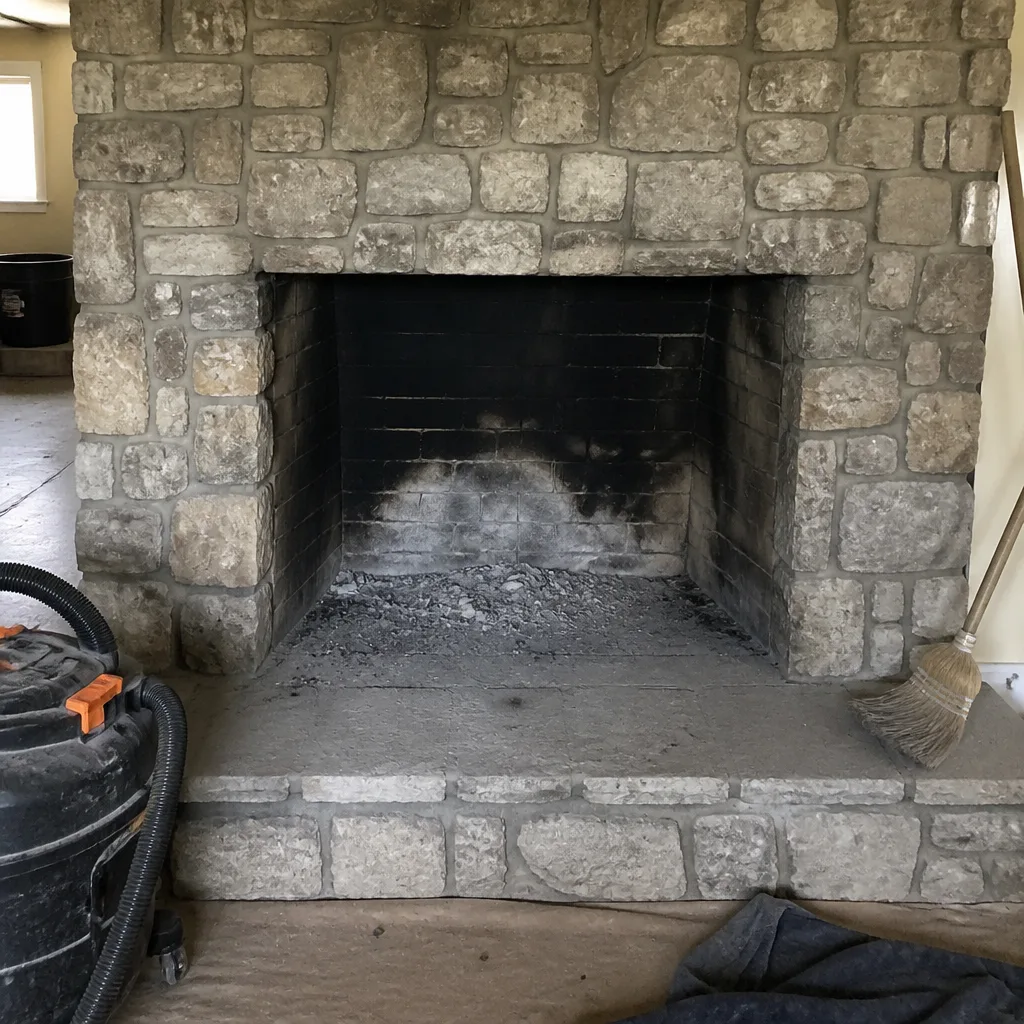
See the difference
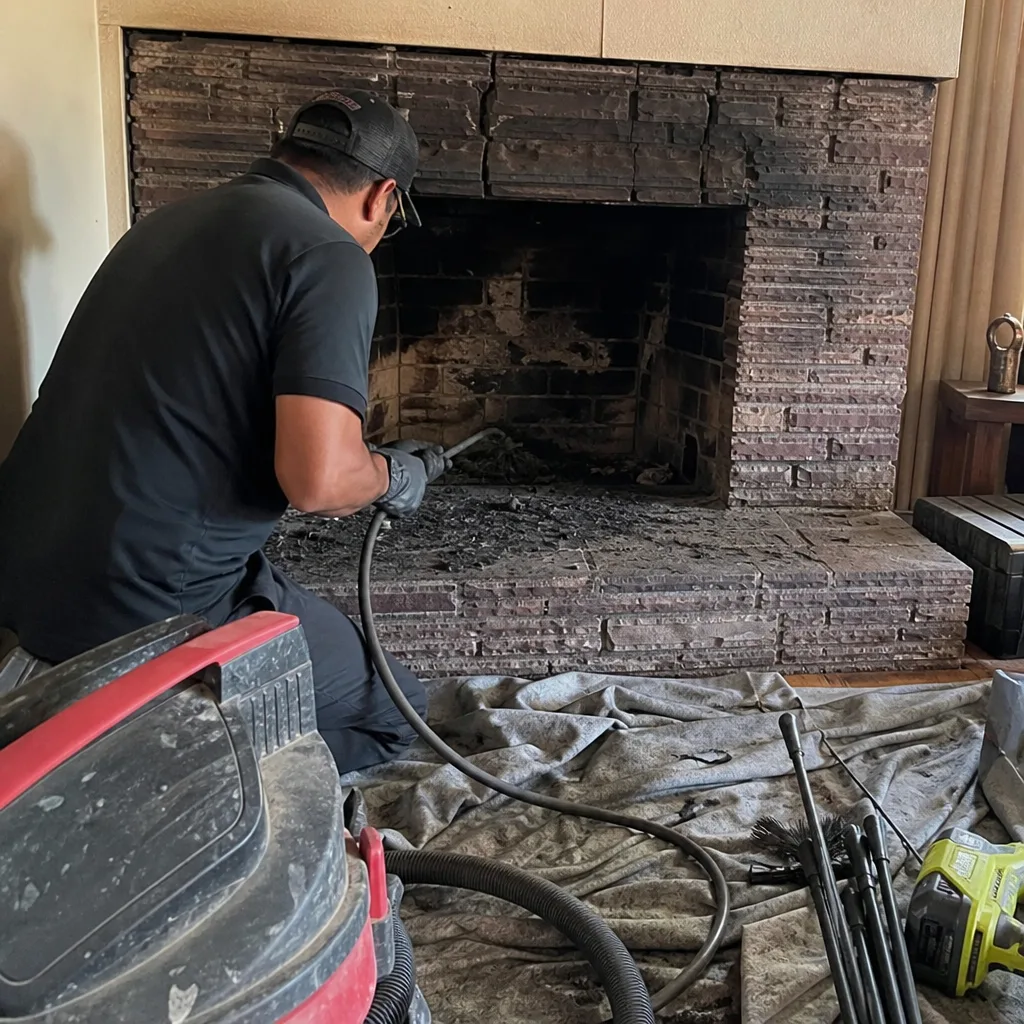 Before
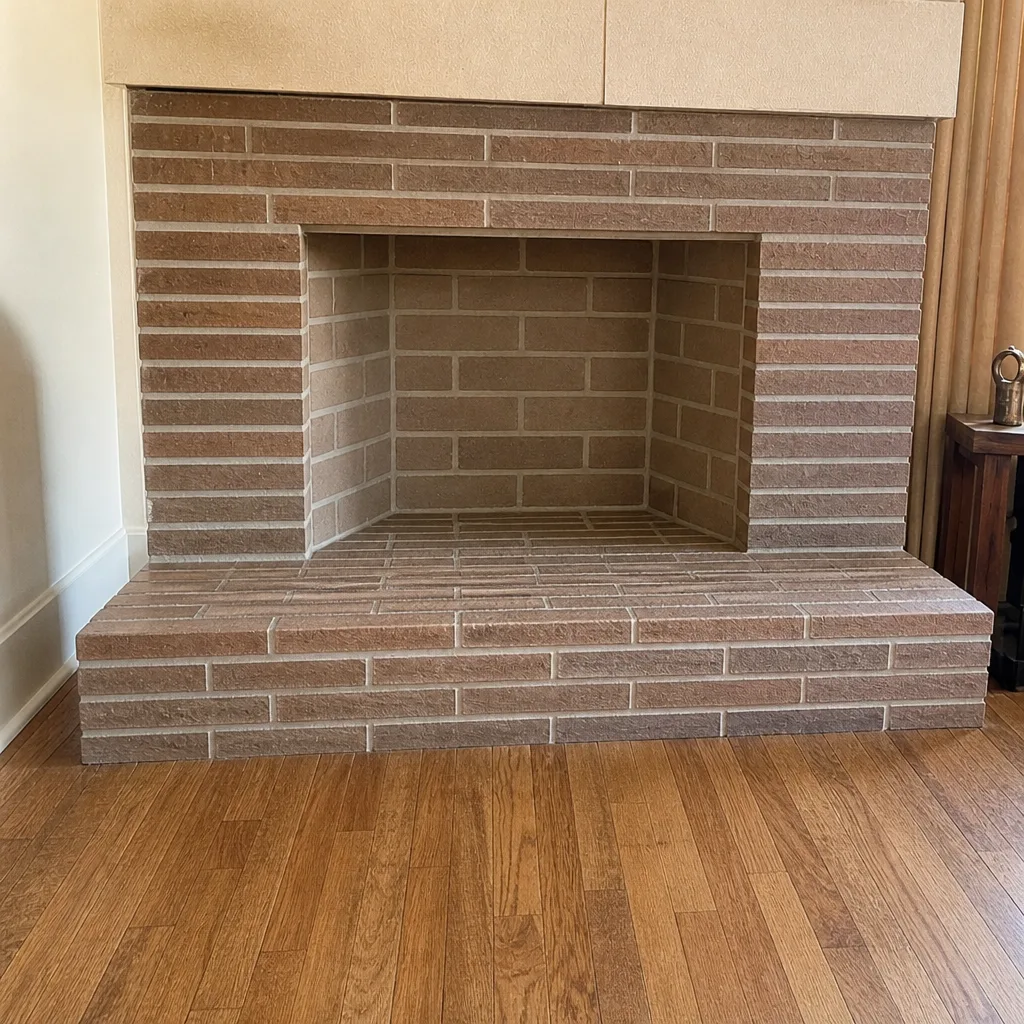 After
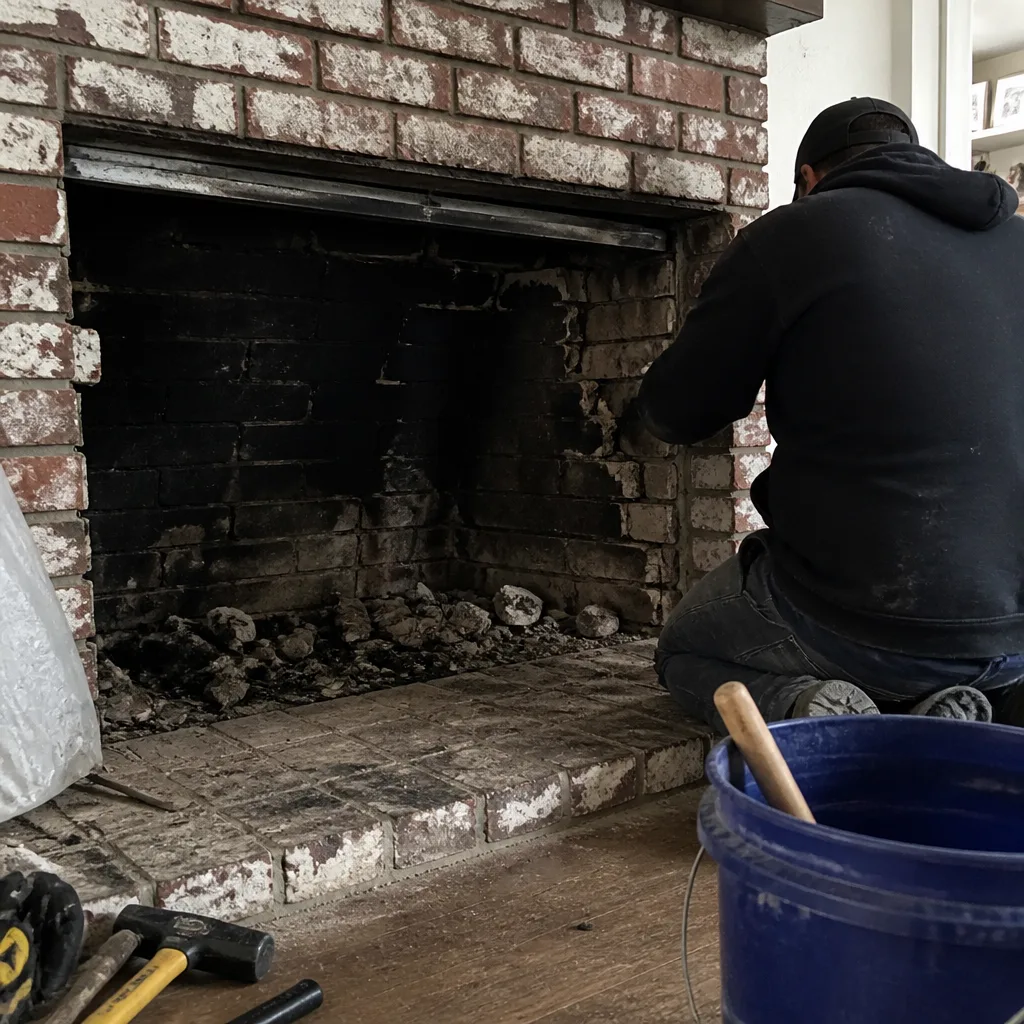 Before
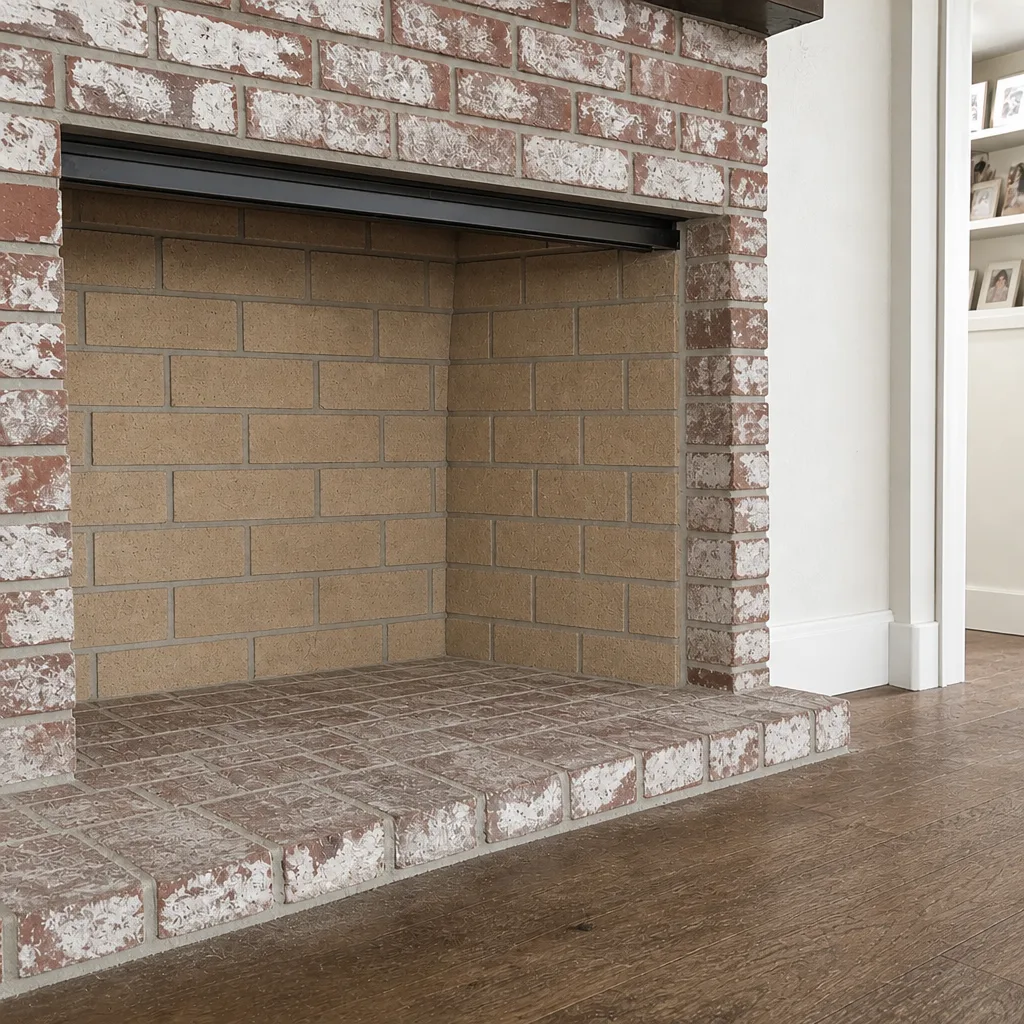 After
 Before
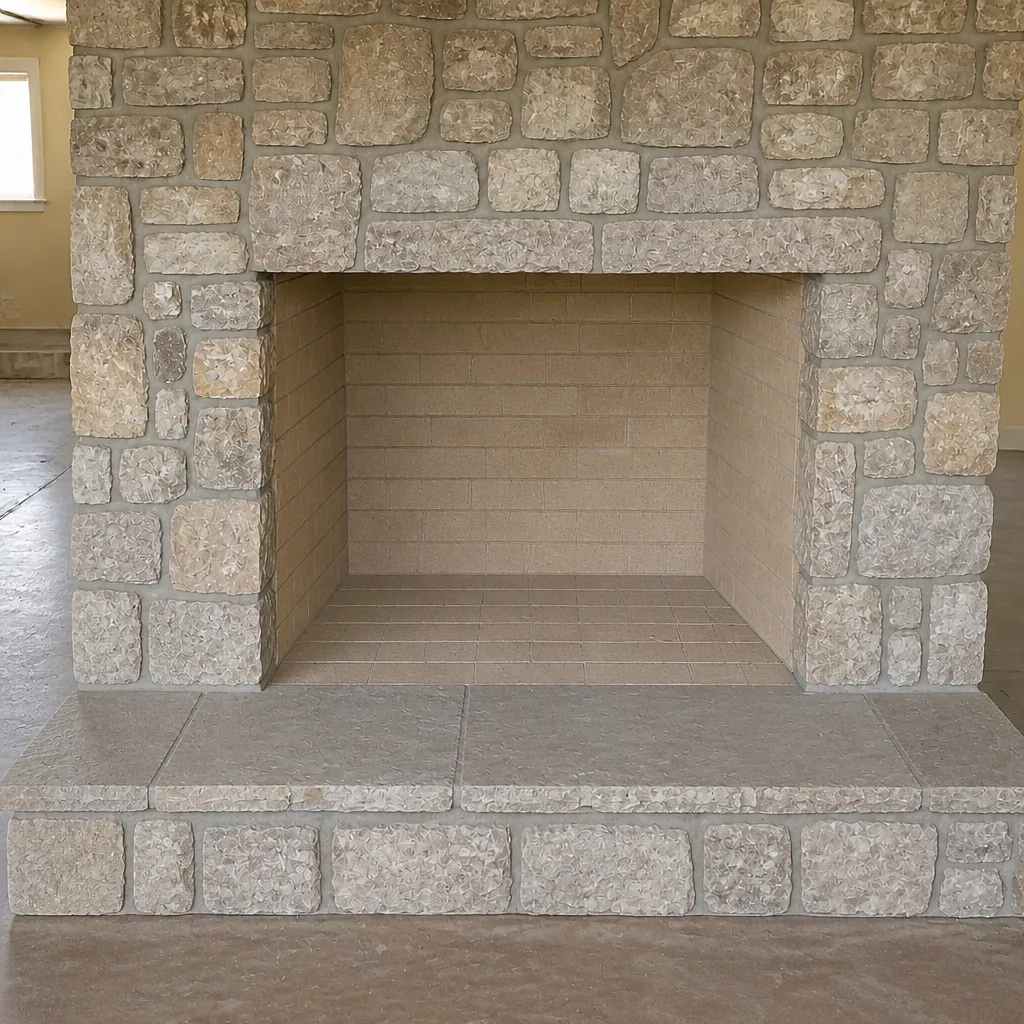 After
When to Call a Professional
Call us when you’ve had a chimney fire and need a Level 2 inspection before you burn again, when a CO alarm has gone off and the gas utility has cleared the house, when smoke backs into the room and you can’t tell what’s blocking the flue, or when you’re not sure the last time your chimney was actually looked at. We also want the call when a cap has blown off or a crown has cracked, since those are the small repairs that prevent the big ones. If you’re considering a repair bid from another contractor and something doesn’t add up, we’ll give you a straight second opinion. Chimney Sweep Park Santiago offers free estimates in Park Santiago. Call (855) 957-4437. We answer 24/7. Fast dispatch from 7am to 7pm, Sunday through Friday.
Frequently Asked Questions
You may not know for certain, and that’s the point. Signs include a rumble or roar from the flue, a smell of smoke inside the house, a sudden pungent creosote smell, discoloration or a warped cap on top of the chimney, or puffy, honeycombed creosote inside the firebox. If you suspect one, treat it as real: get out, call 911, and book a Level 2 inspection before the next fire. Call (855) 957-4437 for a free estimate.
No. The fire department clears the house for re-entry, but they don’t inspect the flue. A chimney fire can crack a tile liner or warp a metal liner without any visible sign from the firebox, and the only way to know whether the flue is safe to burn in again is a Level 2 camera inspection. Call us before the next fire. (855) 957-4437.
Yes. The gas utility checks the appliance. The chimney specialist checks the flue the appliance vents into. A blocked or partially blocked flue is a common reason a gas log insert spills CO even when the appliance itself is working correctly, and a camera inspection is how you find out. Call (855) 957-4437 for a free estimate.
Once a year for a home that uses its fireplace regularly, and once a year for a home with a gas insert even if you rarely burn. In a mild climate, a fireplace can sit idle for months and then be used heavily over a short stretch, so the annual sweep matters more, not less. If you’ve had a chimney fire or a blockage, sweep and inspect before the next use. Call (855) 957-4437.
A Level 2 inspection includes a camera inspection of the full flue, plus a visual inspection of the firebox, the smoke chamber, the damper, the crown, the cap, and the accessible exterior chimney. You get a written condition report with photos. It’s a standalone service at Chimney Sweep Park Santiago, not a package that exists only to sell repairs. Call (855) 957-4437 for a free estimate.
Sometimes, yes. When the damage is to the interior of the flue, we can often restore it from the inside with HeatShield ceramic resurfacing, or reline it with a DuraFlex stainless system, without tearing out the masonry. When the damage involves the crown or the exterior masonry, that’s structural chimney repair, which we also handle. A camera inspection tells you which of those you’re facing. Call (855) 957-4437 for a free estimate.
The Bottom Line
The chimney emergency most likely to catch a Park Santiago homeowner off guard isn’t a roaring fire. It’s the quiet one, or the CO alarm on a gas insert, or the bird nest that shows up as smoke in the room mid-season. The first five minutes matter, but the decision that follows matters more: a Level 2 inspection before the next fire, whichever of those events you’ve had. If you’ve never had your chimney scoped, that’s the check to book this season, and it’s the one that tells you, with photos, whether your flue is sound. Call (855) 957-4437 for a free estimate.
Written by the team at Chimney Sweep Park Santiago.