
Last updated November 25, 2026
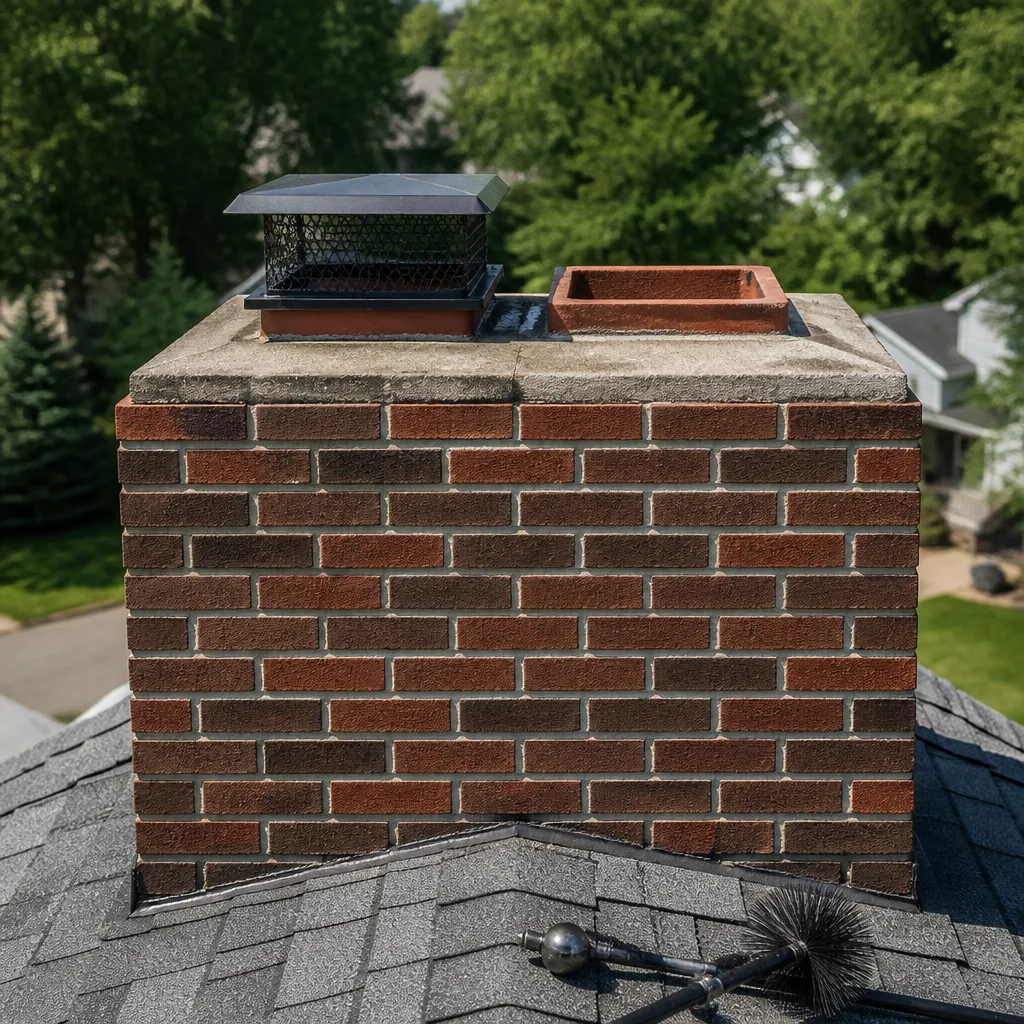 Sweep & inspection
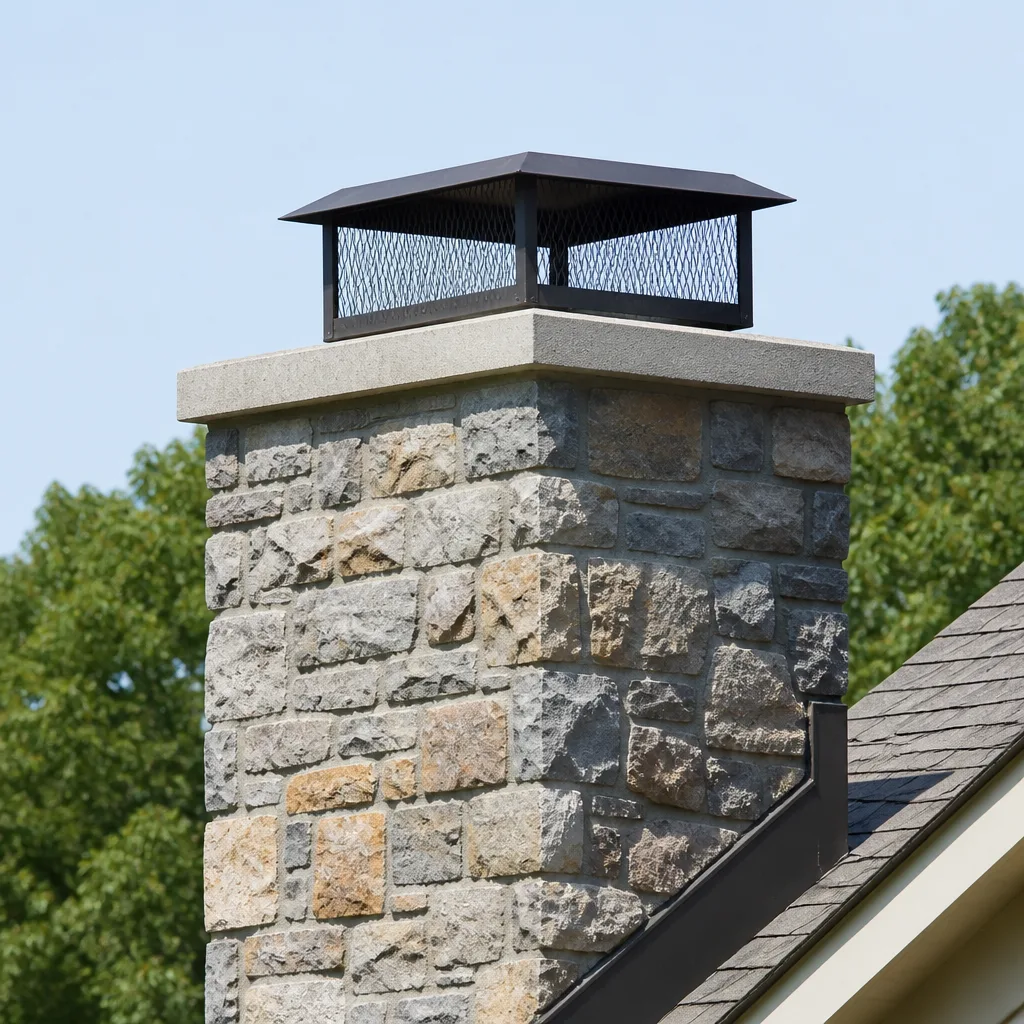 Caps & crowns
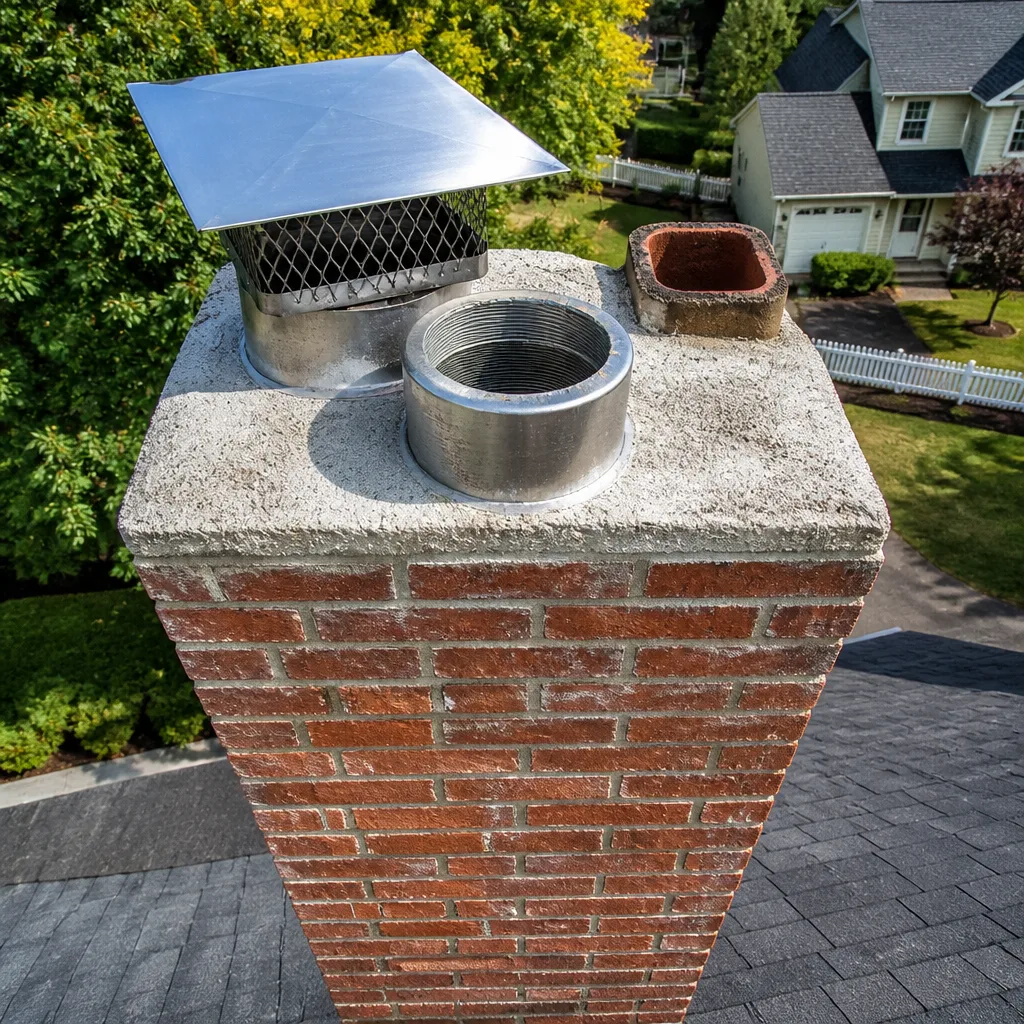 Flue relining
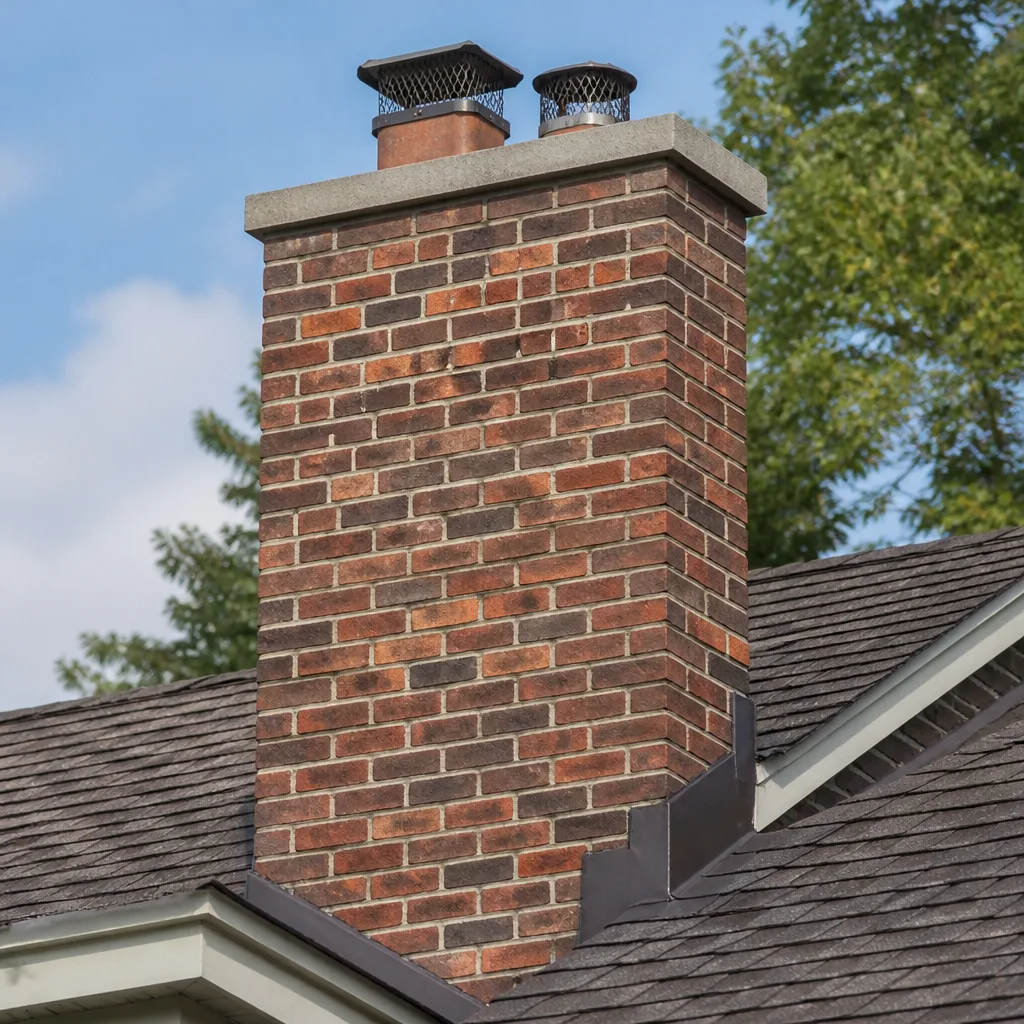 Masonry repair
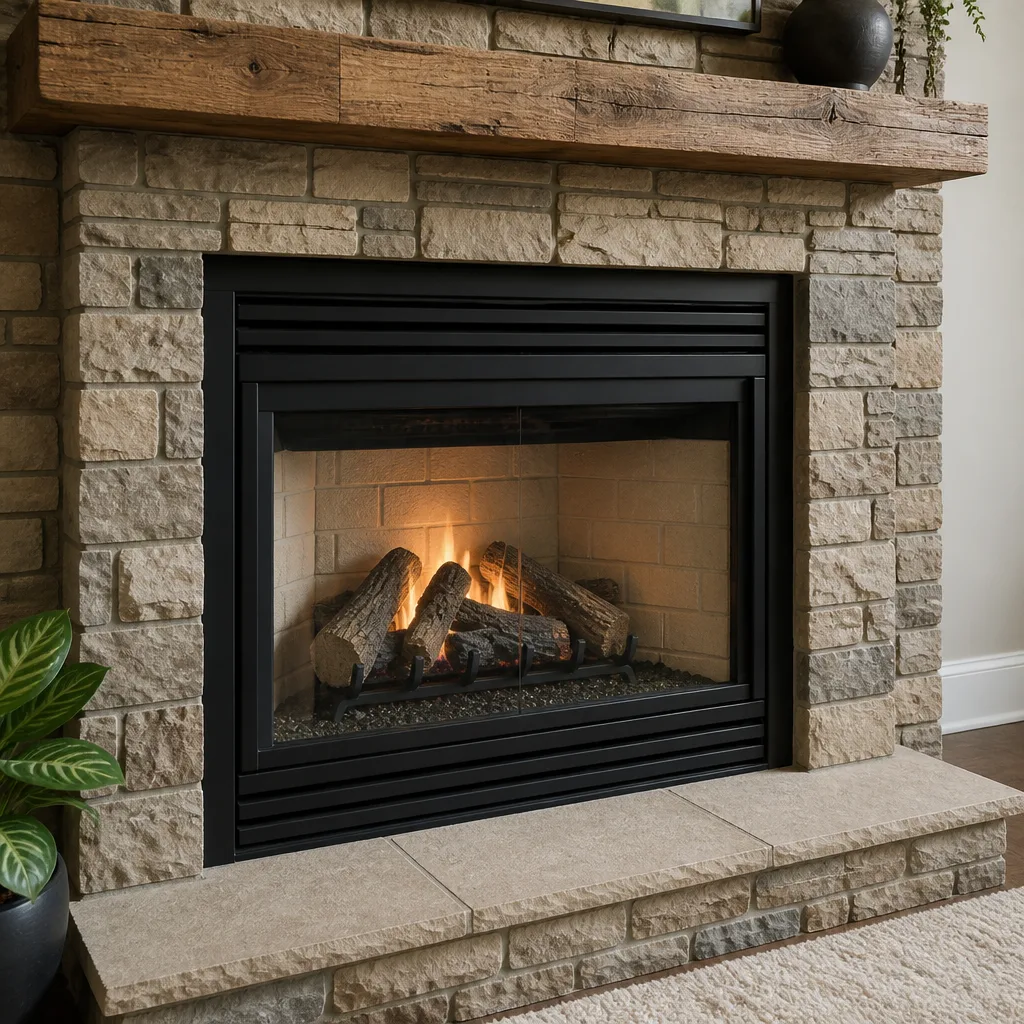 Gas fireplace service
Level 1 sweep and inspection to the NFPA 211 annual standard - flue, crown, cap, and flashing checked and photographed
Chimney sweep logs do not sweep chimneys. They loosen some creosote - which then falls where a brush and vacuum still have to collect it.
Choosing the Right Chimney Cleaning Brand: A Buyer’s Guide for Park Santiago
When a chimney contractor applies a creosote treatment or reseals your crown, the product they reach for matters as much as their technique. Two contractors can follow the same procedure and get very different results, because the difference between a professional-grade formulation and a hardware-store substitute can be measured in years of service life. Most homeowners never think to ask which products will touch their flue, and many don’t know the product categories exist. This guide explains what those products are, what “professional-grade” actually means in chimney work, what California rules require, and the exact questions that separate a specialist from a generalist. We’ll also show you why this matters in Park Santiago specifically.
Quick Answer
The right chimney cleaning brand is one whose products are spec’d for the job at hand: high-temperature-rated liner systems, California-compliant sealants, and creosote treatments applied by a trained technician who knows the flue’s condition first. For most Park Santiago homes, that means working with recognized industry brands such as DuraFlex and Olympia Chimney for liners, and matching the product to the flue rather than buying whatever the nearest shelf carries. Technique and product are a pair; when either is off, performance drops.
Styles & brands we work with
- Sweep & inspection
- Caps & crowns
- Flue relining
- Masonry repair
- Gas fireplace service
Table of Contents
- Why the brand of products used during a cleaning actually matters
- The four product categories you’ll see in professional chimney service
- What “professional-grade” means in chimney product terms
- California product compliance and why it limits your choices
- The questions to ask a contractor about their product choices
- Products that require a skilled applicator versus products where brand does the work
- What Park Santiago conditions mean for product selection
- Common mistakes to avoid
Why the brand of products used during a cleaning actually matters
A chimney sweep is not a single product; it’s a chain of products applied in a specific order. The sweep itself might use a specialized creosote remover, a flue brush suited to the flue material, a camera inspection and photo report, and possibly a chemical treatment for stubborn glaze. A repair might add a crown sealer, a masonry repair compound, a liner connector, or a full stainless liner system. Every link in that chain has a manufacturer and a spec sheet. When one link is weak, the whole chain carries a shorter service life.
Here’s what most homeowners miss: the difference between a professional product and a consumer substitute isn’t dramatic on day one. It shows up in year three, five, or ten, when a cheap crown sealer has cracked and water has found its way into the masonry, or when a low-grade liner connector has failed at the joint. In our experience, the choice of product is one of the biggest predictors of how long a repair lasts. That’s why we work only with professional-tier materials from brands that chimney specialists source directly.
The Park Santiago angle is simple. This is a Southern California climate with mild winters, which means chimneys often sit dormant for months and then see heavy seasonal use when the first cool nights arrive. Products that can handle the temperature swings of an intermittently used chimney, and that don’t degrade in long idle periods, are the right fit. A professional-grade product is designed with that use pattern in mind. A hardware-store substitute usually isn’t.
The four product categories you’ll see in professional chimney service
Chimney work draws on a predictable set of product categories. Knowing them by name makes it much easier to follow what a contractor is proposing and to spot when a suggestion doesn’t match the diagnosis.
1. Creosote removers and treatments
Creosote is the tar-like residue that builds up on the inside of the flue from burning wood. It can be powdery, flaky, or (in its worst form) a hard glaze that’s difficult to remove. Sweeps use a combination of mechanical brushing and, when needed, chemical treatments to break down glaze. Professional-grade treatments are formulated to work with the flue material and the type of creosote present.
2. Crown sealers
The crown is the concrete or masonry cap at the top of the chimney. A good crown sealer is flexible, UV-stable, and rated for outdoor exposure. It protects against water intrusion, which is the main cause of masonry damage. The product’s flexibility is key: a rigid sealer cracks when the crown expands and contracts, and once cracked, it’s doing nothing.
3. Chimney sealants
Sealants are used at joints, flashing, and other transition points. A pro-grade sealant is rated for the temperatures a chimney sees and for prolonged sun exposure. Consumer-grade silicone products can look identical but fail in a few seasons. The difference often isn’t visible on the tube.
4. Liner repair systems
Liner work is where brand matters most. HeatShield is a ceramic resurfacing system used to restore aging flues without tearing out the original liner. DuraFlex stainless liner systems are used when the flue needs a new liner altogether. Both are professional systems applied by trained technicians, and both carry manufacturer specs that tell you exactly what conditions they’re designed for.
When we work on a chimney in Park Santiago, we start by identifying which of these categories applies, then spec the product to the problem. We work with Olympia Chimney, Famco, and Copperfield for components and accessories as well, and never sub in a general-purpose substitute because it’s what happened to be on hand.
What “professional-grade” means in chimney product terms
“Professional-grade” is thrown around loosely. In chimney work, it actually means something specific, and it’s worth knowing the three things that determine it.
Temperature ratings
Anything that touches a flue or its connectors has to handle the temperatures the appliance produces. A liner rated for the wrong temperature range is a liability. Product spec sheets list the temperature rating; professional products are tested and verified for the application. A general-purpose sealant without a temperature rating is a wild guess.
VOC compliance with California regulations
California limits the volatile organic compound content of many sealants and coatings. A product sold in another state may not meet California’s VOC standards, which means an out-of-state contractor’s favorite product may not be legal to apply here. Professional-grade means compliant with the rules of the state the work is happening in, not just functional. This is where a lot of do-it-yourself advice and online product reviews fall apart.
ASTM testing standards
ASTM publishes standards that many chimney products are tested against. A manufacturer that submits its products for independent testing can show you the results. A manufacturer that doesn’t is asking you to take its word for it. When a contractor talks about “professional-grade,” asking whether the product carries an ASTM-tested specification is a fast way to tell the difference between a claim and a fact.
You don’t need to memorize the standards. You do need to know that they exist, and that a contractor worth hiring will be comfortable talking about them.
California product compliance and why it limits your choices
California’s air quality rules affect the chimney trade in ways homeowners rarely consider. Not every chimney sealant or treatment sold nationally meets California VOC limits.
What this means in practice:
- A contractor who uses the same products they used in another state may be applying products that don’t meet California requirements.
- Product research from out-of-state forums or video channels is often unreliable for Park Santiago homeowners, because the recommended product may not be sold legally here.
- A specialist working in Park Santiago will be sourcing compliant formulations, which usually means professional-tier brands that publish their compliance data.
- Compliance isn’t the same as effectiveness. A product can be compliant and still be wrong for the job. Professionals consider both.
This is also why “just use what the hardware store has” is an unreliable approach. The hardware store carries what it can sell legally; it doesn’t carry everything a specialist needs. The right question is not “what’s available?” but “what’s the correct product for this specific flue, in this specific state?”
The questions to ask a contractor about their product choices
You don’t need to become a chimney expert to evaluate a contractor. You need to ask the right questions and listen for whether the answer is specific or vague. Here’s a numbered list you can take with you.
- What product will you use for this specific job, and why? An acceptable answer names the product, explains how it matches the diagnosis, and mentions the condition on your flue that drove the choice. An evasive answer talks about “the best products” without naming one.
- Is the product rated for the temperature and application? Acceptable: the contractor can tell you the rating or point you to the spec sheet. Evasive: they haven’t thought about it or don’t know.
- Is it compliant with California standards? Acceptable: yes, and they can say why it matters. Evasive: “everyone sells it” or “we’ve never had a problem.”
- Who manufactures it, and what’s their specialty? Acceptable: a recognized chimney-industry brand such as DuraFlex, HeatShield, Olympia Chimney, Famco, or Copperfield. Evasive: a brand that’s actually a general building-products company repackaging the formula.
- Does the product require a trained applicator to perform correctly? Acceptable: yes, for the products that do, with a description of what training or experience the technician has. Evasive: “anyone can do it.”
- What happens if the product fails early? Acceptable: a clear warranty position from the manufacturer and from the company. Evasive: finger-pointing about installation or about the product.
- Can I see photographs of the condition before and after? Acceptable: a camera inspection and photo report included as standard. Evasive: “we don’t usually take pictures.”
You’ll notice a theme: the answers that work are specific, and the answers that don’t are broad. When a contractor can talk confidently about the product on your flue, that’s the sign you’re working with a specialist. When the answers wander, keep asking, or keep calling.
Products that require a skilled applicator versus products where brand does the work
Not all product choices carry the same weight. Some depend on the person applying them; some depend mostly on the manufacturer. Understanding which is which tells you where to focus your questions.
Products that depend on the applicator
- Creosote removers: the wrong concentration or dwell time can damage the flue or fail to break down glaze. Application matters as much as the product.
- Crown sealers: surface prep and thickness control determine whether the sealer holds. A great product applied poorly will fail.
- Ceramic resurfacing systems such as HeatShield: the product is professional-tier, but the application requires trained, experienced hands. The system’s reputation comes from both the formulation and the applicator’s technique.
Products where the brand carries most of the load
- Stainless liner systems such as DuraFlex: component quality, joint design, and gauge of steel determine most of the performance. A trained installer is still required, but the difference between a top brand and a marginal one is real and measurable.
- Chimney caps and crown assemblies from Olympia Chimney and similar brands: the components are manufactured, not hand-built on-site, so the manufacturer’s quality control is where the reliability comes from.
- Standardized accessories: clamps, connectors, and fasteners are commodity parts, and the brand on the box matters less than matching the part to the application.
We use professional systems from these brands because, in our experience, they’re the ones that consistently hold up in the field. And because our focus is chimney work only, our technicians are trained specifically on how each system applies and where it belongs.
What Park Santiago conditions mean for product selection
Park Santiago is not a climate that stresses a chimney the way a mountain town does. Mild winters mean most chimneys sit idle for months, then swing into regular use when the season turns. That pattern has a few implications for product choice.
First, crack flexibility in crown sealers matters more here than raw cold resistance. Southern California sun exposure is steady, and UV degradation is a real concern. Second, the long idle period means a product that can sit quietly without absorbing moisture or degrading has an advantage. Third, when chimneys are used seasonally, the swing between cool and heated conditions puts stress on any joint, so sealants rated for thermal movement matter.
Local homes vary widely in construction, from older masonry chimneys to newer builds with prefab systems, and the right product differs for each. A specialist assessing a chimney in Park Santiago needs to be able to look at what’s there and reach for the right product, not reach for the same product every time. If you want to see how a thorough inspection looks, our chimney sweep and inspection service is a good starting point, and it’s a standalone offering rather than a sales pitch for repairs. For issues that go beyond the flue, fireplace repair addresses the firebox and appliance side, and chimney cap & crown work protects the top of the system from water and debris.
How a specialist decides which product to use
There’s a rhythm to good chimney work, and it has less to do with product catalogs than with observation. Here’s how a trained technician thinks through a product decision.
- Look before you touch. A camera inspection shows what’s actually inside the flue, and the condition report drives everything that follows.
- Identify the problem category. Creosote buildup? A cracked crown? A failing liner joint? Each has a product family.
- Match the product to the flue material and appliance. Masonry and prefab chimneys take different products. A wood-burning fireplace and a gas appliance differ as well.
- Check compliance and rating. Confirm the product is rated for the application and compliant with California standards.
- Apply with the right hands. Products that need trained application get it. Products that don’t still get installed correctly.
- Photograph the result. A finished job should leave you with a record you can see, not just a promise.
When we handle a chimney in Park Santiago, this sequence is the standard. Nothing is recommended without a camera inspection and photos you can review, and we’ll tell you plainly when work can safely wait. An estimate you can trust starts with a report you can see.
How to compare two contractors when the products differ
Two bids that look similar on paper may differ substantially once you ask what products are being specified. Here’s a quick way to compare them.
- Ask each contractor to name the product categories they’ll use. Bids that name products and manufacturers are easier to compare than bids that just list a price.
- Compare the brand tier, not just the number. Two bids that both use “a sealant” can be thousands of dollars apart in lifespan.
- Ask about system compatibility. A liner, connector, and cap need to work together. A contractor mixing brands without thinking about compatibility may be saving money at your expense.
- Ask about California compliance for both. If one bid names a compliant professional product and the other is vague, that’s a signal.
- Ask what happens if a product fails prematurely. A confident answer about manufacturer warranty is reassuring; a shrug is not.
None of this requires you to become a product expert. It requires the contractor to be able to answer at the level of the product, which specialists can and generalists often can’t.
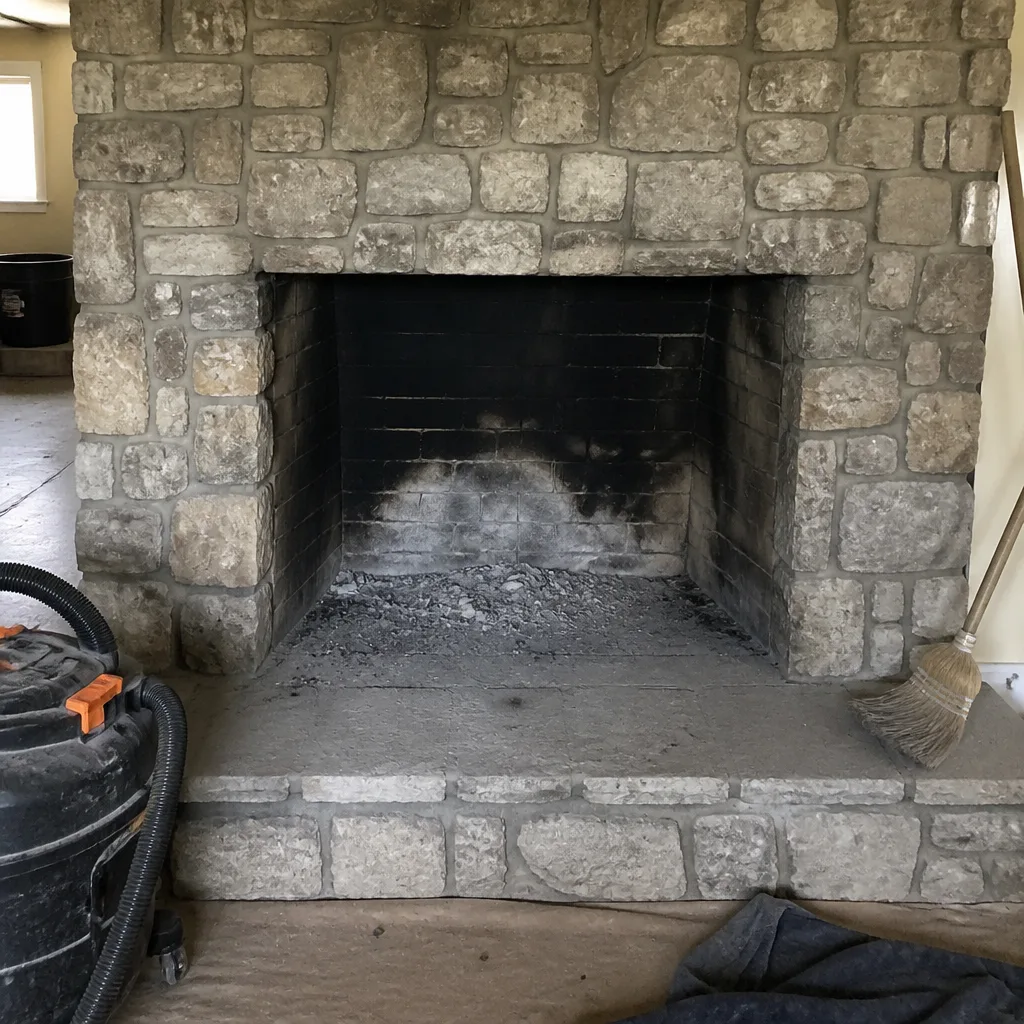
See the difference
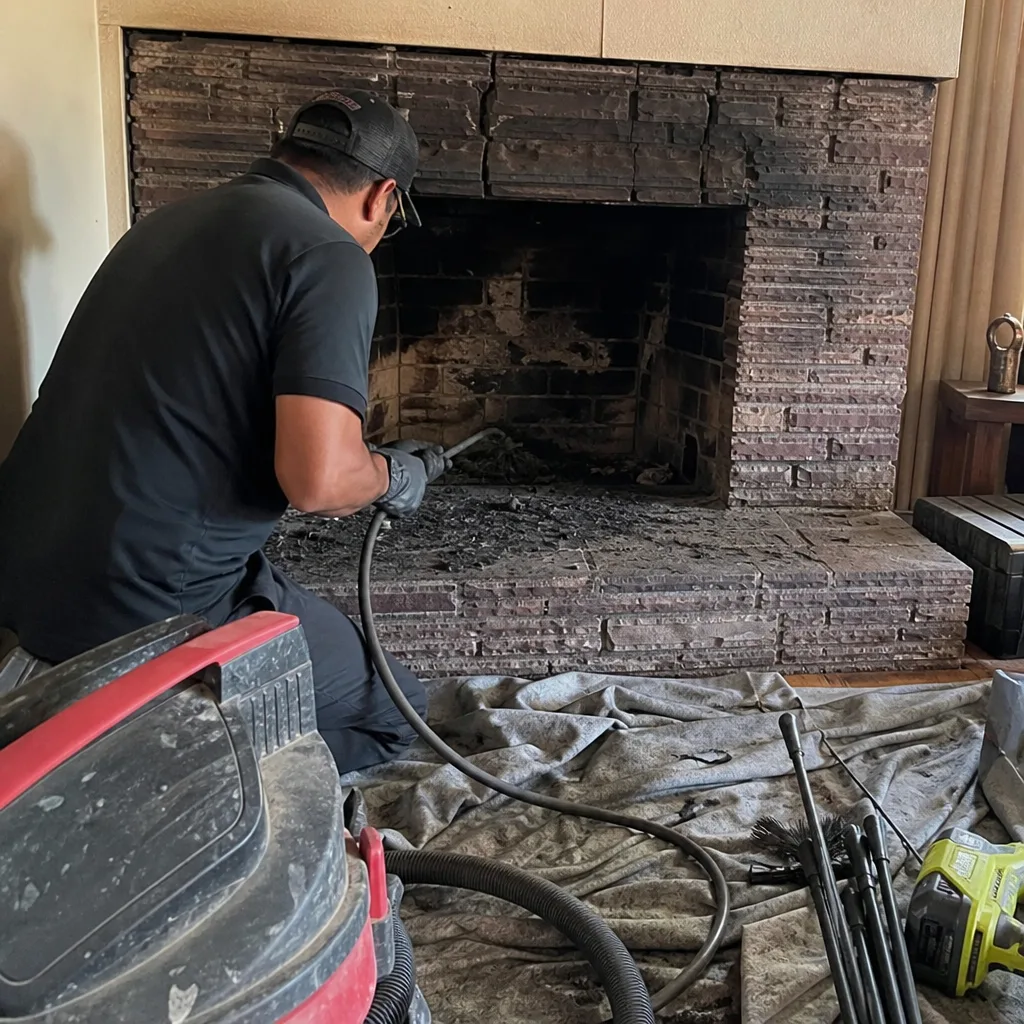 Before
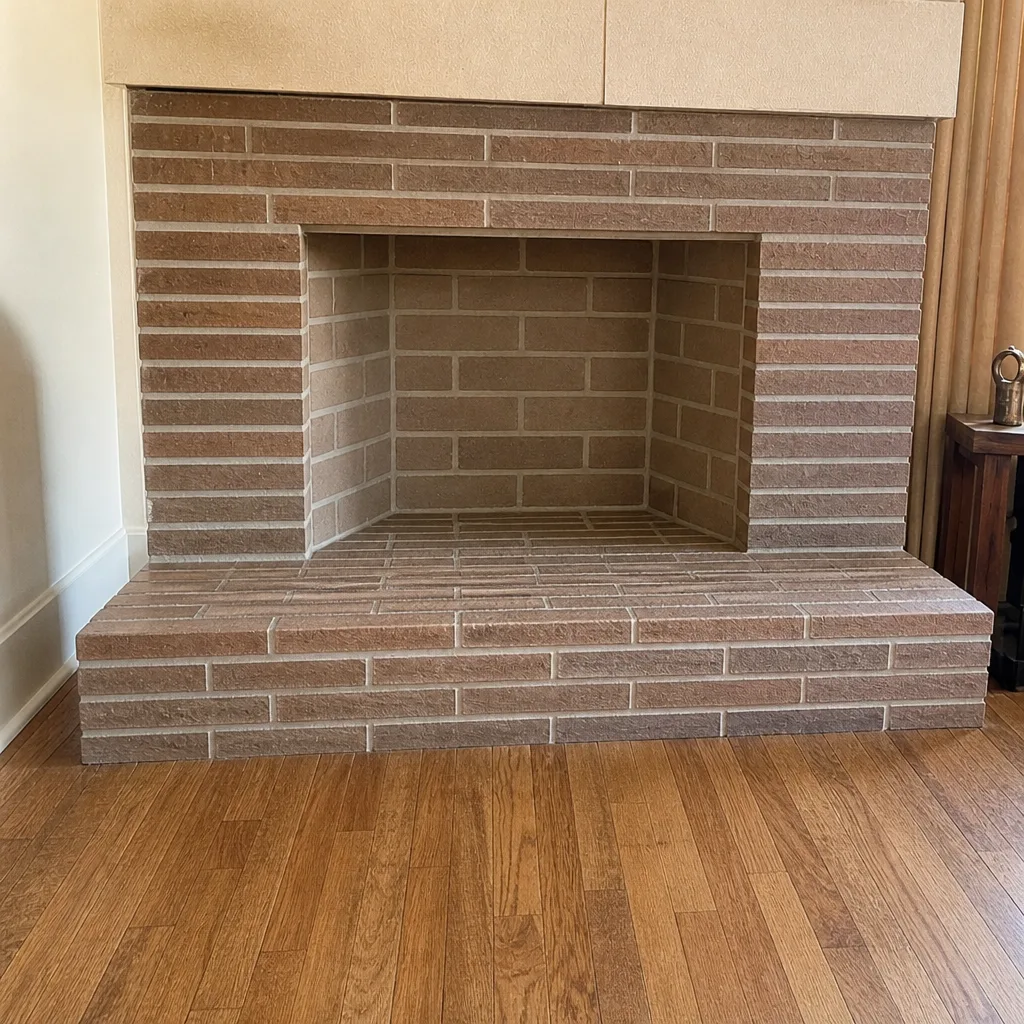 After
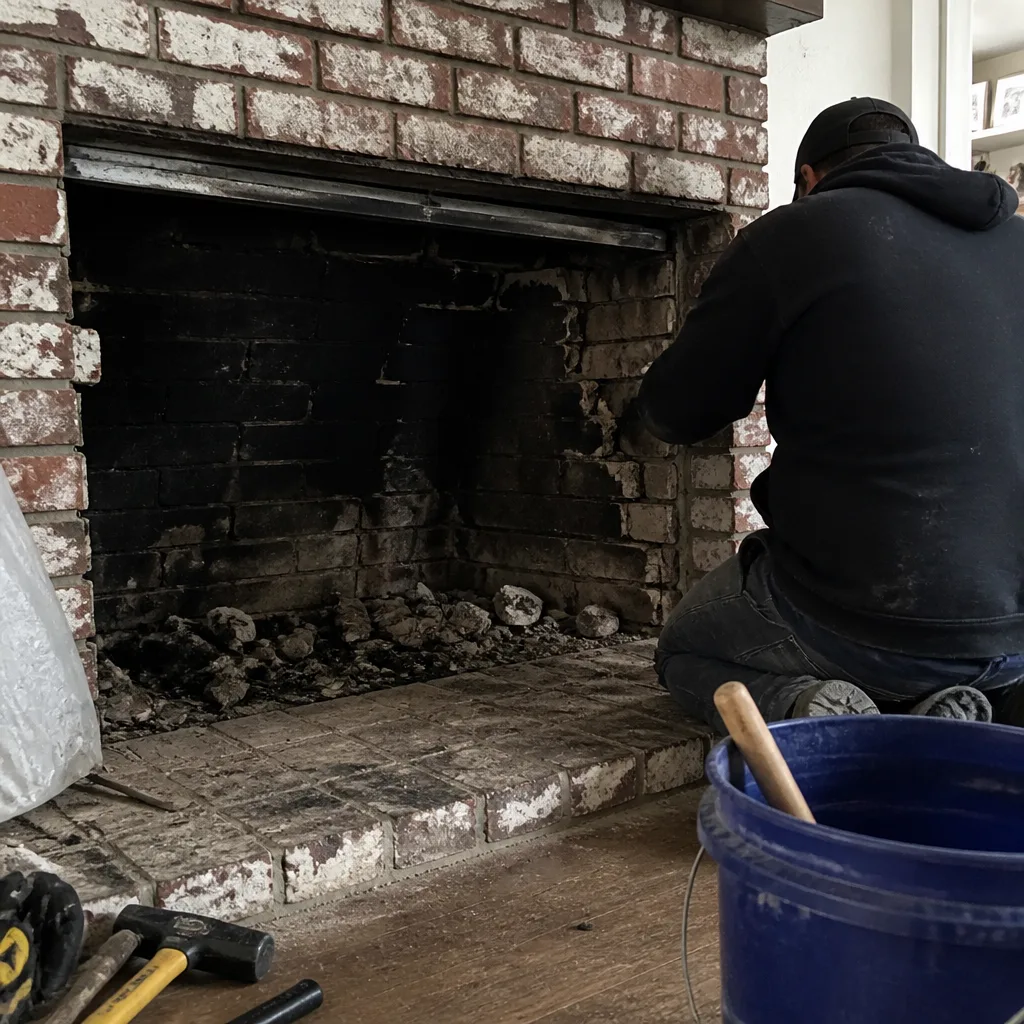 Before
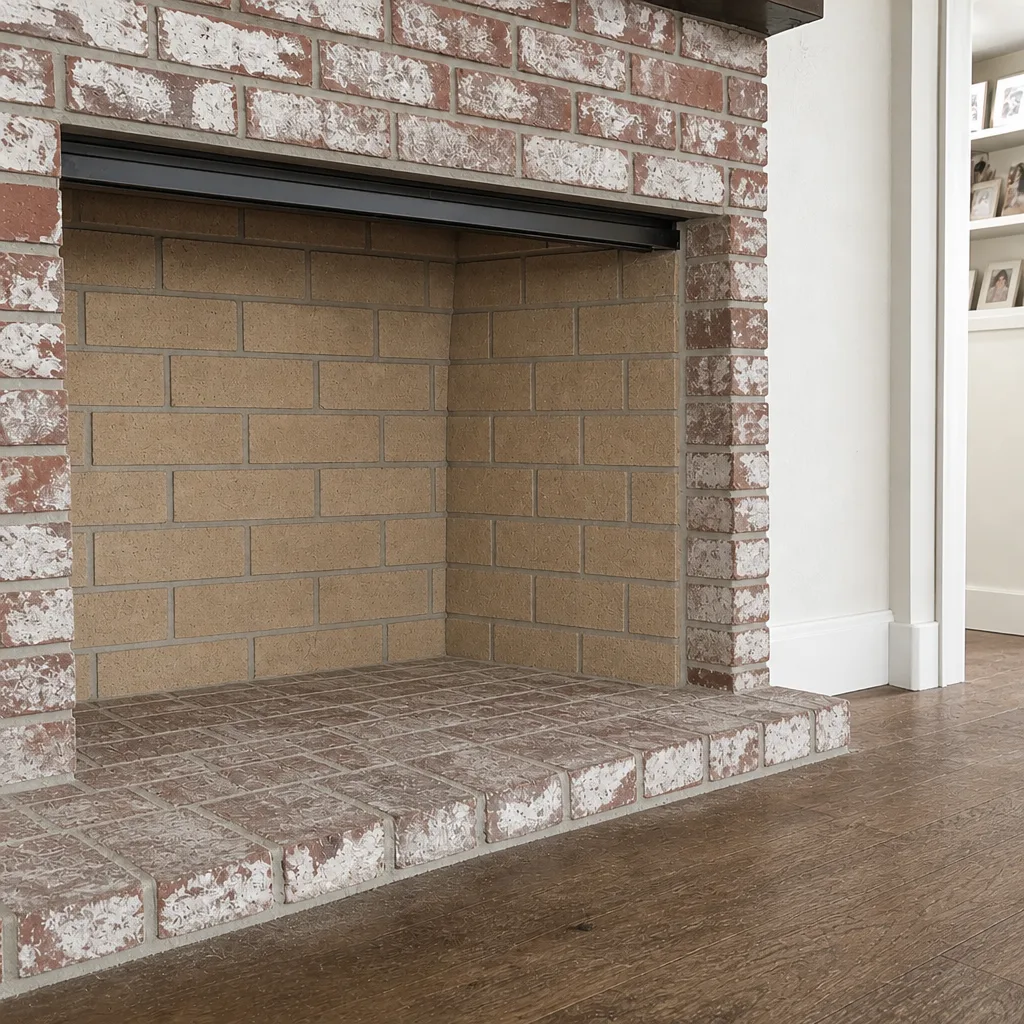 After
 Before
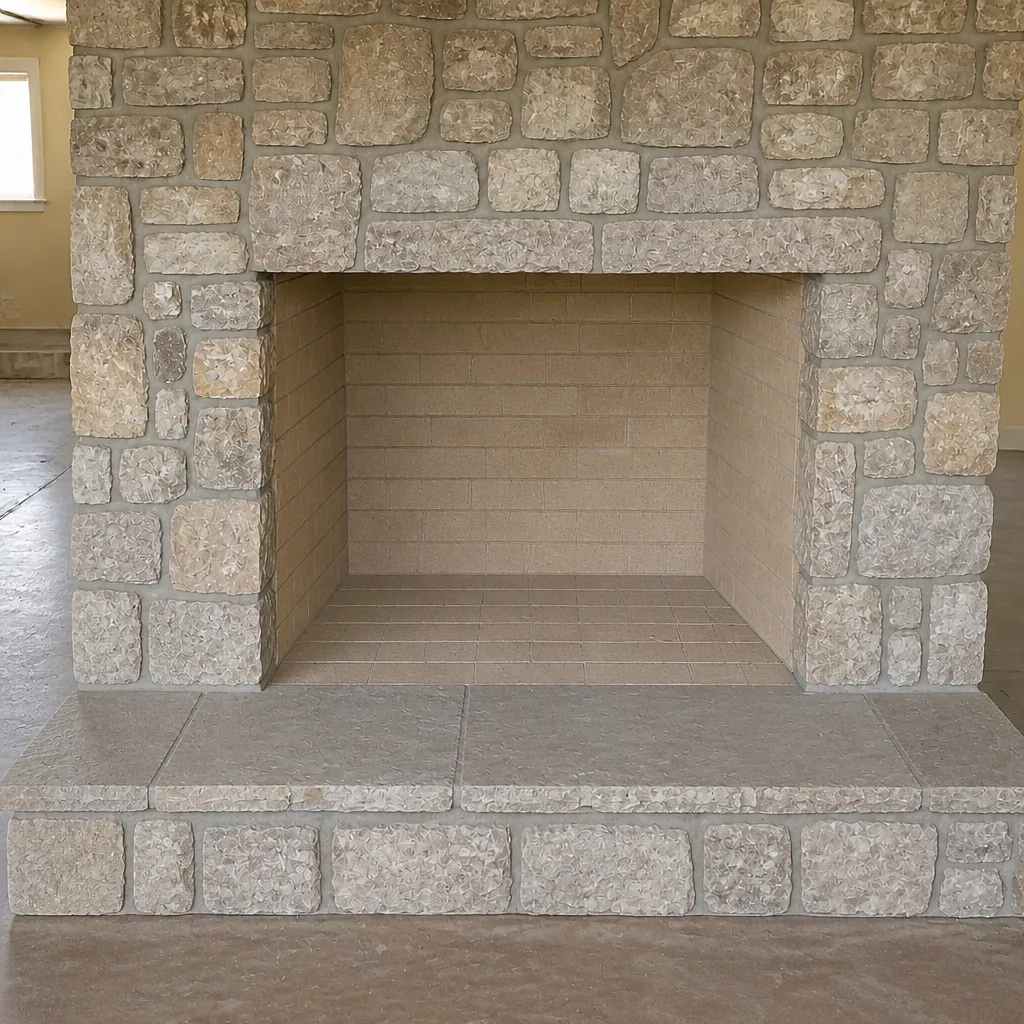 After
Do different chimney conditions need different products? A quick reference
Yes. The condition on your flue drives the product, not the other way around. This quick reference shows the main cases.
- Light, powdery creosote: standard brushing is usually sufficient, and the “product” is mostly the brush and the technique.
- Glazed or heavy creosote: a professional treatment may be needed to break down the glaze before brushing. Application skill matters.
- Older masonry flue with a cracked liner: a ceramic resurfacing system such as HeatShield can restore the lining without demolition, in the right conditions.
- Failing or missing liner: a stainless liner system, such as DuraFlex, is typically specified, and the installation has to be correct.
- Cracked crown or failing cap: crown sealers and manufactured components from professional brands, matched to the size and style of the chimney.
The right product is the one that matches the actual condition, verified by a camera inspection. In our experience, the biggest source of chimney work that fails early is a product applied to the wrong problem.
Common Mistakes to Avoid
- Assuming a chimney sweep is a chimney sweep. Sweeping is the entry point; product selection is the craft. A general handyman with a brush isn’t the same as a chimney specialist who can spec the right materials. Ask what they’re using and why.
- Letting a contractor choose products based on what’s in the truck. The product should match your flue, not their inventory. A specialist will source what the job calls for.
- Trusting out-of-state product advice. California VOC rules mean some products recommended elsewhere aren’t legal here. Check compliance before assuming a product is available.
- Skipping the inspection and going straight to a sweep or repair. You can’t select the right product without knowing the condition. Insist on a camera inspection and photo report before any product is applied.
- Choosing on price alone when the products differ. Two bids with different products aren’t really comparable on price. Compare the materials as well as the number.
- Letting a cheap sealer or treatment go on a flue that needs a real system. A short-term fix applied to a long-term problem costs more when it fails. Ask whether the recommendation is a repair or a delay.
- Not asking about warranty and follow-up. A product that fails early should be backed by both the manufacturer and the company that applied it. If nobody will stand behind it, find someone who will.
When to Call a Professional
Some chimney conditions are safe to watch, and some need a trained eye. Call a professional when you see or smell any of the following: strong creosote odor in the room, visible smoke coming back into the house, a cracked or spalling crown, water staining inside the firebox, a cap that’s loose or missing, or a flue with no visible liner. These are all signals that a chimney should be inspected before the next burn season. Given that creosote buildup is the main driver of chimney fires and that blocked flues can push carbon monoxide back into the room, this isn’t work to postpone without a reason. Chimney Sweep Park Santiago offers free estimates in Park Santiago – call (855) 957-4437. We answer 24/7. Fast dispatch from 7am to 7pm, Sunday through Friday.
Frequently Asked Questions
Yes. In our experience, the product choice is one of the biggest factors in how long chimney work lasts. A professional-grade creosote treatment, crown sealer, or liner system is engineered for the temperature and exposure conditions a chimney sees, while a consumer substitute often fails within a few seasons. That’s why we spec products from recognized brands rather than general-purpose substitutes.
It means the product carries defined temperature ratings for the application, meets California VOC compliance standards, and is tested against recognized ASTM standards where those apply. Professional-grade products come with spec sheets and clear manufacturer support. A product that can’t show you those things is a claim, not a professional material.
No. California limits the volatile organic compound content of many sealants and coatings, so some products sold nationally don’t meet California standards. A contractor working in Park Santiago needs to source compliant materials. That’s one of the reasons we work with professional brands that publish compliance data.
HeatShield is a ceramic resurfacing system used to restore an aging flue lining without demolition, applied by a trained technician. DuraFlex is a stainless steel liner system used when the flue needs a new liner installed. The right choice depends on the condition of the original flue, and the decision should be made after a camera inspection. Both are professional systems in our lineup.
Products that require trained application, such as ceramic resurfacing and liner systems, should be installed by a specialist. General handymen typically don’t stock or spec these systems. Even products where brand matters more than application still need correct installation. We recommend working with a chimney-only specialist for anything beyond a basic sweep.
Ask which products they’ll use, whether the products are rated for the application, whether they’re compliant with California standards, and how long the products are expected to last. Ask about warranty and about the inspection and photo report. In our experience, the contractors worth hiring answer those questions with specifics. Call (855) 957-4437 for a free estimate – we’re glad to walk through what your chimney needs.
The Bottom Line
The brand of product used in chimney work is not a marketing detail; it’s a performance choice that shows up in how long a repair or cleaning benefit lasts. In Park Santiago, that means professional-tier materials from brands like DuraFlex, HeatShield, Olympia Chimney, and the other pro suppliers chimney specialists source directly, matched to the condition of the flue and compliant with California requirements. You don’t need to become a product expert. You do need to ask what’s going on your chimney, listen for a specific answer, and choose a contractor who treats product selection as part of the trade. That’s the whole guide in one sentence, and it’s the reason our approach at Chimney Sweep Park Santiago is to inspect first, then spec the product to the problem, with a photo report you can review before anything is booked.
If you want a straight answer about what your chimney actually needs, start with an inspection. Call (855) 957-4437 for a free estimate. We answer 24/7. Fast dispatch from 7am to 7pm, Sunday through Friday. Our technicians have up to 8 years of experience, and we’ll tell you when work can safely wait.
Written by the team at Chimney Sweep Park Santiago.