
Last updated November 25, 2026
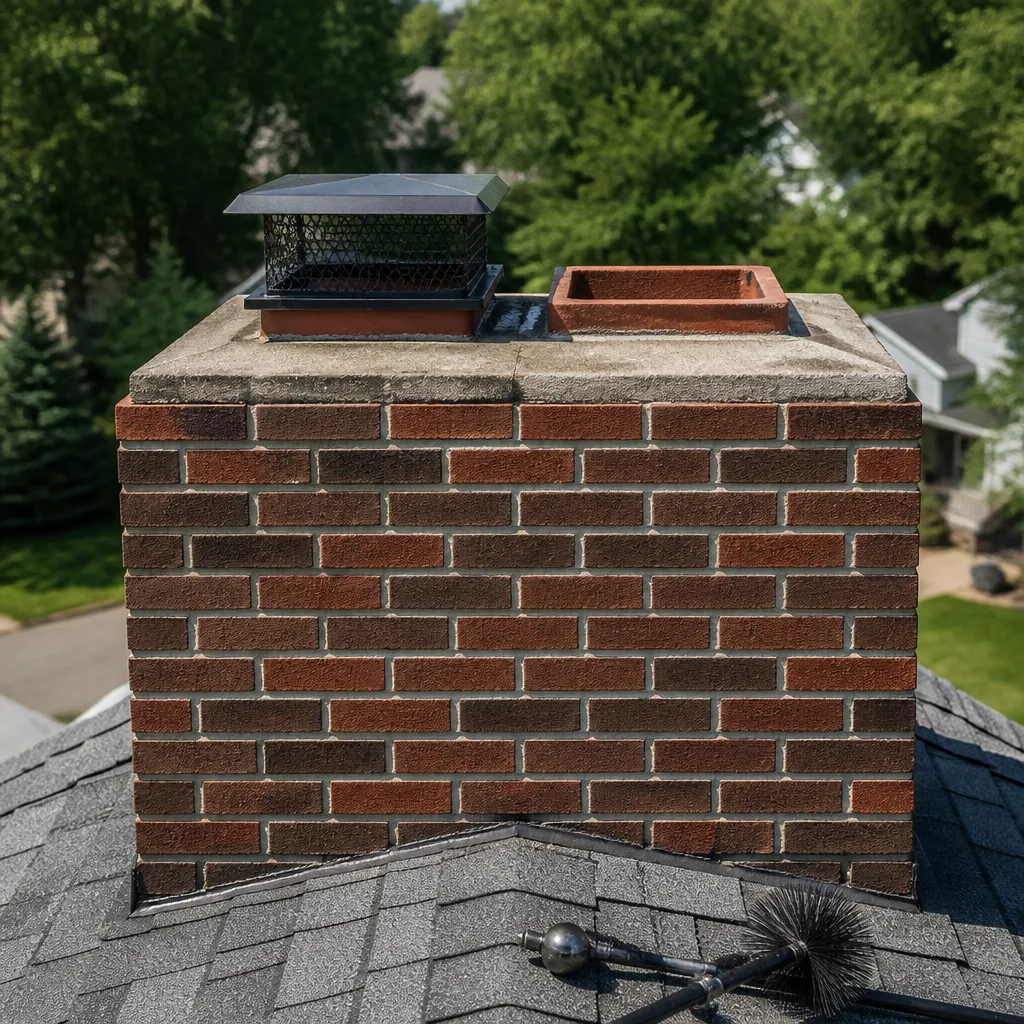 Sweep & inspection
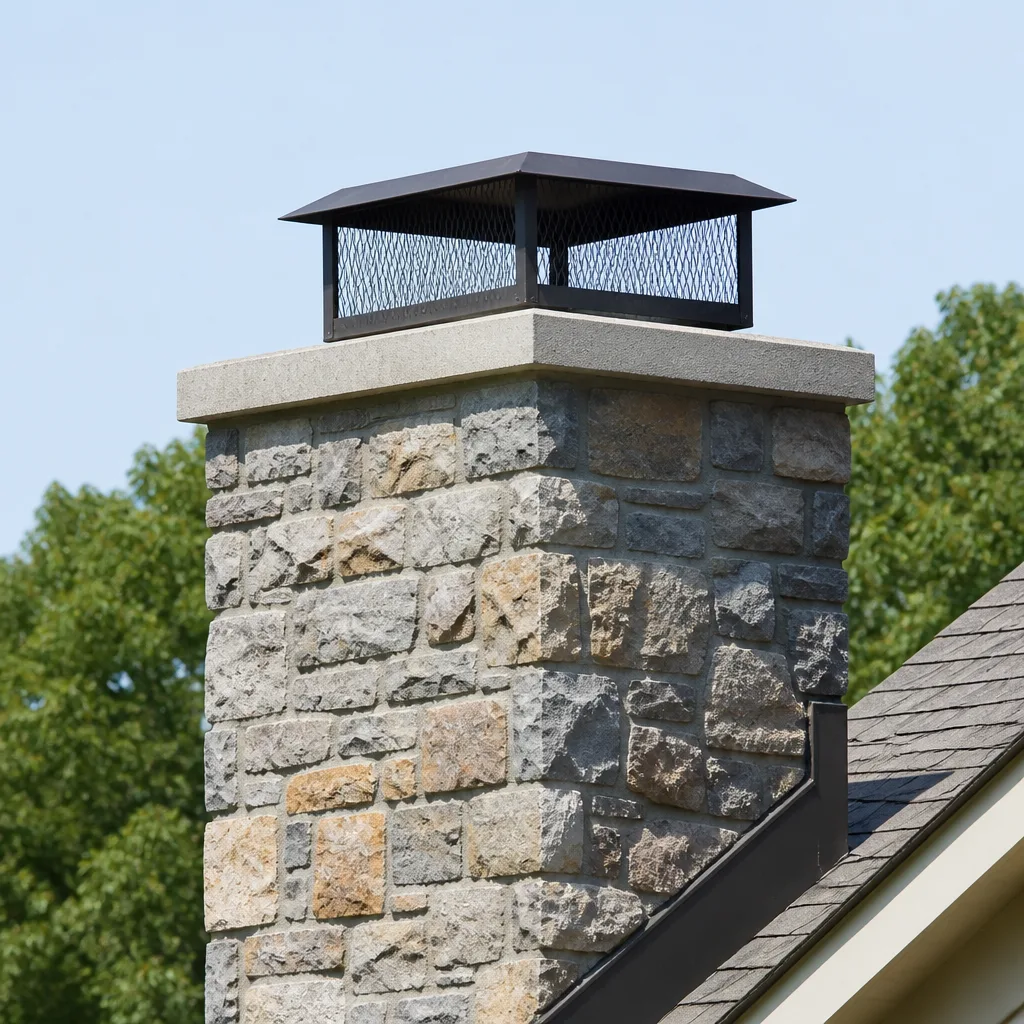 Caps & crowns
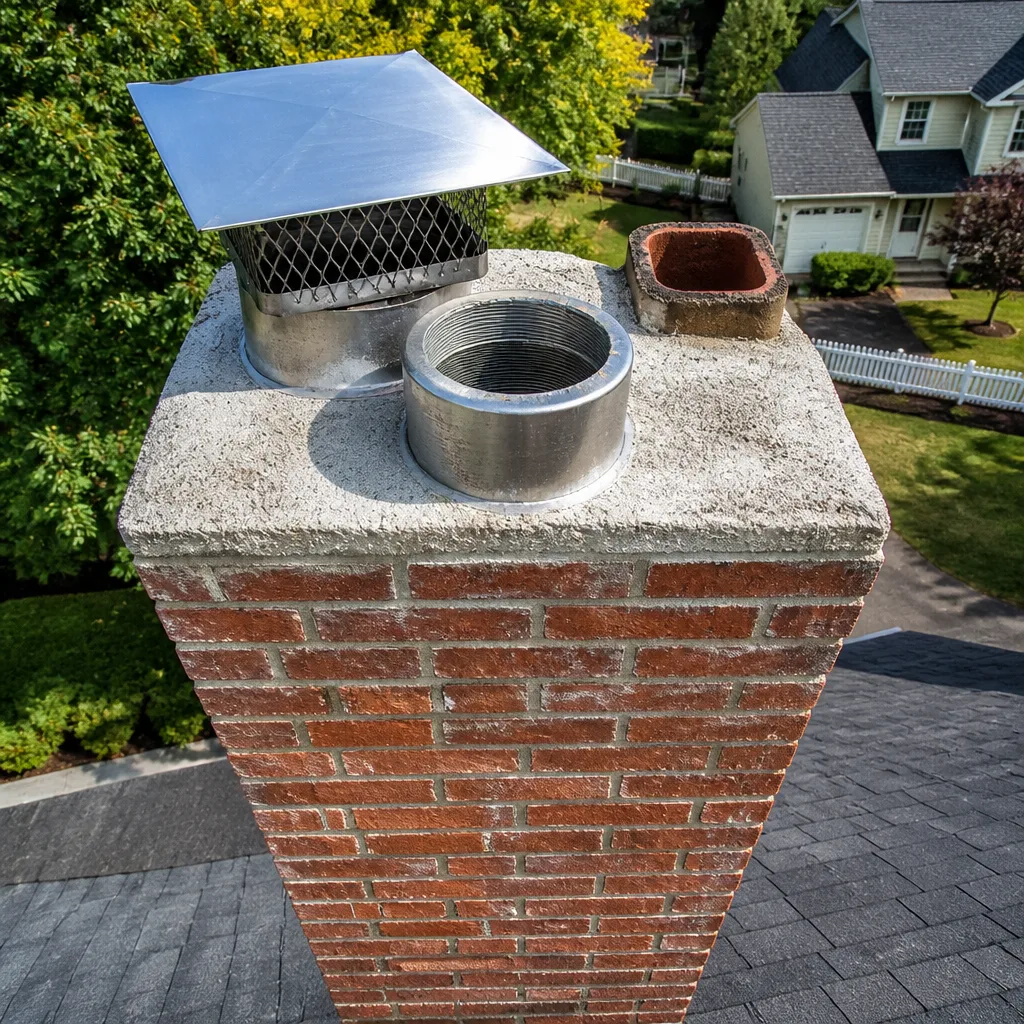 Flue relining
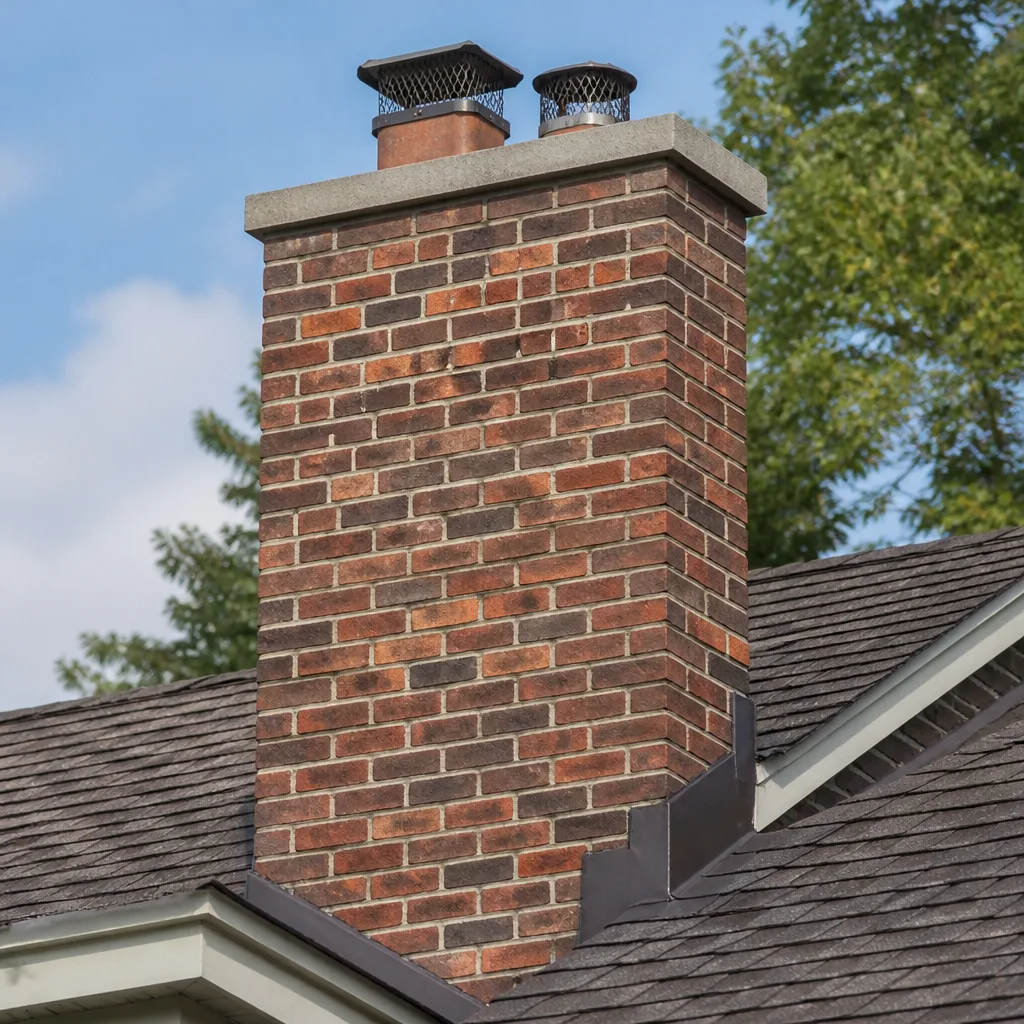 Masonry repair
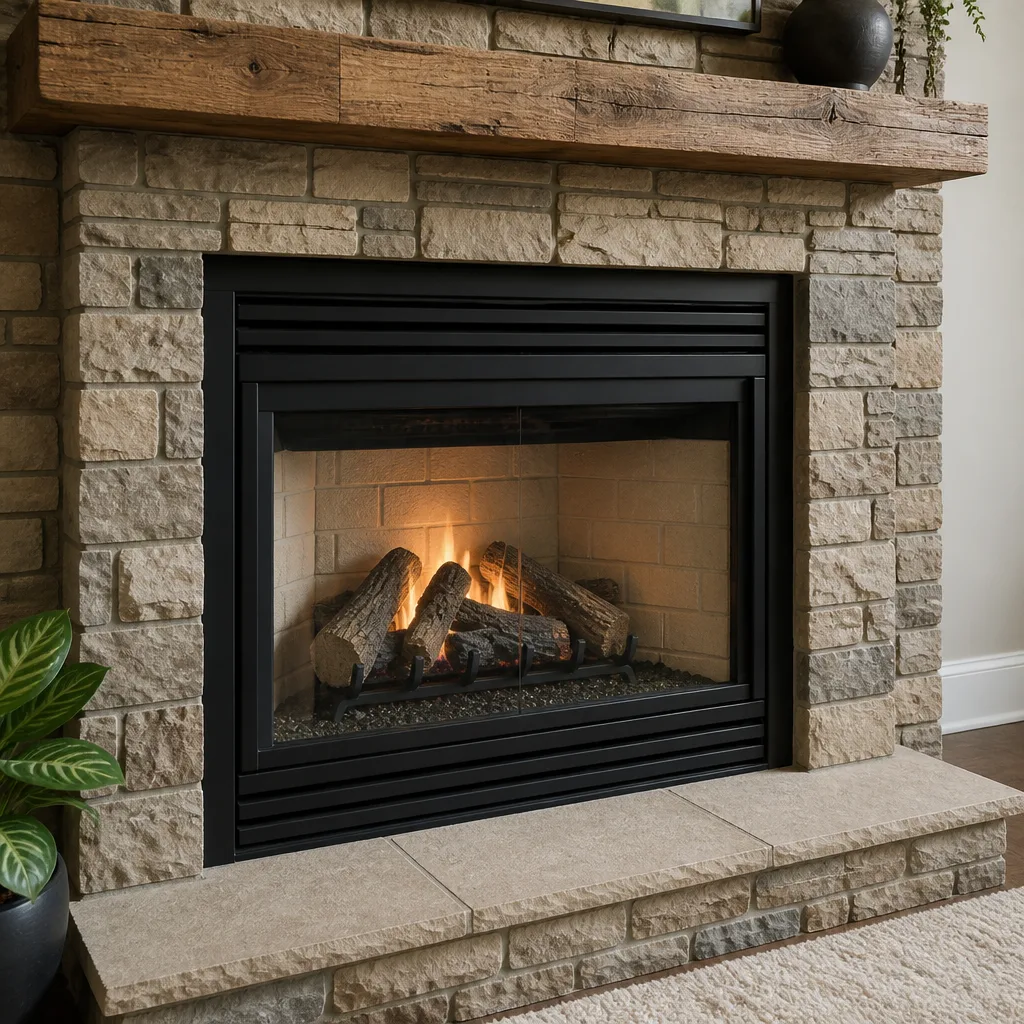 Gas fireplace service
Level 1 sweep and inspection to the NFPA 211 annual standard - flue, crown, cap, and flashing checked and photographed
Chimney sweep logs do not sweep chimneys. They loosen some creosote - which then falls where a brush and vacuum still have to collect it.
Chimney Cleaning Cost Breakdown: The Park Santiago Homeowner’s Reference for 2026
A $79 chimney cleaning and a $299 chimney cleaning can both be fair prices, and either one can be a rip-off. The difference isn’t the number. It’s what each quote actually includes, and most homeowners have no framework for telling them apart. In Park Santiago, we see this confusion constantly: two bids for the same fireplace, hundreds of dollars apart, and no way to know which one is honest. This reference breaks down chimney pricing by service type, explains what drives the variation, and gives you the vocabulary to compare quotes line by line. By the end, you’ll know exactly what you’re paying for.
Quick Answer
A standard chimney sweep in Park Santiago typically runs $150 to $300 for a wood-burning fireplace, a Level 1 inspection adds $75 to $150, and a Level 2 inspection with a camera usually lands between $150 and $350. Creosote removal beyond a routine sweep, liner resurfacing with HeatShield, and stainless liner installation are priced separately and vary widely with chimney height, flue condition, and access. The written estimate sets the final price on every job.
Styles & brands we work with
- Sweep & inspection
- Caps & crowns
- Flue relining
- Masonry repair
- Gas fireplace service
Table of Contents
- Pricing by Service Type: What Each Line Item Covers
- What Drives Price Variation Within the Same Service
- Legitimately Necessary Add-Ons Versus Rarely Warranted Upsells
- Why Gas Fireplace Cleaning Is Priced Differently
- How to Evaluate a Low-Bid Quote
- The Three Inspection Levels and When Each Applies
- A Step-by-Step Method for Comparing Quotes
Pricing by Service Type: What Each Line Item Covers
Chimney pricing looks inconsistent in Park Santiago because contractors quote fundamentally different scopes under the same label. “Cleaning” can mean a surface brush-down or a full flue scrape with a camera inspection. Knowing the difference is the first step toward an honest comparison.
Here’s how the common line items break down, with typical estimated ranges for the Park Santiago market:
| Service | Typical Estimated Range | What It Usually Includes |
|---|---|---|
| Basic sweep (wood-burning) | $150 – $300 | Brush and vacuum of flue and firebox, removal of soot and light creosote, visual check |
| Gas fireplace cleaning | $125 – $250 | Log and burner cleaning, pilot and venting check, no creosote scraping |
| Level 1 inspection | $75 – $150 | Visual check of accessible flue and firebox, no camera |
| Level 2 inspection | $150 – $350 | Camera inspection of the flue, photo report, attic and crawlspace check where accessible |
| Level 3 inspection | $400 and up | Invasive access (removing panels or masonry) when conditions demand it |
| Creosote removal (beyond routine) | $250 – $600+ | Chemical treatment or mechanical scraping for heavy glazed creosote |
| HeatShield liner resurfacing | $1,200 – $2,500 | Ceramic resurfacing of an aging clay flue without full demolition |
| DuraFlex stainless liner installation | $2,500 – $5,500 | New insulated stainless liner sized to the appliance |
Those ranges are estimates, not quotes. A Park Santiago home with a tall exterior chimney, a tight flue, or heavy buildup will push toward the top or past it. A straightforward single-story interior chimney with light soot sits at the bottom. The written estimate is what actually sets your price, and any contractor who won’t put a line-item breakdown in writing is telling you something already.
The reason this matters: when you understand what a basic chimney sweep actually covers versus what a Level 2 inspection adds, the two quotes in front of you stop looking arbitrary. You can see which one is missing components.
What Drives Price Variation Within the Same Service
Two Park Santiago homes with the same fireplace model can get quotes $100 apart for the “same” sweep, and both can be legitimate. Several physical factors move the price, and none of them are upsells. They’re just the reality of the job.
- Chimney height. A single-story chimney with a straight vertical run takes far less time than a two-story chase with offsets. Roof access, ladder setup, and the length of brush and rod needed all scale with height.
- Liner material. A clay-tile flue brushes differently than a stainless liner. Older unlined flues or those with damaged tile require more careful handling, and stainless liners need the right brush type to avoid scoring.
- Degree of creosote buildup. Light, flaky soot brushes out in a pass or two. Glazed, tar-like creosote (the hard, shiny stage) is a different job entirely and may require chemical treatment before it can be safely removed. Creosote is the reason chimney fires happen, so this isn’t cosmetic.
- Accessibility. A fireplace set into an exterior wall with a blocked damper, a tight firebox, or a roof that’s steep or hard to reach adds time and equipment. So does a chimney that’s been capped or screened in a way that needs careful removal and reinstallation.
- Condition discovered mid-job. A cracked flue tile, a failed crown, or a separated cap can turn a routine sweep into a repair conversation. The inspection is what surfaces it, and the estimate for any repair should be its own line item.
In our experience, the biggest driver of surprise cost in Park Santiago is creosote stage, not chimney size. Homeowners who burn seasoned hardwood and get swept on a regular schedule rarely see the top of the range. Homes that have gone several seasons without a sweep, or that burn green or soft wood, often do.
Legitimately Necessary Add-Ons Versus Rarely Warranted Upsells
This is where a lot of money gets spent badly. Some add-ons are genuinely necessary for safety and function. Others get tacked onto a sweep because the homeowner doesn’t know enough to say no. Here’s how we separate them.
Usually legitimate:
- A chimney inspection when you’ve never had one, when you’ve moved into a home with an unknown chimney, or after a chimney fire or seismic event. An honest condition report before you commit to repairs is worth the cost.
- A camera (Level 2) inspection when there’s a known issue, a recent home purchase, or a change to the heating appliance. You can’t assess a flue you can’t see.
- Cap and crown work when the existing cap is damaged, missing, or the crown is cracked. A cracked crown lets water into the masonry, and water damage is expensive to fix later. This is a real repair, not a luxury.
- Liner repair or resurfacing when the flue lining is compromised. HeatShield ceramic resurfacing is often the right call for an aging clay flue that doesn’t need full stainless replacement, and it’s genuinely less invasive.
Rarely warranted without evidence:
- Full liner replacement quoted before anyone has run a camera. You can’t know a liner is failed without seeing it, and you should see the footage yourself.
- Chemical creosote treatment on a flue that’s already been swept and shows light soot. Treatment is for the glazed stage, not routine maintenance.
- “Sealing” packages pitched for every chimney regardless of condition. If the masonry is sound and the crown is intact, there’s nothing to seal.
- Repairs quoted as urgent when the inspection shows the condition is stable. Ask plainly: can this safely wait until the next season? Sometimes the honest answer is yes.
The rule we work by: nothing gets recommended without camera evidence you can see for yourself. If a contractor can’t show you the problem, you don’t have to pay to fix it.
Why Gas Fireplace Cleaning Is Priced Differently
Gas fireplaces don’t produce creosote, so the cleaning scope is genuinely smaller and the price reflects it. But that doesn’t mean there’s nothing to do, and it doesn’t mean a gas fireplace can be ignored.
A wood-burning sweep is mostly about removing creosote and soot from the flue and firebox, then checking the liner and cap. Creosote removal is the labor-intensive part, and it’s why wood sweeps price higher. A gas fireplace runs on a sealed burner and vented flue, so the flue itself stays much cleaner. The work shifts to the appliance:
- Cleaning the ceramic logs, burner ports, and glass so the flame burns correctly and cleanly.
- Checking the pilot assembly and burner operation.
- Verifying the venting is clear and drafting properly.
- Looking for signs of incomplete combustion, which is a carbon monoxide concern, not a soot concern.
That’s a different skill set, and it’s why a general handyman shouldn’t be the one looking at it. Carbon monoxide is odorless and the symptoms are easy to miss, so a gas appliance that’s burning wrong is a genuine safety issue, not a maintenance item. Our technicians have up to 8 years of experience with both wood and gas systems, and the gas work is a diagnostic and cleaning task, not a resurfacing one.
Because gas fireplaces accumulate soot more slowly, they typically need cleaning less often than wood-burning fireplaces. If you have a wood-burning fireplace in Park Santiago and want to know what a fireplace repair or cleaning might involve for your specific setup, that’s a separate conversation from a routine sweep.
How to Evaluate a Low-Bid Quote
A low bid is only a bargain if it covers what needs to be done. The way to tell is to read the scope, not the price. Here’s what a suspiciously low quote usually leaves out, and what a higher, honest bid should include to justify the difference.
What a low bid often omits:
- Any inspection at all, or a “free inspection” that’s really just a sales visit with no camera and no written report.
- Creosote removal beyond a light surface brush, with the heavy stage left in place or treated as a surprise add-on later.
- A cap or crown check, and any mention of the chimney’s exterior condition.
- Verification of the liner and the flue’s structural integrity.
- Cleanup and containment, which matters if the work is inside the home.
What a credible higher bid should include:
- A written scope that names each service: sweep, inspection level, and any repairs as separate line items.
- A camera inspection with photos you can review, not a verbal assurance.
- A clear statement of what’s included and what’s not, including what happens if the inspection finds a problem.
- A price that’s per job by written estimate, with no mystery fees added afterward.
- Professional-grade materials named specifically when repairs are involved, not “premium materials” as a vague claim.
The gap between a thin bid and a thorough one is often the inspection and the honesty about what was found. A higher bid that shows you the flue on camera and tells you plainly when a repair can wait is worth more than a low bid that leaves you guessing.
The Three Inspection Levels and When Each Applies
Chimney inspections aren’t one thing. The industry recognizes three levels, and which one you need determines a big chunk of your total cost. Knowing the difference keeps you from overpaying for a Level 3 you don’t need, or underpaying for a Level 1 that misses a real problem.
- Level 1: Visual inspection. A check of all readily accessible parts of the chimney and firebox with no camera and no tools that require access beyond the normal opening. It’s appropriate for a chimney that’s in routine use, has been maintained, and shows no signs of trouble. This is the least expensive level and often bundled with a sweep.
- Level 2: Camera inspection. Everything in a Level 1 plus a video scan of the flue, with access to attics, crawlspaces, and other accessible areas. It’s the right call for a home purchase, after a chimney fire, when changing the appliance or fuel type, or when there’s a known or suspected problem. You get photos you can keep.
- Level 3: Invasive inspection. When conditions require access that can’t be reached otherwise, such as removing a panel or opening masonry. It’s reserved for specific suspected problems and is the most expensive. It should never be quoted as a default.
For most Park Santiago homeowners with a working fireplace, a sweep paired with a Level 1 inspection covers routine maintenance. A Level 2 makes sense when you’re new to the house or something doesn’t look right. If someone quotes a Level 3 on a first visit, ask why and ask to see what prompted it.
A Step-by-Step Method for Comparing Quotes
Comparing chimney quotes is easier once you stop comparing the totals and start comparing the scopes. Here’s a method that works for any Park Santiago bid, whether it’s for a sweep, a chimney cap & crown repair, or a liner job.
- Get everything in writing. A verbal quote isn’t a quote. Ask for a written estimate that lists each service separately.
- Match the scope line by line. Put two bids side by side and check whether each names a sweep, an inspection level, and any repairs as separate items. If one bid is missing a line, it’s not a cheaper version of the same job, it’s a different job.
- Ask what inspection level is included and whether a camera is used. A bid without a camera isn’t comparable to one with a Level 2 inspection.
- Ask for the photo report. Any credible bid that includes an inspection should come with photos. If a contractor won’t share them, that’s a signal.
- Ask what happens if the inspection finds a problem. The right answer is that you get a separate, written estimate you can accept or decline, not a pressure pitch.
- Check the materials named for any repair. Brands like DuraFlex for stainless liners and HeatShield for ceramic resurfacing are professional-tier products, and a serious bid will name them. Vague “quality materials” language doesn’t tell you what’s going in your chimney.
- Confirm the estimate is a flat price agreed before booking. The written estimate sets the final price, and you shouldn’t be surprised by a different number on the invoice.
When you line bids up this way, the low bid and the high bid usually stop being mysterious. One covered less. The other covered the whole chimney system, and you can see exactly where the money went. We work on the whole chimney system, not just the flue, so an inspection from us reflects the cap, crown, and masonry as well as the inside of the flue.
If you’re not sure which of your two quotes is the honest one, call us and we’ll talk through the scope on each. We answer 24/7. Fast dispatch from 7am to 7pm, Sunday through Friday.
Common Mistakes to Avoid
- Choosing a bid by price alone. The cheapest sweep in Park Santiago can hide a missing inspection or a neglected creosote stage. Compare scopes, not totals. A fair price that covers the whole job is better value than a low price that doesn’t.
- Skipping the inspection because the sweep was “fine.” A sweep can’t tell you the condition of the liner, cap, or crown. An inspection is a standalone service, not an add-on, and it’s the only way to know whether a repair is actually needed.
- Assuming the camera isn’t necessary. If a contractor quotes a full liner replacement without running a camera, ask to see the footage. You can’t assess a flue you can’t see, and a problem that isn’t visible in photos isn’t proven.
- Treating glazed creosote as a routine sweep. Heavily glazed creosote is a fire hazard and needs targeted treatment, not a quick brush. If a quote doesn’t distinguish between light soot and glazed creosote, it may be underestimating the job.
- Ignoring the exterior. A cracked crown or a damaged cap lets water into the chimney, and water damage compounds. Cap and crown work is often the least expensive repair on the list and the most expensive to defer.
- Letting a gas appliance get looked at by a generalist. Gas fireplace cleaning and venting checks involve combustion safety and carbon monoxide risk. Use someone who works on chimneys specifically, not a handyman adding it to a list.
- Paying for a “sealing” package with no problem to seal. If your masonry is sound and your crown is intact, there’s nothing to seal. Ask what condition the add-on is addressing before you pay for it.
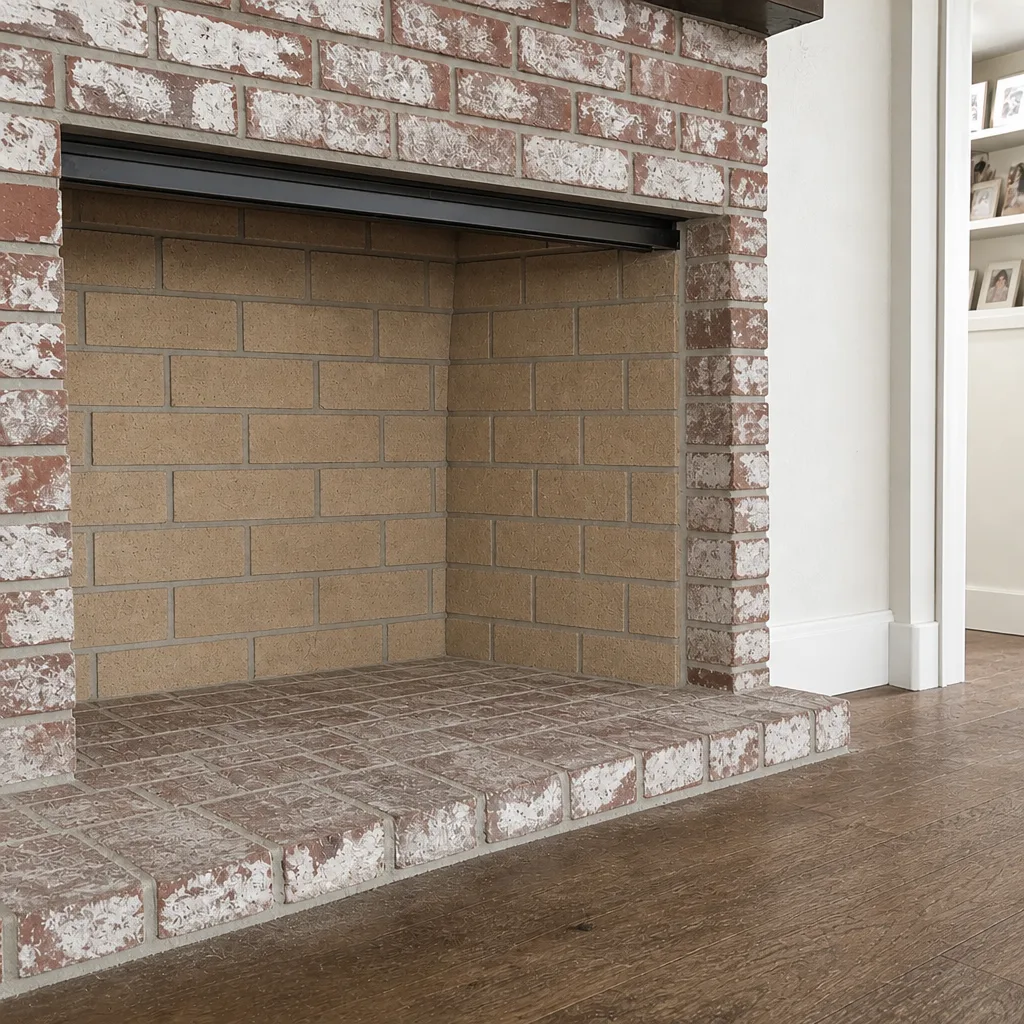
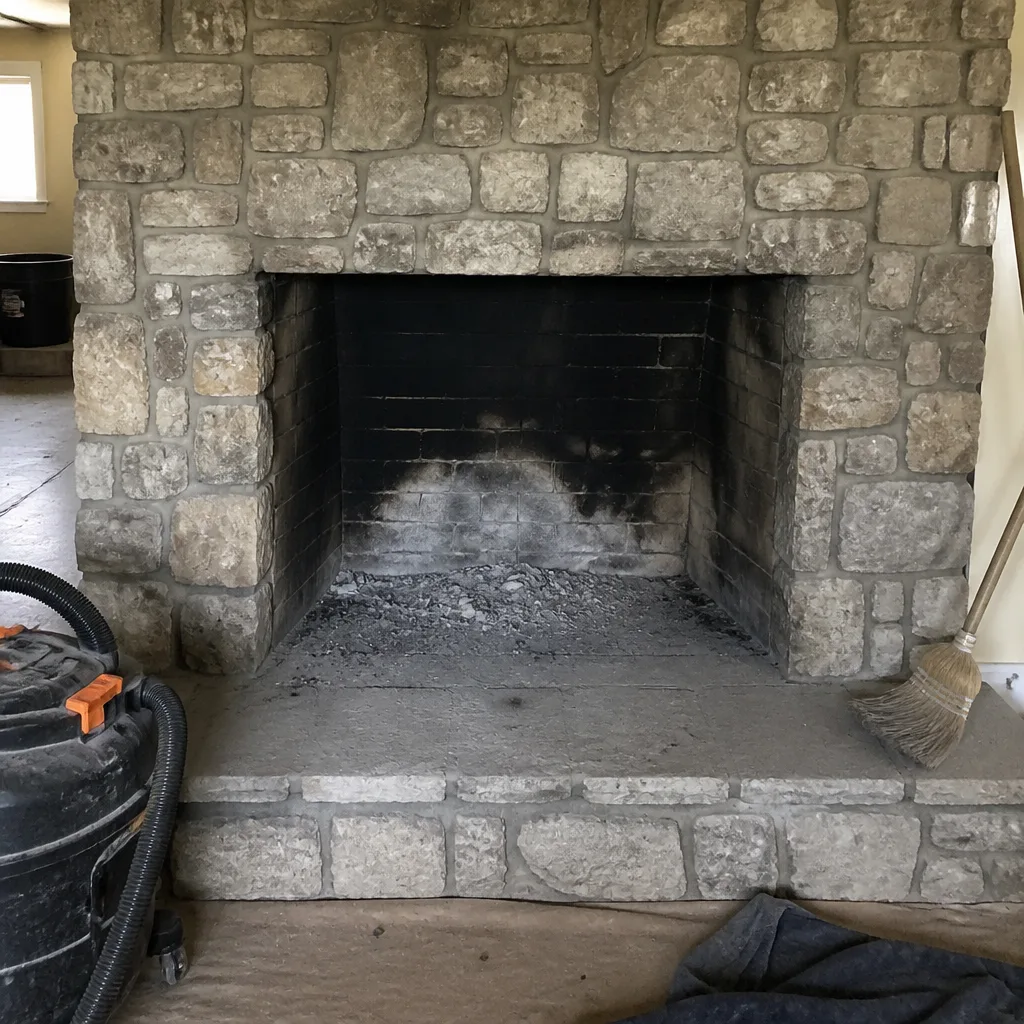
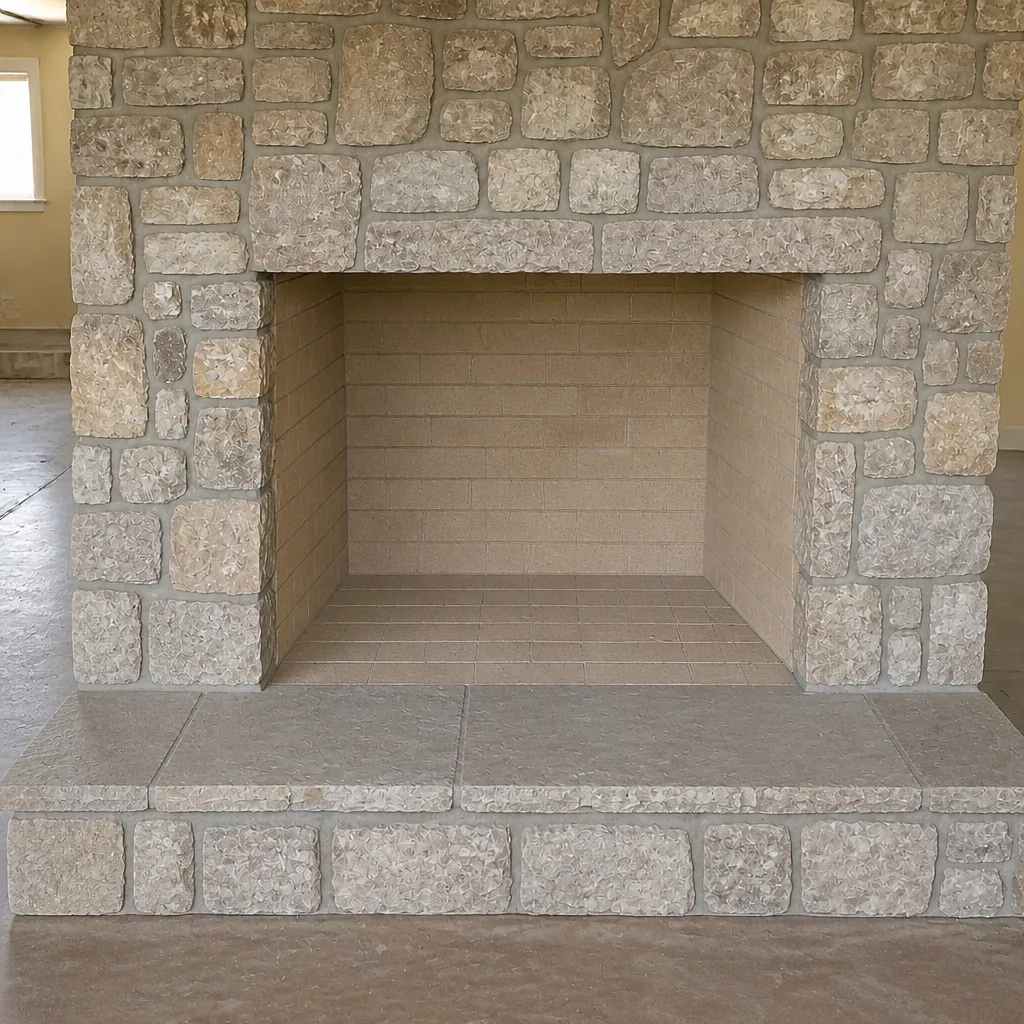
See the difference
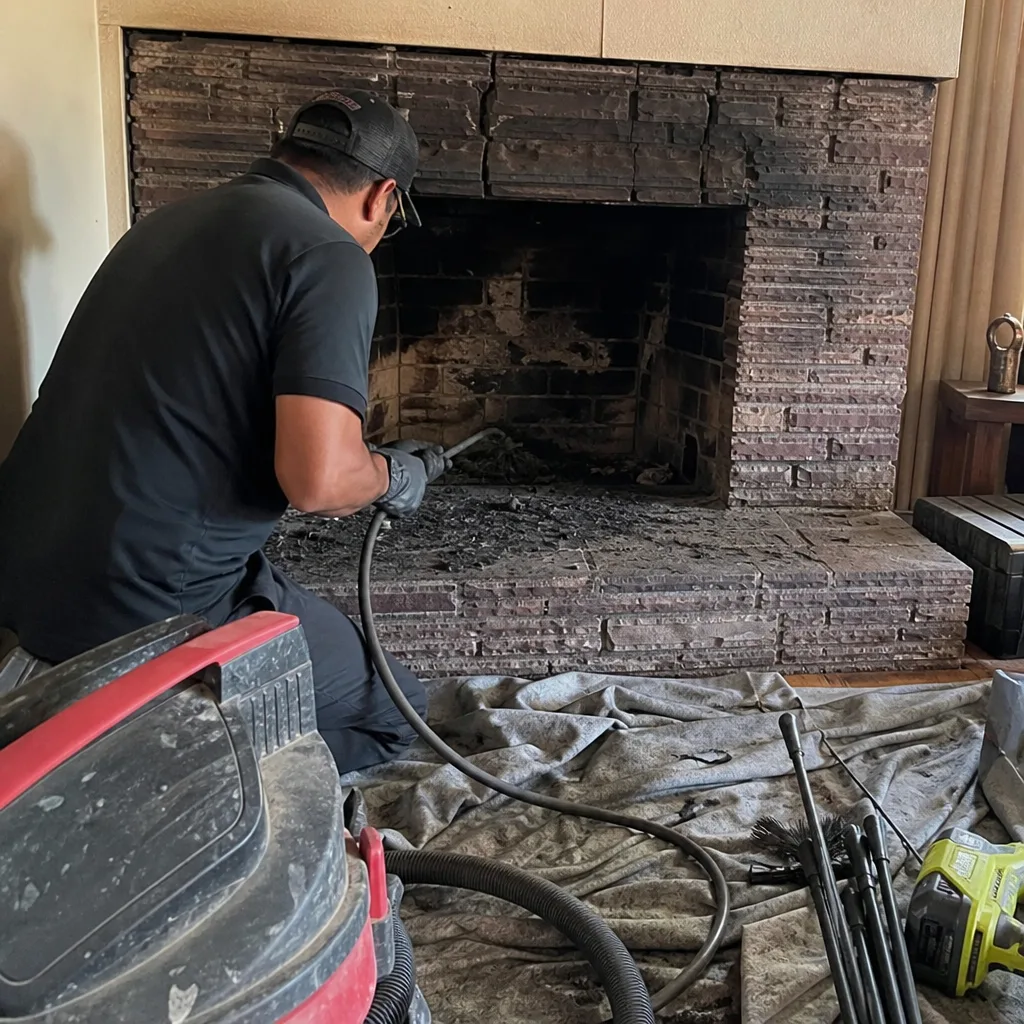 Before
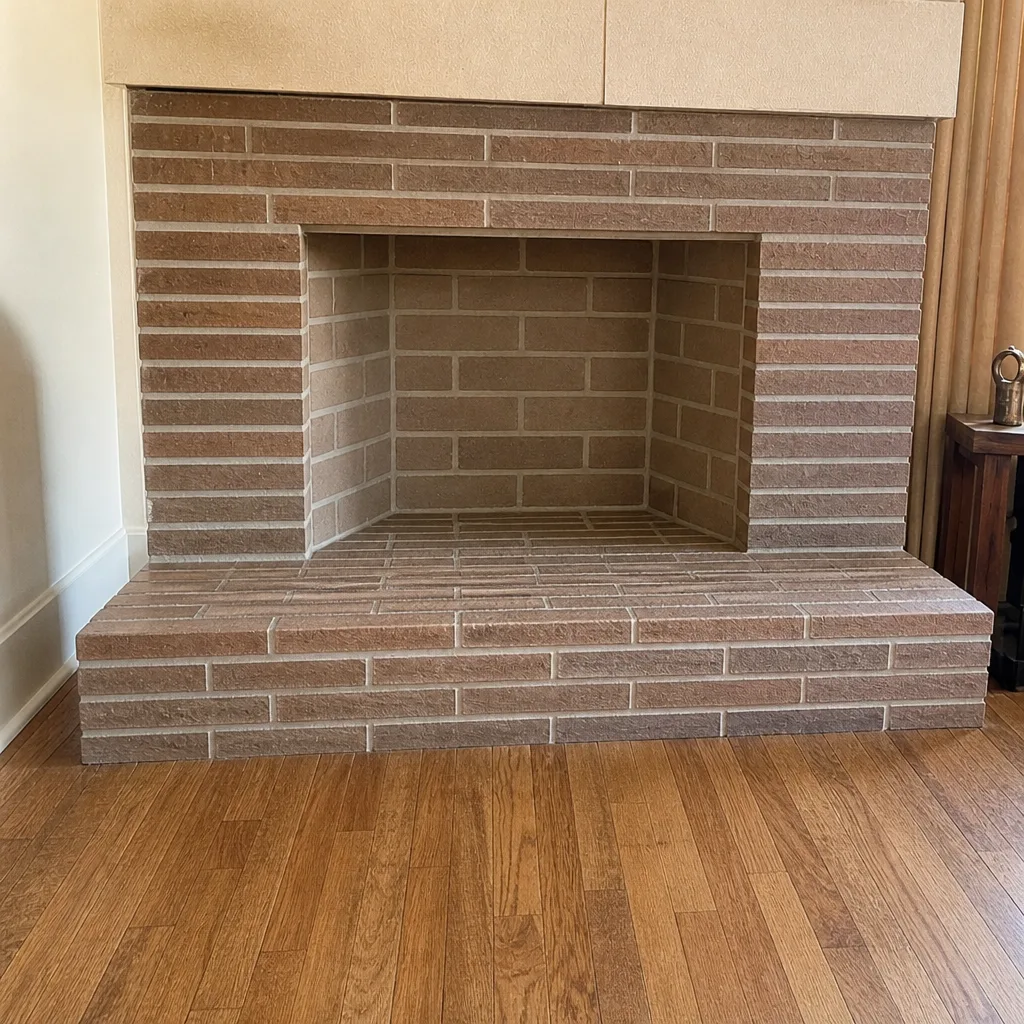 After
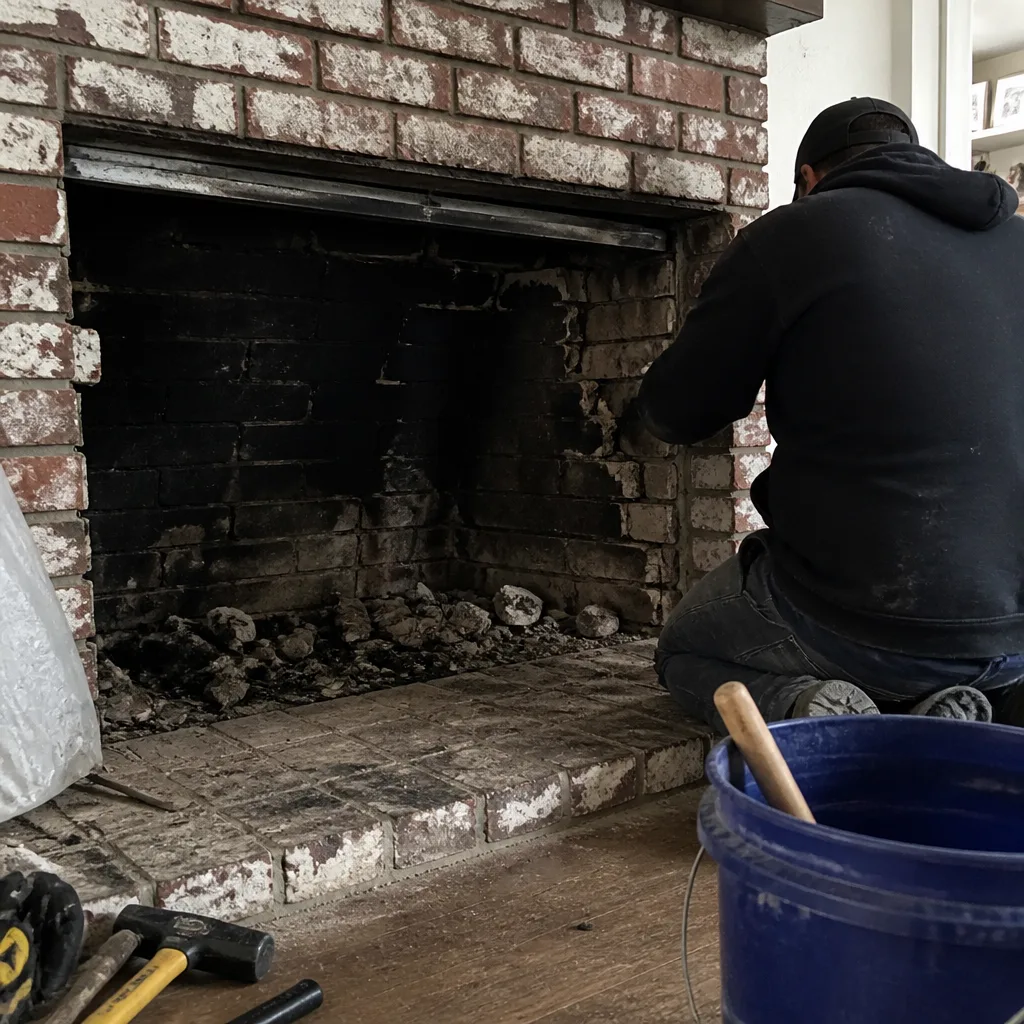 Before
 After
 Before
 After
When to Call a Professional
Some chimney jobs are routine, and some need a trained eye before anything else. Call a professional if you notice a strong, tar-like smell, see soot falling into the firebox, hear a rumbling or popping noise during a fire, or find smoke backing into the room when the fireplace is lit. Call if you’ve moved into a home with an unknown chimney history, if the exterior crown or cap looks cracked or missing, or if you’ve never had the flue inspected. Don’t diagnose a liner or crown problem yourself: high-tension components and masonry work carry real risk, and a trained technician should handle both. Chimney Sweep Park Santiago offers free estimates in Park Santiago. Call (855) 957-4437. We answer 24/7, with fast dispatch from 7am to 7pm, Sunday through Friday. One specialist for sweep, repair, liner, cap, and crown.
Frequently Asked Questions
A basic chimney sweep in Park Santiago typically runs $150 to $300 for a wood-burning fireplace, depending on chimney height, liner material, and how much creosote has built up. Gas fireplace cleaning usually lands between $125 and $250 because the scope is smaller. Call (855) 957-4437 for an exact quote. Estimates are free.
Only if the inspection shows your existing liner is compromised, and you should be able to see that evidence on camera before you commit. A failed lining can let heat and creosote reach the surrounding structure, so the question is worth taking seriously, but a full stainless replacement isn’t always the answer. HeatShield ceramic resurfacing can restore an aging clay flue without demolition, often at significantly less cost. Call (855) 957-4437 and we’ll look at the photos with you.
A wood-burning chimney in regular use is generally swept once a year, and more often if you burn frequently or use softer wood. The honest answer depends on how much you burn and what you burn, which is why an annual inspection paired with the sweep matters. It tells you the actual condition of the flue instead of guessing from the calendar. Call (855) 957-4437 to book an inspection.
Creosote accumulates in the flue every time you burn wood, and at the glazed stage it becomes a genuine fire risk. Skipping the sweep doesn’t stop that buildup; it just means no one is checking it. The flue can also develop cracks you can’t see from the firebox, which is the kind of problem a camera inspection exists to catch. Call (855) 957-4437 if it’s been a while since your last inspection.
It’s a legitimate repair if the inspection shows evidence you can see, such as cracked flue tiles, a failed crown, or a compromised liner. It’s an upsell if the contractor can’t show you the condition in photos or can’t explain why the work can’t safely wait. We don’t recommend anything without camera evidence, and we’ll tell you plainly when a repair can be deferred. Call (855) 957-4437 to review an honest inspection report.
Gas fireplaces don’t generate creosote, so there’s no flue scraping, which is the largest labor cost in a wood-burning sweep. The work shifts to cleaning the logs and burner, checking the pilot, and verifying that venting and combustion are sound, because a gas appliance that burns wrong is a carbon monoxide concern. The scope is smaller but not trivial. Call (855) 957-4437 for an exact quote.
The Bottom Line
Chimney pricing in Park Santiago looks inconsistent because quotes cover different scopes, not because the market is chaotic. The framework that matters is scope: what’s swept, what’s inspected, what’s repaired, and what’s left out. A basic sweep typically runs $150 to $300, a Level 2 inspection $150 to $350, HeatShield resurfacing $1,200 to $2,500, and a DuraFlex stainless liner $2,500 to $5,500, all as estimates set by the written estimate. Compare line items, ask for camera evidence, and treat any add-on without visible proof as a question. When a bid shows you the flue and tells you honestly what can wait, you’ve found an honest one.
Chimney Sweep Park Santiago works on the whole chimney system, from sweep and inspection to cap, crown, fireplace repair, and full chimney repair, with professional-grade materials from brands like HeatShield, DuraFlex, Gelco, Olympia Chimney, Famco, and Copperfield. Call (855) 957-4437 for a free estimate. We answer 24/7. Fast dispatch from 7am to 7pm, Sunday through Friday.
Written by the team at Chimney Sweep Park Santiago.